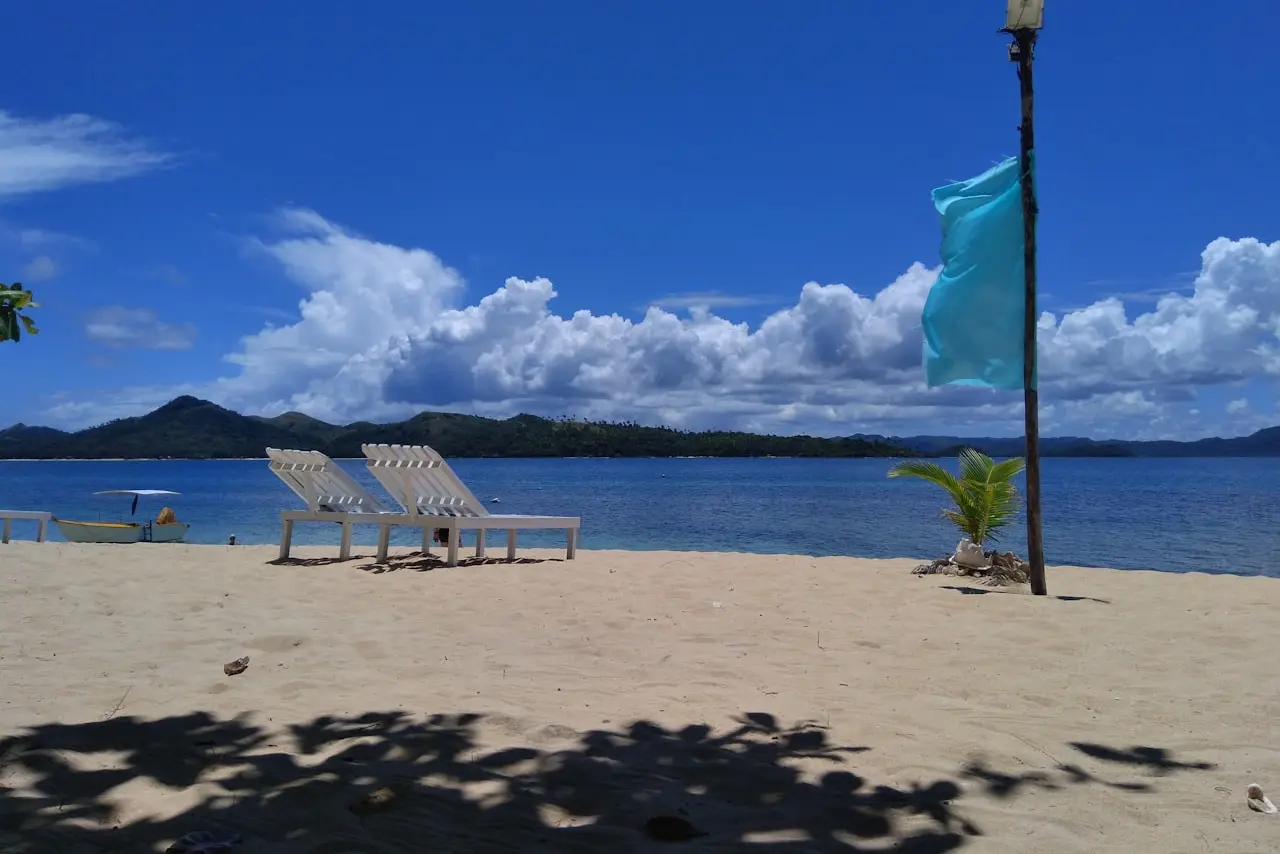
All-inclusive with private beach
Straight into the sea from your own stretch of coast: resorts with a private beach.
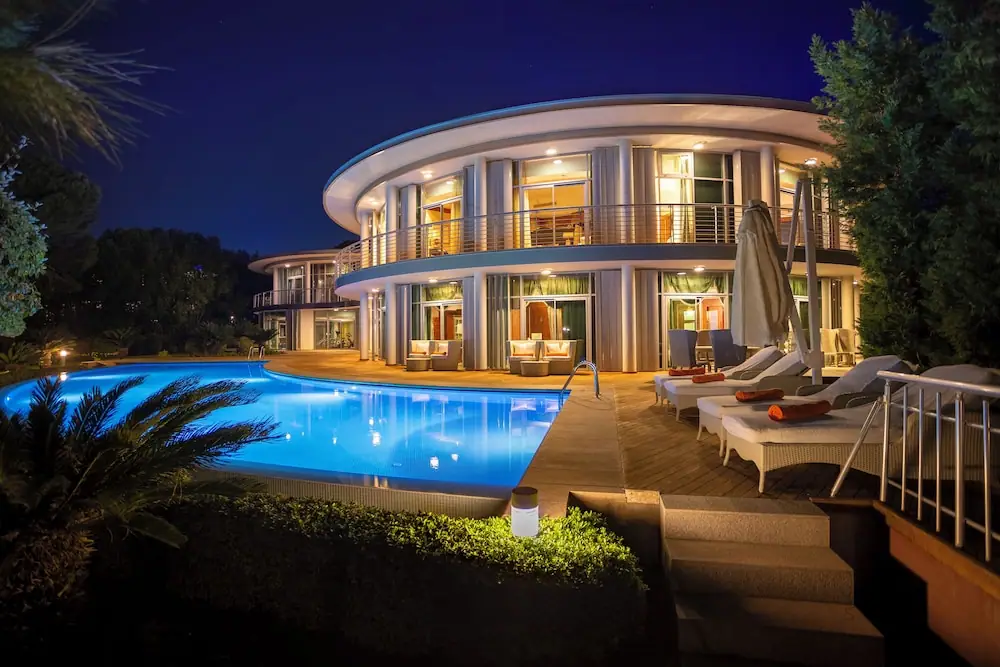
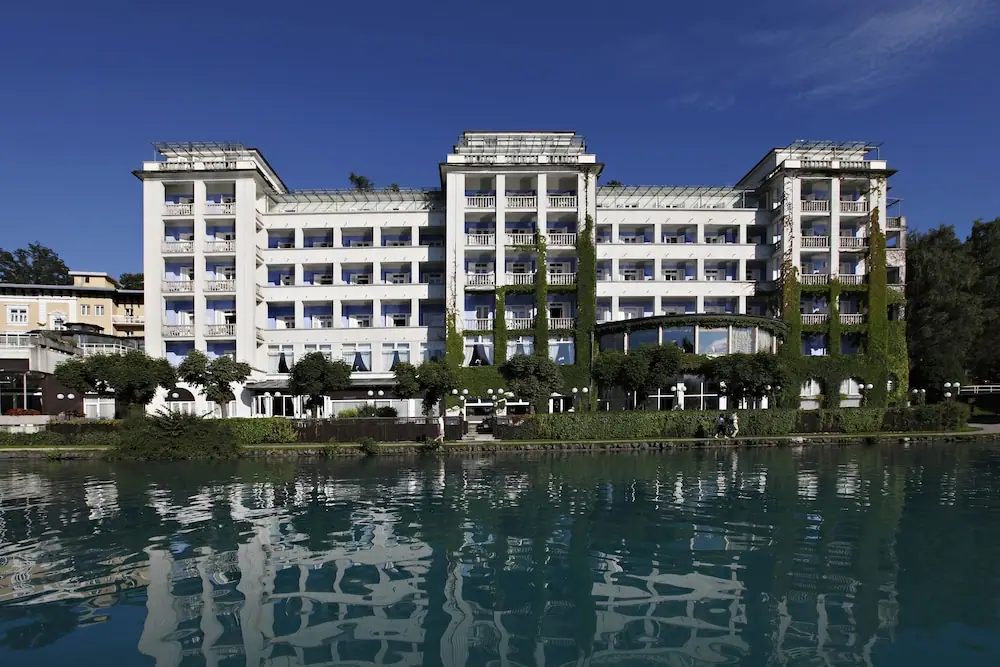
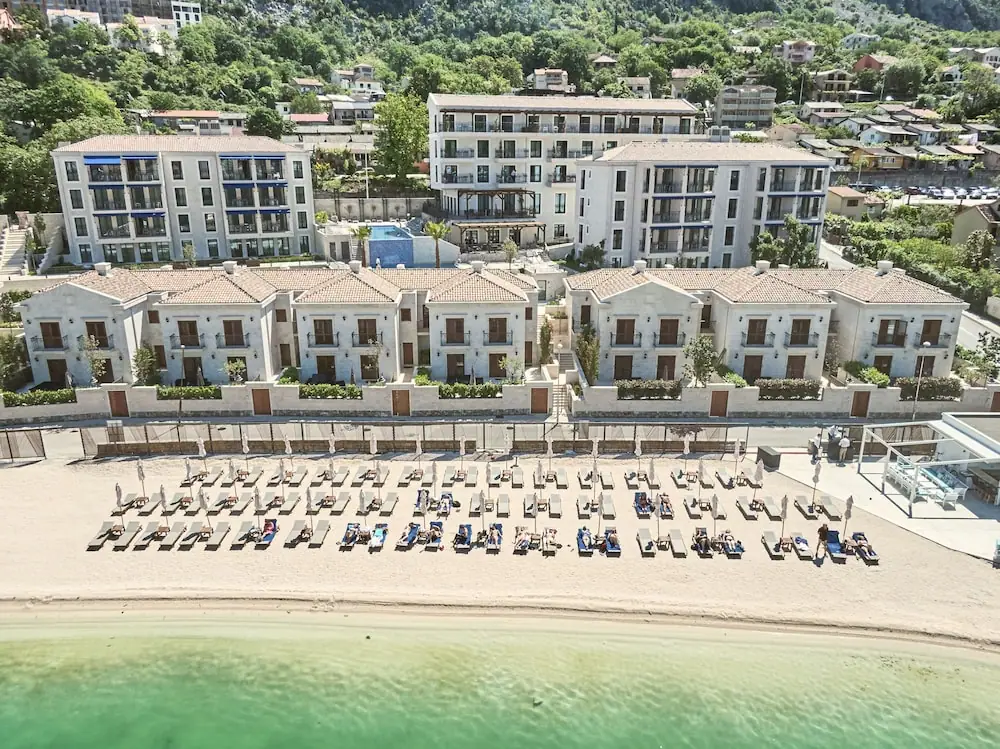
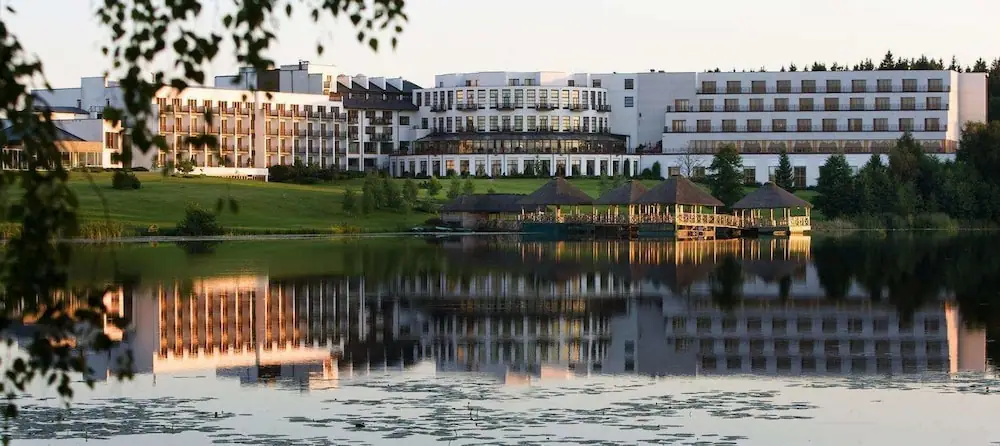
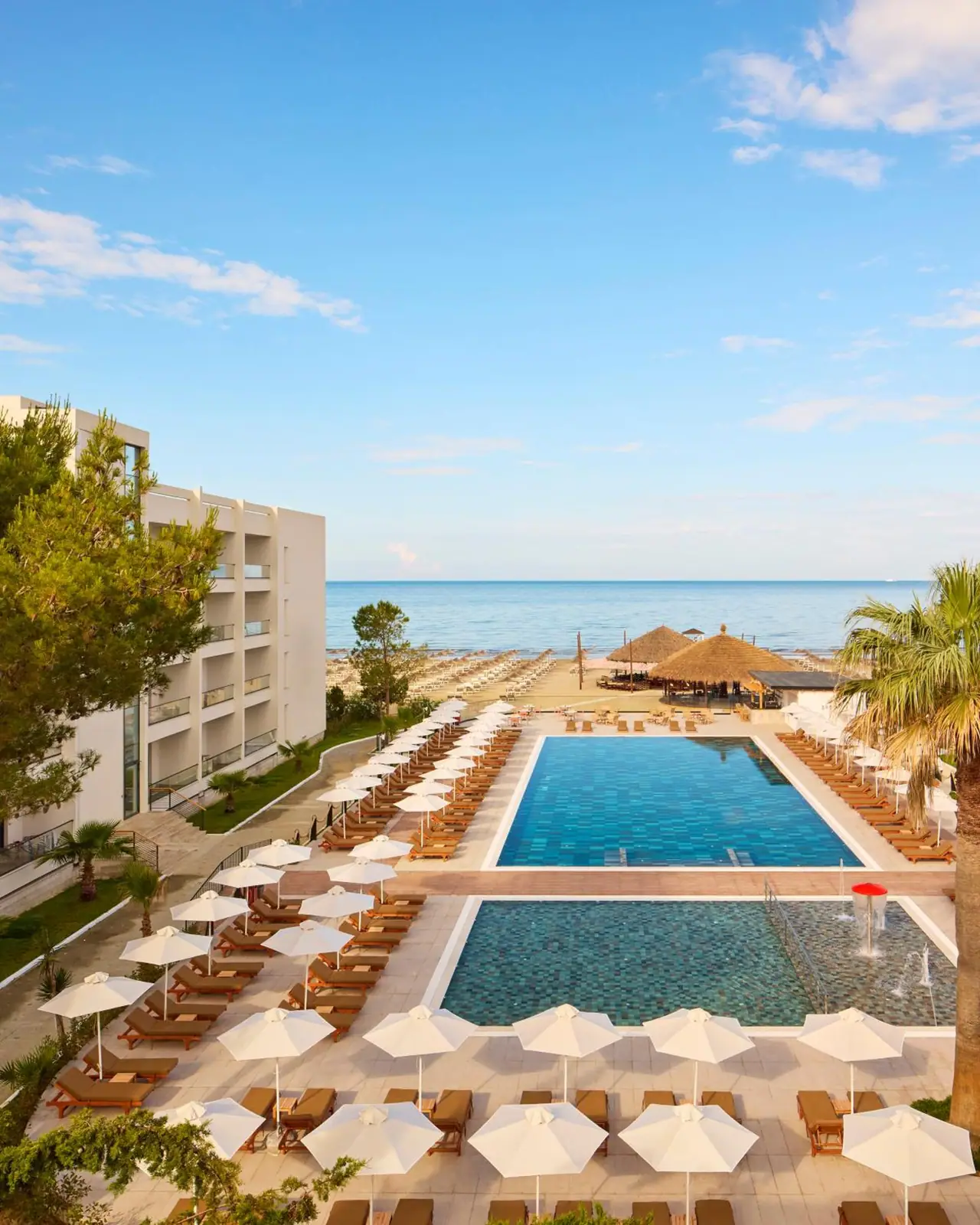
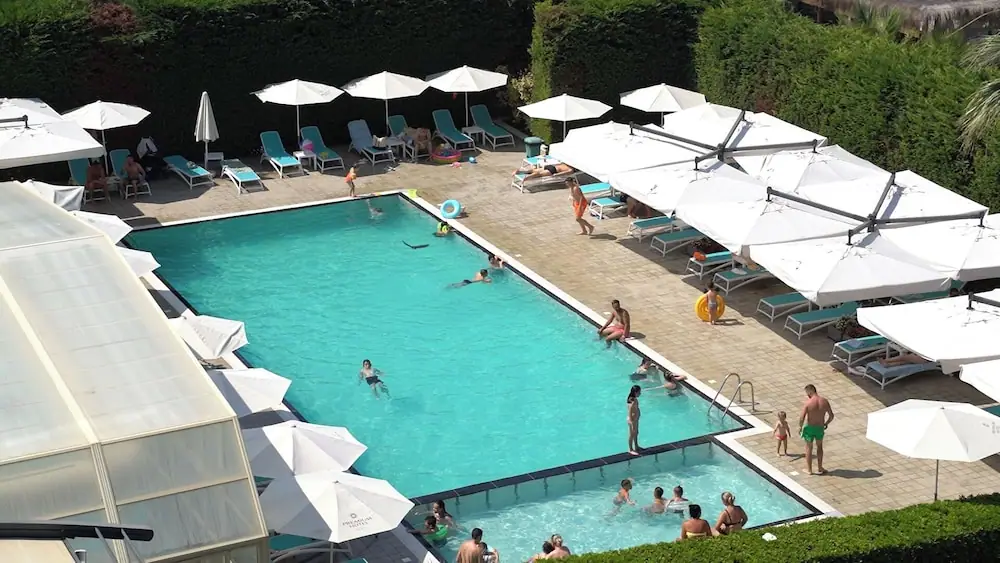
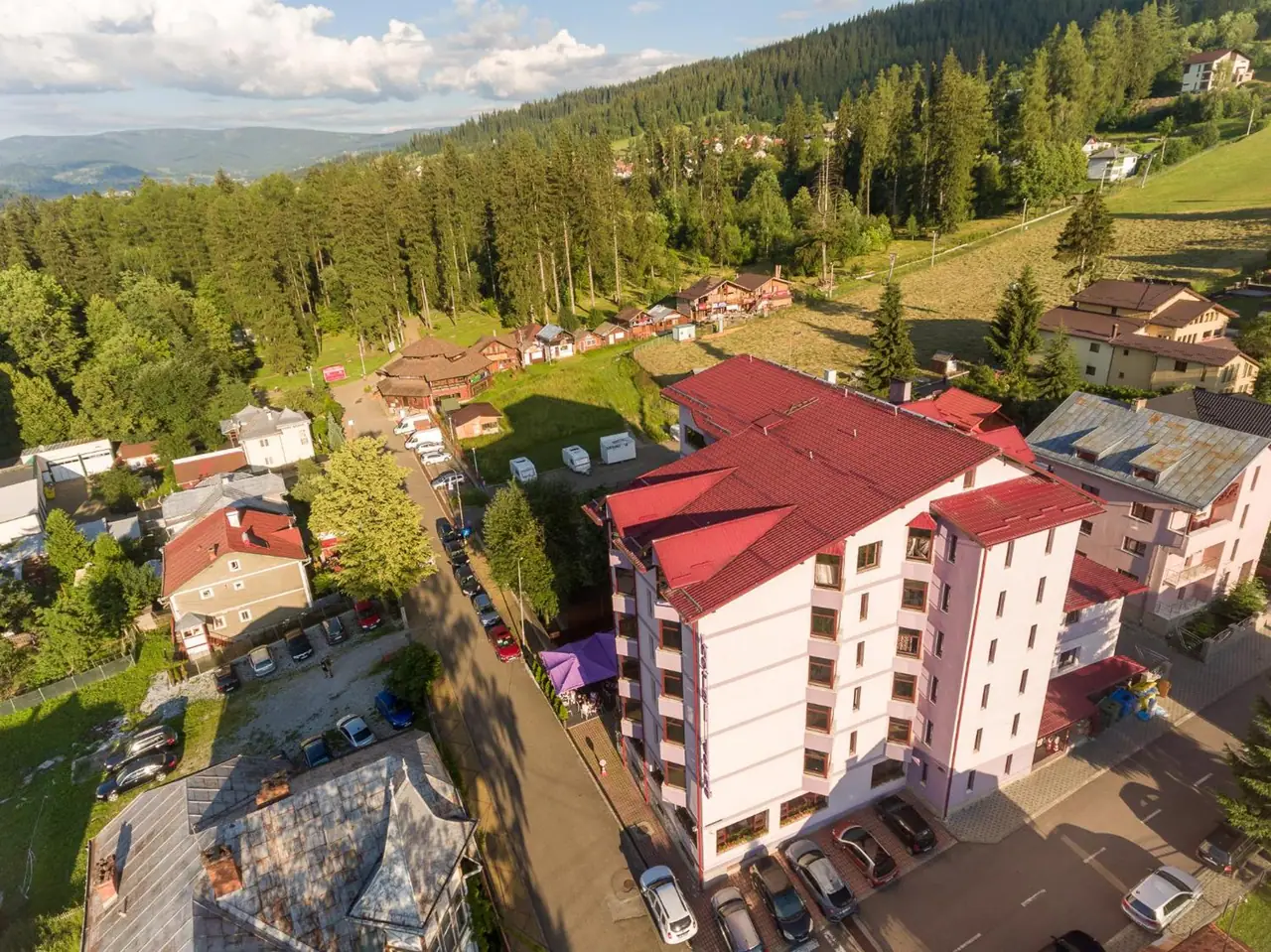

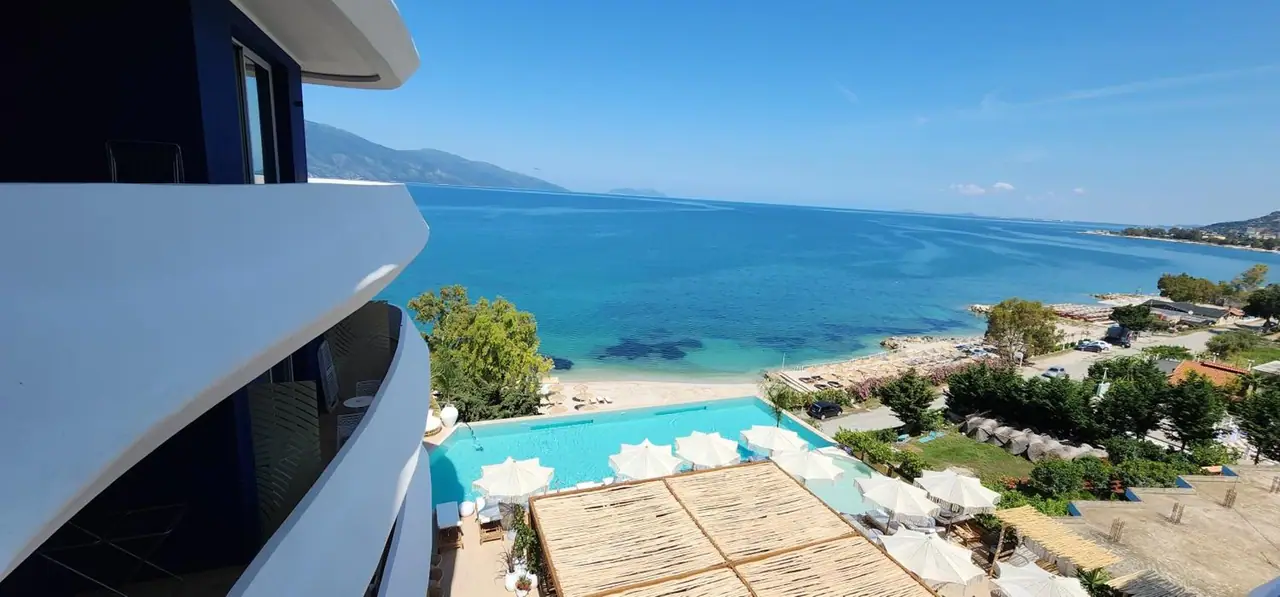
An all-inclusive resort with a private beach offers convenience above all else. You can walk straight from the hotel to the sea, you don’t have to travel to a public beach every day, and sun loungers, parasols and towels are often right at your fingertips. At higher-end resorts, this is complemented by a beach bar, waiter service and a quiet area for adults.
However, ‘private beach’ doesn’t mean the same thing everywhere. In Turkey, a resort can set aside a long stretch of beach almost entirely for hotel guests. In Greece and Croatia, the coastline usually remains open to the public, and it’s more often a section managed or reserved by the hotel with its own facilities.
So look beyond the words ‘private beach’ in the hotel description. The distance to the sea, the type of surface, the services included and how busy it is will determine whether the beach experience is genuinely better than at a standard seaside hotel.
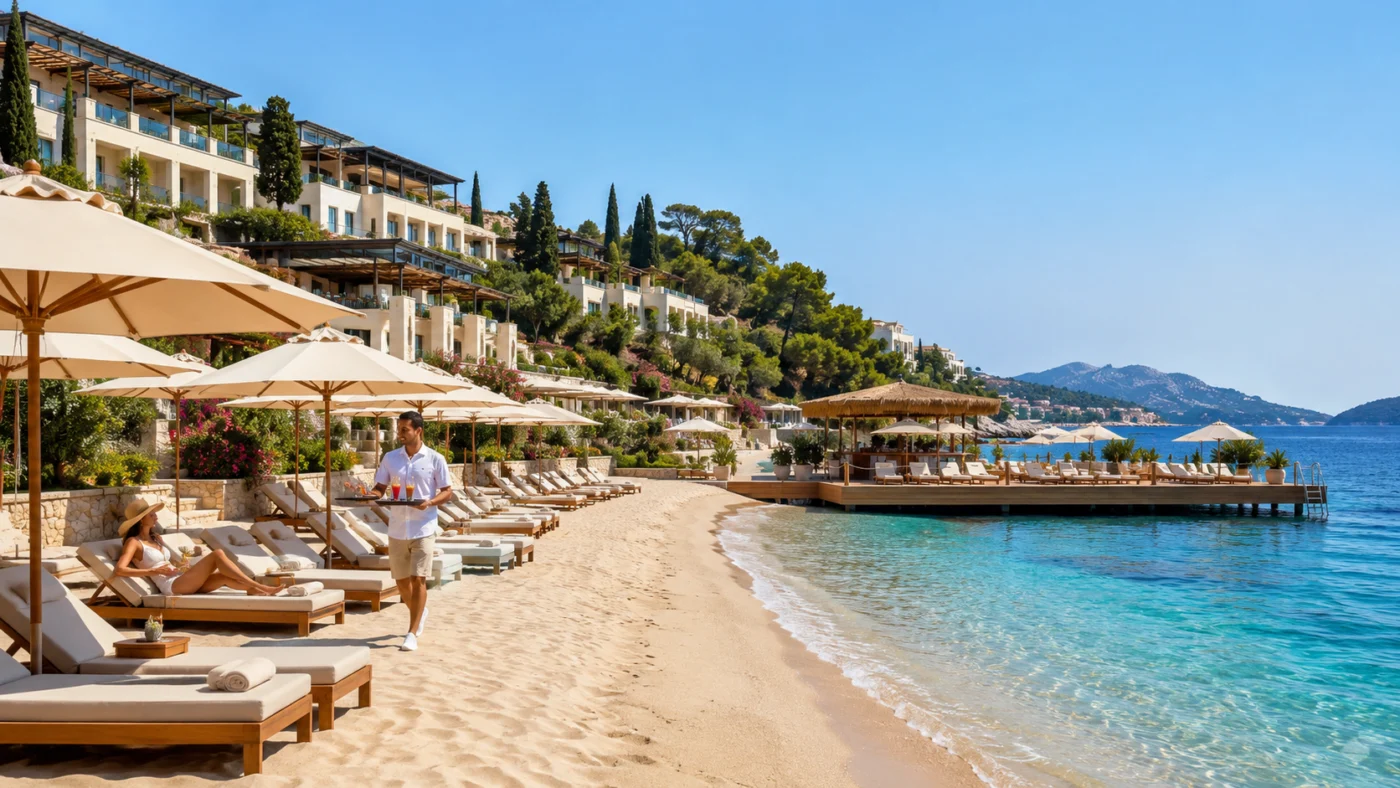
What exactly is a private beach?
In the travel industry, a private beach is usually a beach or section of beach managed by a hotel and primarily designed for hotel guests. The resort provides sun loungers, parasols, showers and sometimes changing rooms. Access is often via the hotel grounds or with a guest wristband.
Legally, the beach does not have to be owned by the hotel. A resort may hold a licence, concession or right of use for part of the coastline. This makes the spot feel private, whilst other beachgoers are still permitted to use it in accordance with local regulations.
So don’t just ask whether the hotel has a private beach. Also ask whether the beach is exclusively for guests, whether day visitors are welcome, and whether there is a public path running alongside the sun loungers. This will give you a more accurate picture of the peace and seclusion on offer.
Private beach or reserved beach area
With a truly private resort beach, the facilities are situated directly in front of the hotel and are managed by the same staff. The beach bar, towel service and sun loungers are then part of the all-inclusive package. You do not need a separate bill or an external beach club.
A reserved beach area is situated on a public beach. The hotel has a row or zone there with its own sun loungers and parasols. Other visitors are allowed to use the rest of the beach and sometimes walk through the hotel zones.
In Greece, this is often how it works. The coastline and beaches remain public, whilst businesses and hotels can obtain rights of use for demarcated sections. Free access to the beach remains a fundamental principle of Greek regulations.
In Croatia, the distinction is even clearer. The law does not recognise enclosed hotel beaches, as many travellers might imagine. Beaches must remain accessible and no entrance fee may be charged, even if a hotel maintains or furnishes the adjacent section.
Being right by the sea does not always mean being right on the beach
A resort may be situated by the sea without you being able to walk straight onto the sand from the garden. Sometimes there is a promenade, coastal road or public footpath between the hotel and the beach. That needn’t be a problem, but it does change the atmosphere and convenience.
At some hotels, you reach the beach via a tunnel, lift or staircase. Resorts on a hill may offer good beach access, whilst the route may be awkward for pushchairs or people with reduced mobility.
Check the distance on a map and look at satellite images. Hotel descriptions often use terms such as ‘beachfront’ and ‘seafront’ quite loosely. A beach a five-minute walk away feels very different from one that’s right next to the pool terrace.
Also pay attention to the layout of buildings within a large resort. A room in the rear annexe may be hundreds of metres from the sea, even if the hotel is advertised as being right on the beach.
Beach services
For many travellers, the added value of a private beach lies in the service. Good resorts provide free sun loungers, sturdy parasols, towels and showers. Sometimes there’s a fridge stocked with water, or staff come round to take your drink orders.
Check whether the beach bar is included in the all-inclusive package. At some hotels, local soft drinks, beer and simple snacks are included, whilst cocktails, fresh juices and bedside service incur an extra charge.
Cabanas and beach pavilions are often excluded from the standard package. You’ll then pay per day for extra shade, more privacy and service. With higher room categories, a private pavilion may be included.
In Turkish luxury resorts, the service can be extensive. Rixos, for example, includes beach access with towels and sun loungers as part of the all-inclusive package at several of its resorts. At Rixos Sungate, bar service and beach facilities are also included in the package.
Free sun loungers are not always guaranteed
A private beach does not automatically prevent guests from laying out their towels early. Particularly in July and August, the front rows can fill up quickly. A long beach with plenty of sun loungers works better than a small bay with limited space.
Ask how many rooms the hotel has and how large the beach area is. A resort with a thousand guests and two hundred sun loungers can feel busier than a smaller hotel on a public beach.
Some luxury hotels allocate a fixed number of sun loungers per room, take bookings via an app or have a separate area for suites. This offers more certainty, but may mean that standard rooms only have access to the busiest section.
Check whether sun loungers and parasols are genuinely free. At an external beach club, entry may be included, whilst you pay for the loungers or a minimum spend.
Sandy beach, pebble beach or platform
A private beach says nothing about the surface. In Belek, Lara and Side, you’ll find plenty of wide sandy beaches or beaches with a mix of sand and small pebbles. Around Kemer and parts of Bodrum, pebbles, rocks and wooden platforms are more common.
A sandy beach is ideal for families and for travellers who enjoy walking along the water’s edge. Fine sand can be blown about by the wind, making the sea water closer to the shore murkier. A pebble beach often offers clear water, but water shoes are a good idea.
Platforms and jetties are well suited to rocky coastlines. You can access the water directly via a staircase and avoid getting sand on your towel. They are less suitable for small children and inexperienced swimmers, as the water can be deep straight away.
Read the beach description carefully. Terms such as ‘sandy beach’ may also mean that only the upper section consists of deposited sand, whilst the water’s edge consists of pebbles or rocks.
Private beaches in Turkey
Turkey offers a wide range of all-inclusive resorts with their own or virtually exclusive beach areas. The Antalya coast in particular is home to many large hotels built right by the sea, which manage all beach facilities themselves.
Belek is ideal for families and couples looking for a wide sandy beach, plenty of space and extensive resort facilities. The hotels often have long stretches of beach, several bars and separate areas with pavilions.
Lara is close to Antalya Airport and is convenient for a short transfer. Many resorts are situated directly behind a wide beach. The atmosphere is generally lively and the hotels are large.
Side and Alanya offer a mix of sandy beaches, smaller bays and rocky stretches. Be sure to check carefully how far the hotel is from its own beach area. Some resorts use a tunnel or shuttle service.
In Bodrum, hotels are often situated on hillsides and around sheltered bays. A private beach there usually consists of a small sandy area, terraces and jetties. The views are lovely, but access to the sea is less suitable for young children.
Greece and Croatia
On Crete, Rhodes, Kos and Corfu, hotels frequently use the term ‘private beach’. In practice, this usually refers to an organised section of a public beach with sun loungers, parasols and a bar.
That doesn’t necessarily make the experience any less enjoyable. A resort may keep a large section neatly maintained and provide plenty of sun loungers for guests. You just shouldn’t expect that no one from outside the hotel will walk past.
Crete has many sandy beaches, but also coves with pebbles and rocks. Around Elounda, the beaches are often smaller and sheltered. On the north coast, waves and wind can have a greater impact.
Rhodes has many quiet coves on the east coast and is windier on the west side. In the south, there are large resorts with spacious beach areas, but the beach surface varies from place to place.
In Croatia, beaches often consist of pebbles, rocky outcrops or concrete terraces. The water is clear and platforms provide easy access to the sea. A hotel may offer sun loungers and services, but the beach itself remains open to the public.
Peace and exclusivity
A private beach can offer tranquillity as there are fewer vendors, day-trippers and individual sun loungers. However, the atmosphere depends mainly on the size and type of resort.
A family hotel with a water park can be noisy and busy on the beach. An adults-only resort with a small beach area can feel quieter, even if the beach is officially public.
Pay attention to music and entertainment. Some resorts organise daytime DJ sessions, beach volleyball and foam parties. Other hotels keep the beach quiet and concentrate activities around the main swimming pool.
If you’re looking for true seclusion, you’re better off considering a resort in a private bay, a villa complex with its own pavilions, or a separate adults-only beach area. Read recent reviews to check whether the promised quiet area remains peaceful even during peak season.
Suitable for families
A good family beach has a gently sloping seabed, few sharp stones and plenty of shade. A wide strip between the sun loungers and the water gives children space to play without constantly having to walk between other guests.
Ask if there is a lifeguard on duty. Hotel supervision at the swimming pool does not automatically mean that the beach is supervised. Also keep an eye out for flags, currents and waves.
A sheltered bay is ideal for young children. On open beaches, waves can become stronger in the afternoon. In parts of Crete, Rhodes and the Canary Islands, wind plays a greater role than on the Turkish Riviera.
Check the distance from your family room to the beach. A steep route, lots of steps or the need for a shuttle service can make a day at the beach with a pushchair, toys and bags less relaxing.
Water sports and activities
Many private beaches have a water sports centre. Kayaking and pedalos are sometimes included, whilst jet skiing, parasailing, diving and motorised activities incur an extra charge.
The water sports centre may be run by an external provider. In that case, the rates and safety rules are not the hotel’s responsibility. Ask who is responsible and what insurance cover applies.
Check the swimming area. Buoys must separate swimmers from boats and jet skis. At jetties, it is important that there is a clear route for boarding and mooring.
Snorkellers are better off at a rocky bay or on a rocky seabed than on a flat sandy beach. Families often prefer soft sand and shallow water. So decide in advance which type of beach suits your plans.
What to look out for when booking
First, check the exact location. See whether the beach is directly adjacent to the hotel, accessible via a road or tunnel, or served by a shuttle bus.
Next, read up on what’s included. Look for information about sun loungers, parasols, towels, the beach bar, snacks and service. Also check whether cabanas and pavilions are available for a fee.
Look at recent guest photos. Hotel images often show an empty beach at sunrise. Photos from July and August give a better idea of how many sun loungers there are and how close together they are.
Ask about the seabed at the water’s edge, not just the beach itself. A sandy beach can quickly give way to rocks in the sea. Also check the water depth, wave conditions and whether there is a lifeguard on duty.
Finally, be aware of seasonal rules. Beach bars, water sports and towel services may have shorter opening hours in April, May, October and November. In bad weather, a jetty may close temporarily.
When is a private beach worth the extra cost?
The extra cost makes sense if you want to spend time by the sea almost every day. Free sun loungers, short walking distances and food and drink included in the package will save you time and avoid additional out-of-pocket expenses.
For families, convenience is a major factor. You can get back to your room quickly, don’t have to carry beach gear about, and have food and toilets nearby. A safe, gently sloping sea is more important than exclusive service.
For couples, the added value may lie in peace and quiet, comfortable beds and beachside service. A separate adults-only area or a reserved cabana makes more of a difference than the ‘private beach’ label alone.
If you’re mainly out on day trips or prefer to relax by the pool, you’ll make less use of the beach facilities. In that case, it’s better to choose a better hotel within a short walking distance of a public beach than a more expensive resort with a beach you’ll hardly ever visit.
Frequently asked questions about all-inclusive holidays with a private beach
What is a private beach at a hotel?
Usually, this is a beach or section of beach managed by the hotel and set up for guests. The hotel does not necessarily own the land. In many countries, the coastline remains open to the public.
Is access to the private beach always included?
At most all-inclusive resorts, access is included. Sun loungers, parasols, towels and service may be subject to specific terms and conditions. Check the hotel description before you book.
Is a private beach always a sandy beach?
No. It may also be a pebble beach, a rocky outcrop, a wooden platform or a jetty. Be sure to check the surface at the water’s edge and how you enter the sea.
In which countries are private beaches common?
Turkey has many all-inclusive resorts with large, hotel-managed beach areas. In Greece and Croatia, these are more often hotel facilities on a publicly accessible beach. You’ll also find resorts with reserved areas in Cyprus and Bulgaria.
Is a private beach really only for hotel guests?
Not always. In Turkish resorts, access may be strictly limited to hotel guests. In Greece and Croatia, public access usually remains possible, even when the hotel manages the sun loungers and service.
Are sun loungers free with all-inclusive packages?
Often, but not at every hotel. Cabanas, pavilions and sun loungers in an exclusive area often incur an extra charge. Also check whether there are enough free sun loungers available for the number of guests.
Is a private beach suitable for children?
That depends on the seabed, the swell and the depth. With young children, opt for sandy beaches, a gentle slope into the water and supervision. Platforms and jetties are less suitable for children who cannot swim well yet.