All-inclusive March
Discover the finest all-inclusive resorts in March. Combine filters to find your ideal stay.
Average temperature and rainfall in March by country
March feels different from January and February. The days are getting longer, the sun is growing stronger and, in southern Europe, spring is starting to make itself felt. Nevertheless, March remains a transitional month. By the coast, you can already enjoy some lovely days on a terrace, but evenings are often chilly. In the mountains, winter sports remain a viable option in many places, particularly at higher altitudes. That’s why it helps to look at two regions per country: a northern and a southern option.
Spain
Northern Spain — Bilbao and the Basque coast. Average temperatures of around 11 to 12 degrees. Around 75 to 95 mm of rainfall. This is a mild northern region, but March remains changeable. Choose Bilbao primarily for its city life, gastronomy and coastal walks, not for winter sun.
Southern Spain — Southern Tenerife. Average temperature around 19.3 degrees. Around 15 mm of rainfall. This is the best Spanish choice for all-inclusive winter sun in March. Southern Tenerife is warm, relatively dry and many hotels here operate all year round.
Portugal
Northern Portugal — Porto and the coastal region. Average temperature around 12 to 13 degrees. Around 90 to 120 mm of rainfall. Porto is already getting milder in March, but remains wet. It’s a good choice for a city break with great food, but less so for a sun holiday.
Southern Portugal — Madeira, Funchal. Average temperature around 16 to 17 degrees. Around 45 to 60 mm of rainfall. Madeira is mild and green in March. The island is ideal for walkers, couples and travellers who want to combine an all-inclusive holiday with nature and stunning views.
Cyprus
Northern Cyprus — Kyrenia region. Average temperature around 14 to 15 degrees. Approximately 45 to 60 mm of rainfall. The north coast becomes noticeably milder in March. Choose this region for peace and quiet, coastal walks and that springtime feeling.
Southern Cyprus — Paphos and Limassol. Average temperatures of around 14 to 16 degrees. Around 30 to 45 mm of rainfall. Southern Cyprus is a great choice in March for culture, sea views and mild days. Swimming in the sea is still a bit chilly, but walking, day trips and sitting on terraces become more appealing.
Malta
Northern Malta — Mellieħa and St Paul’s Bay. Average temperature around 13 to 14 degrees. Around 40 to 55 mm of rainfall. Northern Malta is quieter in March than in summer. Ideal for coastal walks, short drives and a relaxing hotel stay.
Southern Malta — Valletta and Marsaxlokk. Average temperatures of around 13 to 15 degrees. Around 40 to 55 mm of rainfall. Southern Malta is the best choice if you’re looking for a lively atmosphere in March. Valletta, the harbours and villages mean you won’t be dependent on beach weather.
Turkey
Northern Turkey — Istanbul and the Marmara region. Average temperature around 8 to 9 degrees. Around 55 to 75 mm of rainfall. Istanbul is ideal in March for culture, markets and city breaks, but not for all-inclusive winter sun holidays.
Southern Turkey — Antalya, Lara and Belek. Average temperature around 13 to 14 degrees. Around 90 to 100 mm of rainfall. The Turkish Riviera becomes milder in March, but the weather can still be changeable. Choose this region particularly for resorts with wellness facilities, indoor swimming pools, hammams and a high standard of hotel comfort.
Austria
Northern Austria — Salzburg region. Average temperature around 5 to 7 degrees. Approximately 60 to 80 mm of rainfall. In the city, March already feels more like spring, but in the mountains, winter sports are still very much possible. At higher altitudes, precipitation often falls as snow.
Southern Austria — Carinthia and the Villach region. Average temperatures of around 6 to 8 degrees. Approximately 55 to 75 mm of precipitation. Southern Austria is often a bit sunnier and milder than the northern valleys. For winter sports, head for the higher-altitude areas; for a peaceful hotel stay, the lakes and valleys are already lovely.
France
Northern France — the south coast of Brittany or the Nantes region. Average temperatures of around 9 to 10 degrees. Around 50 to 70 mm of rainfall. March here is mild but changeable. Suitable for short breaks, less so for an all-inclusive sun holiday.
Southern France — Nice and the Côte d’Azur. Average temperature around 11 to 12 degrees. Around 50 to 65 mm of rainfall. The Côte d’Azur is one of the mildest regions in France in March. Choose this area for sunshine, the sea, walking and charming towns. For snow, head for the French Alps instead.
Italy
Northern Italy — Liguria, Genoa and the Italian Riviera. Average temperature around 10 to 12 degrees. Approximately 75 to 95 mm of rainfall. This is one of the milder northern regions. The Italian Riviera is lovely for its atmosphere, coastal towns and that springtime feeling.
Southern Italy — Sicily, the Palermo region. Average temperature around 13 to 15 degrees. Around 55 to 75 mm of rainfall. Sicily is one of the warmest options in Italy in March. You go there for the culture, food, coast, cities and that early spring feeling.
Switzerland
Northern Switzerland — Basel region. Average temperature around 6 to 8 degrees. Around 50 to 65 mm of rainfall. Basel is relatively mild, but March remains chilly. Ideal for exploring the city, visiting museums and a short break.
Southern Switzerland — Ticino, Lugano region. Average temperatures of around 8 to 10 degrees. Around 70 to 90 mm of rainfall. Ticino is the mildest region in Switzerland. For a milder spring feel, Lugano is a better choice than the northern cities. For winter sports, opt for higher-altitude regions such as Zermatt, Davos or Saas-Fee.
Germany
Northern Germany — Hamburg region. Average temperature around 4 to 6 degrees. Approximately 45 to 60 mm of rainfall. Hamburg is still chilly in March, but the days are getting longer. This is a city break destination, not a sun destination.
Southern Germany — Freiburg and Baden-Württemberg. Average temperatures of around 7 to 9 degrees. Around 50 to 70 mm of rainfall. Freiburg is one of the milder regions in Germany. For skiing, head to Bavaria or the highest parts of the Black Forest, but the likelihood of snow decreases more rapidly in March.
Czech Republic
Northern Czech Republic — Liberec and the Giant Mountains. Average temperature around 3 to 5 degrees. Around 45 to 65 mm of rainfall. It’s milder in the city, but in higher-altitude ski resorts, March can still be wintry.
Southern Czech Republic — České Budějovice region. Average temperatures of around 5 to 7 degrees. Around 35 to 50 mm of precipitation. Southern Czech Republic is milder and drier than many mountain regions. Suitable for relaxing trips, less so for skiing with guaranteed snow.
Slovenia
Northern Slovenia — Kranjska Gora. Average temperature around 2 to 5 degrees. Approximately 70 to 90 mm of precipitation. Winter sports may still be possible here in March, especially if conditions are favourable. At higher altitudes, precipitation still regularly falls as snow.
Southern Slovenia — Slovenian coast, Portorož and Piran. Average temperature around 9 to 11 degrees. Approximately 60 to 80 mm of precipitation. The coast is the mildest region in Slovenia in March. Ideal for wellness, short walks, sea views and a peaceful hotel stay.
Andorra
Northern Andorra — Ordino and the Arcalís region. Average temperatures around 0 to 3 degrees. Around 45 to 65 mm of precipitation. This remains a true snow region in March. Choose this area if skiing is a priority.
Southern Andorra — Andorra la Vella and Escaldes-Engordany. Average temperatures of around 4 to 7 degrees. Around 40 to 60 mm of precipitation. The southern valleys are milder than the ski resorts. This is ideal if you want to combine skiing with spa treatments, shopping and restaurants.
Greece
Northern Greece — Thessaloniki and Chalkidiki. Average temperatures of around 10 to 12 degrees. Approximately 40 to 55 mm of rainfall. March already feels milder here, but the sea is still a bit chilly. Ideal for culture and quiet coastal towns.
Southern Greece — Crete, Heraklion and the Chania region. Average temperatures of around 14 to 15 degrees. Around 45 to 65 mm of rainfall. Crete is the warmest option in Greece in March. It’s not quite beach weather yet, but it’s lovely for walking, visiting villages, exploring the culture and staying in quiet hotels.
Croatia
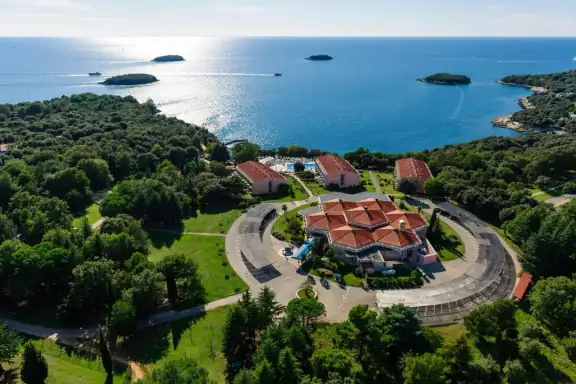
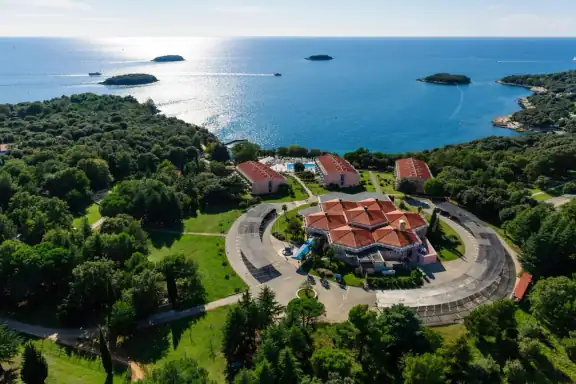
Northern Croatia — Istria, Pula and the Rovinj region. Average temperatures of around 9 to 11 degrees. Approximately 60 to 80 mm of rainfall. Istria gets milder in March, but remains quiet. Ideal for coastal walks, small towns and wellness.
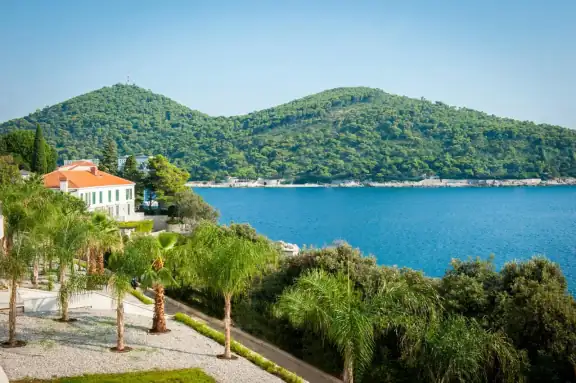
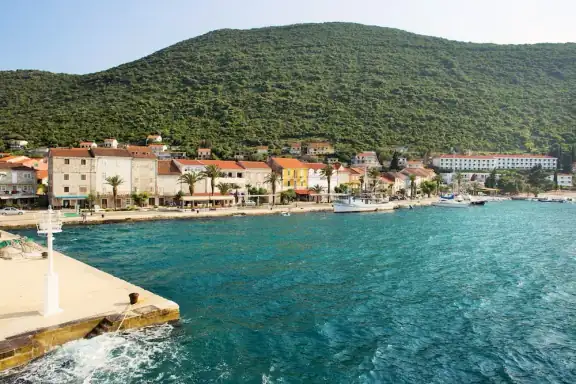
Southern Croatia — Dalmatia, Split and the Dubrovnik region. Average temperatures of around 11 to 13 degrees. Around 75 to 100 mm of rainfall. Southern Croatia is milder, but can be wet in March. You’ll choose it for its historic towns, sea views and the tranquillity of spring, not for days on the beach.
Bulgaria
Northern Bulgaria — Varna region. Average temperature around 6 to 8 degrees. Approximately 35 to 50 mm of rainfall. The Black Sea coast is still cool and quiet. All-inclusive beach hotels are often still operating on a limited basis.
Southern Bulgaria — Burgas and the southern coast. Average temperatures of around 7 to 9 degrees. Around 35 to 45 mm of rainfall. The south coast is slightly milder than the north, but March is still too early for a beach holiday. For skiing, head to Bansko, Borovets or Pamporovo.
Albania
Northern Albania — Shkodër region. Average temperature around 10 to 12 degrees. Approximately 120 to 150 mm of rainfall. Northern Albania is mild but wet in March. Good for nature and culture, less so for the beach.
Southern Albania — Sarandë and Ksamil region. Average temperatures of around 13 to 15 degrees. Around 80 to 110 mm of rainfall. Southern Albania is the warmest option. The coast is becoming more appealing, but it’s still too early for a proper sun and sea holiday.
Montenegro
Northern Montenegro — Kolašin and the mountainous region. Average temperatures around 2 to 5 degrees. Around 90 to 120 mm of rainfall. In the mountains, March may still be suitable for snow and winter sports.
Southern Montenegro — Budva and the Bar region. Average temperatures around 10 to 12 degrees. Around 110 to 140 mm of rainfall. The coast is mild but wet. Suitable for relaxation, exploring old towns and enjoying sea views.
The Netherlands
Northern Netherlands — Wadden Sea coast and the Groningen region. Average temperatures of around 5 to 7 degrees. Approximately 50 to 65 mm of rainfall. March feels crisp and changeable. Ideal for getting a breath of fresh air, wellness and short breaks.
Southern Netherlands — Limburg and the Maastricht region. Average temperatures of around 7 to 9 degrees. Around 50 to 65 mm of rainfall. South Limburg is the mildest region in the Netherlands in March. Ideal for hills, walking, hotels and indulgent weekends.
Belgium
Northern Belgium — Belgian coast. Average temperature around 6 to 8 degrees. Around 50 to 65 mm of rainfall. The coast is chilly, but ideal for getting some fresh air and hotels with wellness facilities.
Southern Belgium — the Ardennes and the Spa region. Average temperatures of around 4 to 7 degrees. Approximately 70 to 90 mm of rainfall. The Ardennes remain cooler and wetter, but are lovely for nature, wellness and short, well-organised breaks.
United Kingdom
Northern United Kingdom — Cornwall and Devon, south-west coast. Average temperatures of around 8 to 10 degrees. Approximately 70 to 90 mm of rainfall. This is one of the milder regions, although March remains changeable.
Southern United Kingdom — Brighton and the south coast. Average temperatures of around 7 to 9 degrees. Around 45 to 60 mm of rainfall. The south coast is relatively mild and drier than many western regions. Good for short trips, but not for a sun holiday.
Iceland
Northern Iceland — Akureyri region. Average temperatures around -1 to 2 degrees. Around 35 to 55 mm of rainfall. March is still wintry, with a chance of snow and the Northern Lights.
South Iceland — Reykjavík and the south coast. Average temperatures of around 1 to 3 degrees. Approximately 70 to 90 mm of rainfall. The south coast is milder but wetter. Suitable for nature, wellness and winter tours.
Estonia
Northern Estonia — Tallinn region. Average temperature around -1 to 2 degrees. Around 30 to 45 mm of rainfall. March remains wintry, with cold winds and occasional snow.
Southern Estonia — Tartu region. Average temperatures around 0 to 3 degrees. Around 30 to 45 mm of rainfall. Southern Estonia has a slightly more continental climate. It can get milder during the day, but nights remain cold.
Latvia
Northern Latvia — Vidzeme region. Average temperatures around 0 to 2 degrees. Around 35 to 45 mm of precipitation. March remains cool and is sometimes wintry.
Southern Latvia — Riga and Jūrmala region. Average temperatures around 1 to 3 degrees. Around 30 to 45 mm of rainfall. Riga is the most obvious choice for a city break with hotel comfort. Latvia is not a good choice for sunshine in March.
Lithuania
Northern Lithuania — Šiauliai region. Average temperature around 0 to 3 degrees. Around 35 to 45 mm of rainfall. Chilly, flat and still wintry in character.
Southern Lithuania — Vilnius and Druskininkai region. Average temperature around 1 to 4 degrees. Approximately 35 to 50 mm of rainfall. Druskininkai is an attractive destination for wellness and spa hotels, but not for warm weather.
Hungary
Northern Hungary — Budapest region. Average temperature around 6 to 8 degrees. Around 35 to 45 mm of rainfall. Budapest becomes milder in March and is suitable for thermal baths, hotels and city breaks.
Southern Hungary — Pécs and Villány region. Average temperature around 8 to 10 degrees. Approximately 40 to 50 mm of rainfall. Southern Hungary is milder and well suited to wine regions, wellness and peaceful spring breaks.
Romania
Northern Romania — Cluj-Napoca region. Average temperature around 4 to 6 degrees. Approximately 35 to 50 mm of rainfall. March is still chilly, but drier than many coastal regions.
Southern Romania — Bucharest and the Danube Plain. Average temperatures of around 7 to 9 degrees. Approximately 40 to 50 mm of rainfall. Southern Romania is milder, but not a sun destination. Ideal for city breaks, culture and affordable hotels.
Serbia
Northern Serbia — Novi Sad and Vojvodina. Average temperatures of around 7 to 9 degrees. Around 35 to 45 mm of rainfall. The region becomes milder in March and is suitable for city breaks and short trips.
Southern Serbia — Niš region. Average temperatures of around 8 to 10 degrees. Approximately 40 to 55 mm of rainfall. Southern Serbia is often slightly milder. Ideal for culture, food and affordable hotels.
Slovakia
Northern Slovakia — High Tatras. Average temperature around 0 to 3 degrees. Around 40 to 60 mm of precipitation. This remains a winter sports region in March. Precipitation may still fall as snow.
Southern Slovakia — Bratislava region. Average temperatures of around 6 to 8 degrees. Around 35 to 45 mm of precipitation. Bratislava is milder and ideal for a short city break.
Poland
Northern Poland — Gdańsk region. Average temperatures around 2 to 5 degrees. Around 30 to 40 mm of precipitation. The Baltic coast is chilly but relatively dry.
Southern Poland — Kraków and the Zakopane region. Average temperatures of around 5 to 7 degrees in Kraków, lower in Zakopane. Around 35 to 55 mm of rainfall. Kraków is ideal for city breaks, whilst Zakopane remains an attractive destination for late-season winter sports.
Winter sports in March: choose altitude
For winter sports, March is a month when altitude matters. In Austria, France, Italy, Switzerland, Andorra, Slovenia, Slovakia and Poland, it’s better to opt for higher-altitude ski resorts rather than low-lying villages. On the coast and in towns, you’ll already notice signs of spring, but in the mountains the snow can still be good. If you’re looking to book an all-inclusive winter sports holiday in March, focus on hotels close to the ski lifts, spa facilities after skiing and up-to-date snow reports.
View all hotels on the map



































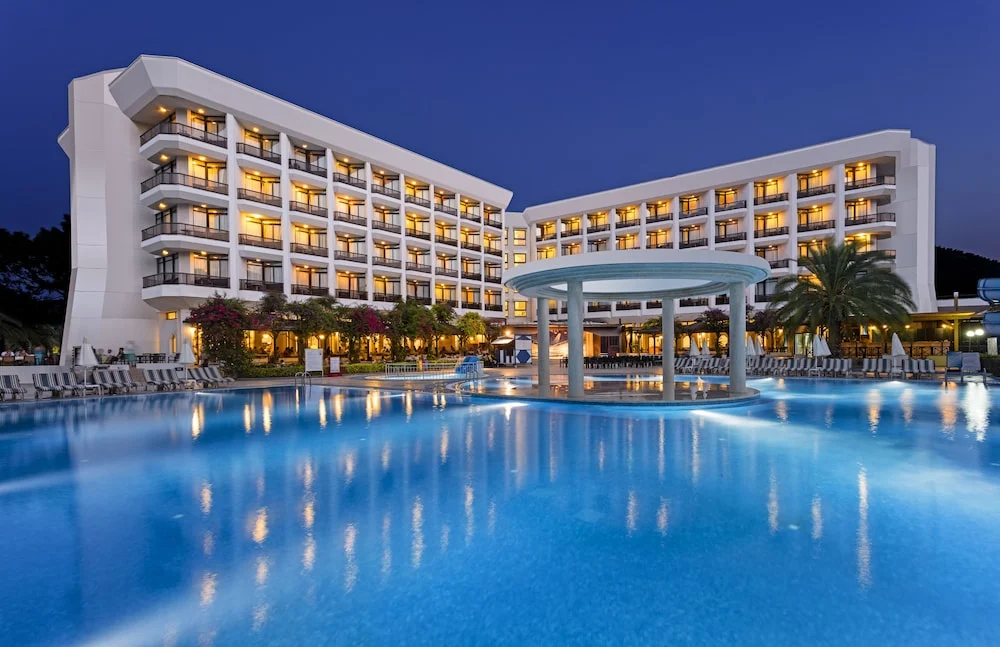
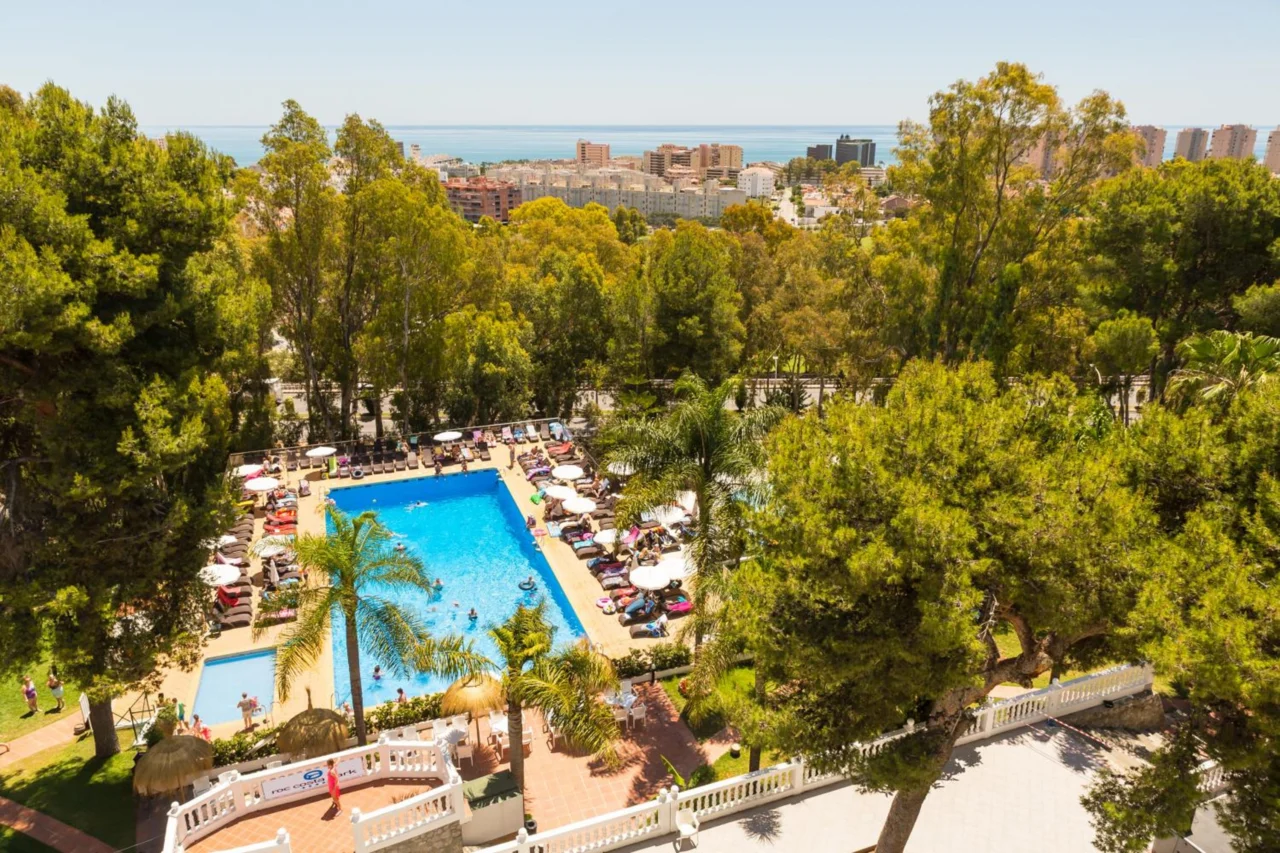
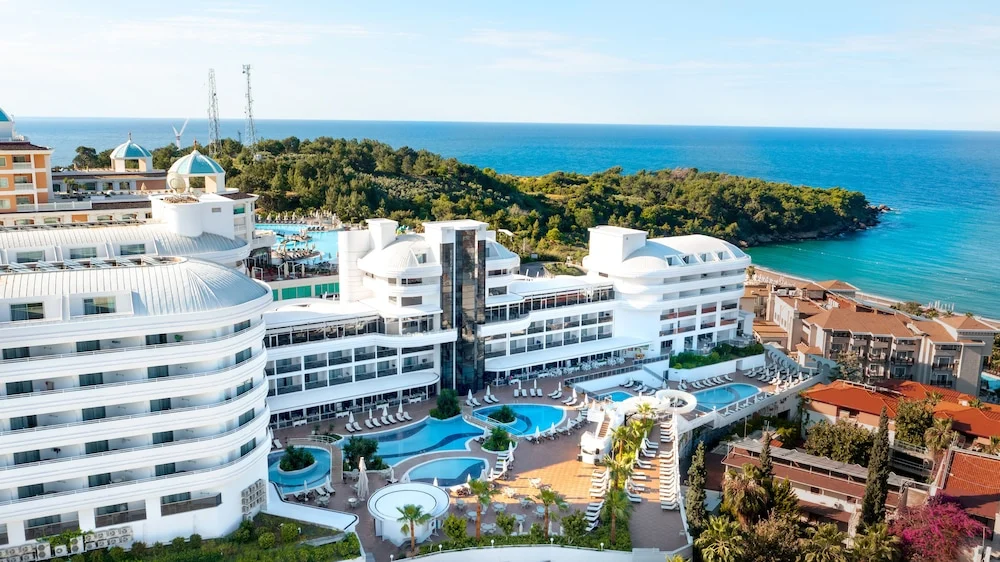
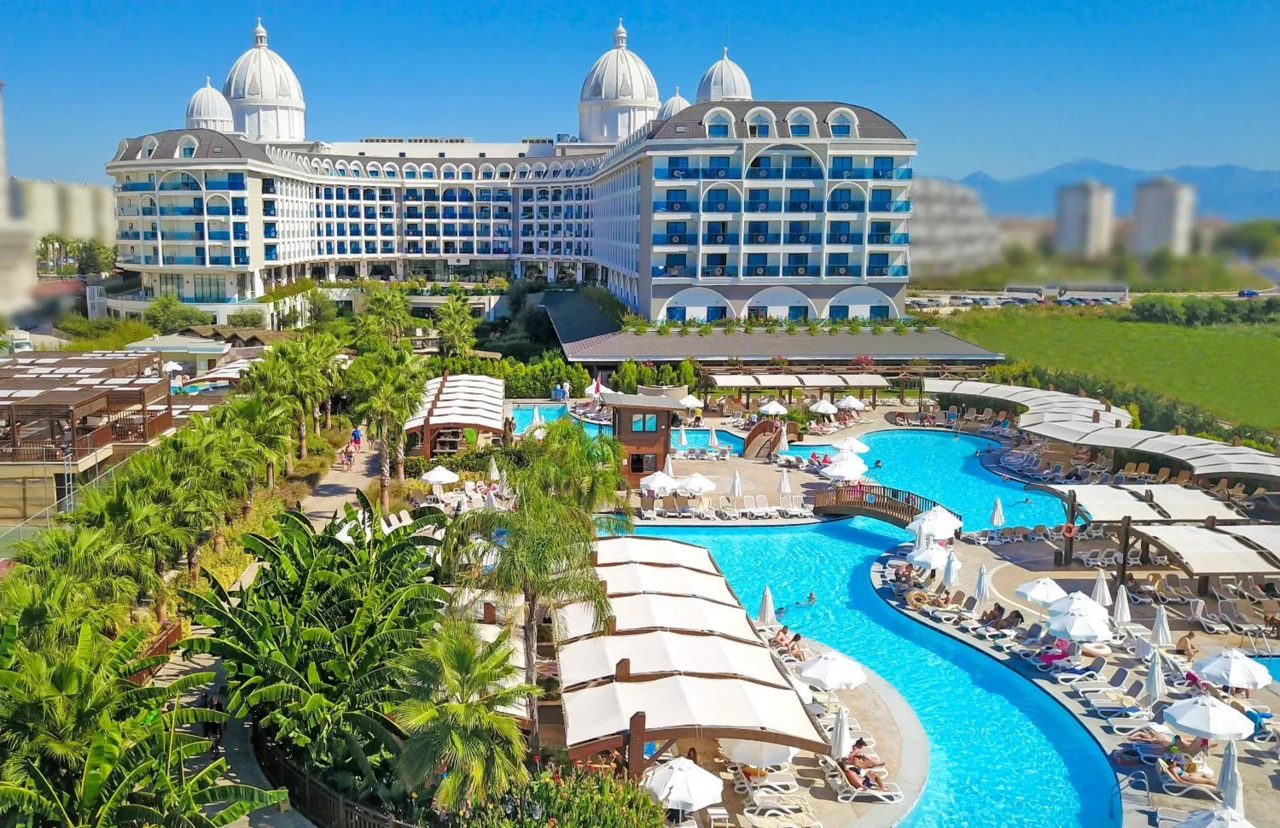































































































































































































810 resorts found
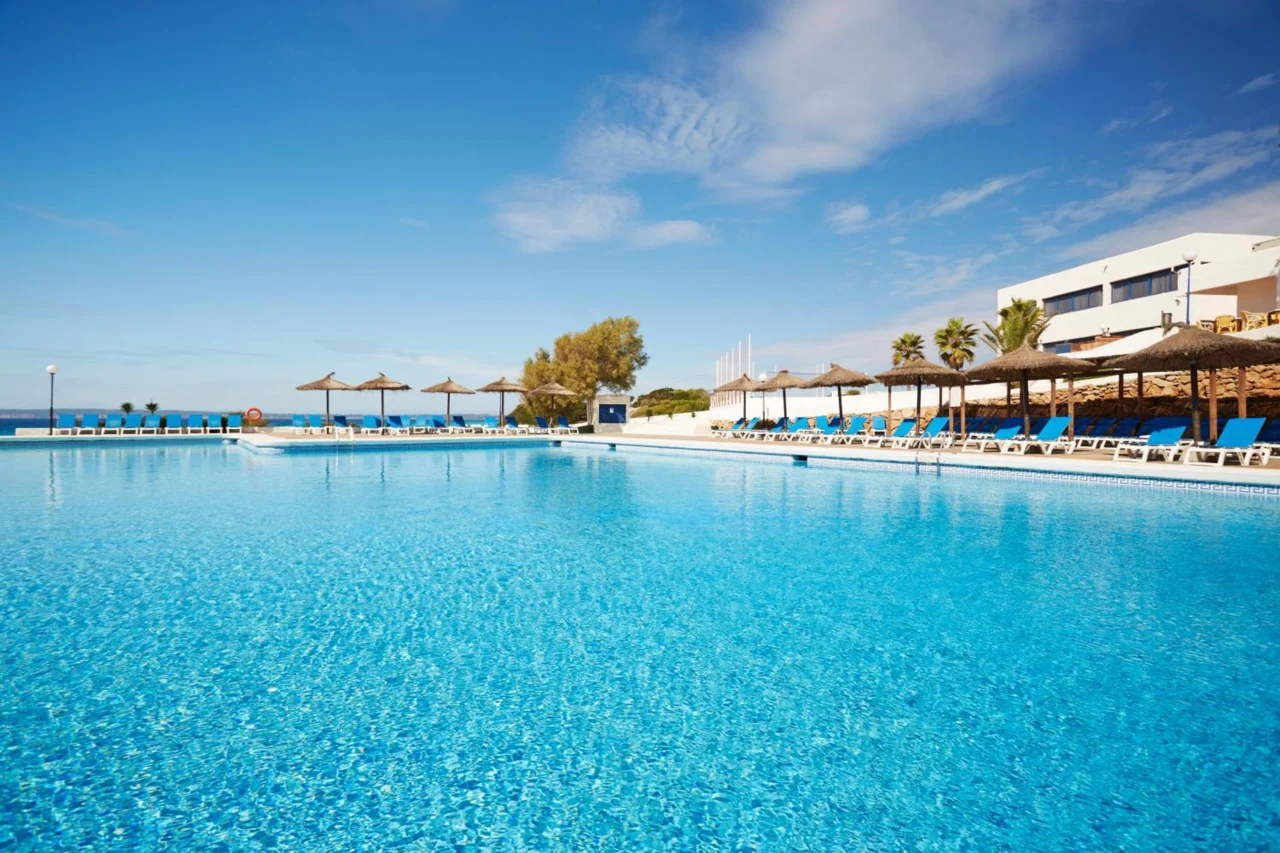
Insotel Club Maryland

Taç Premier Hotel & Spa
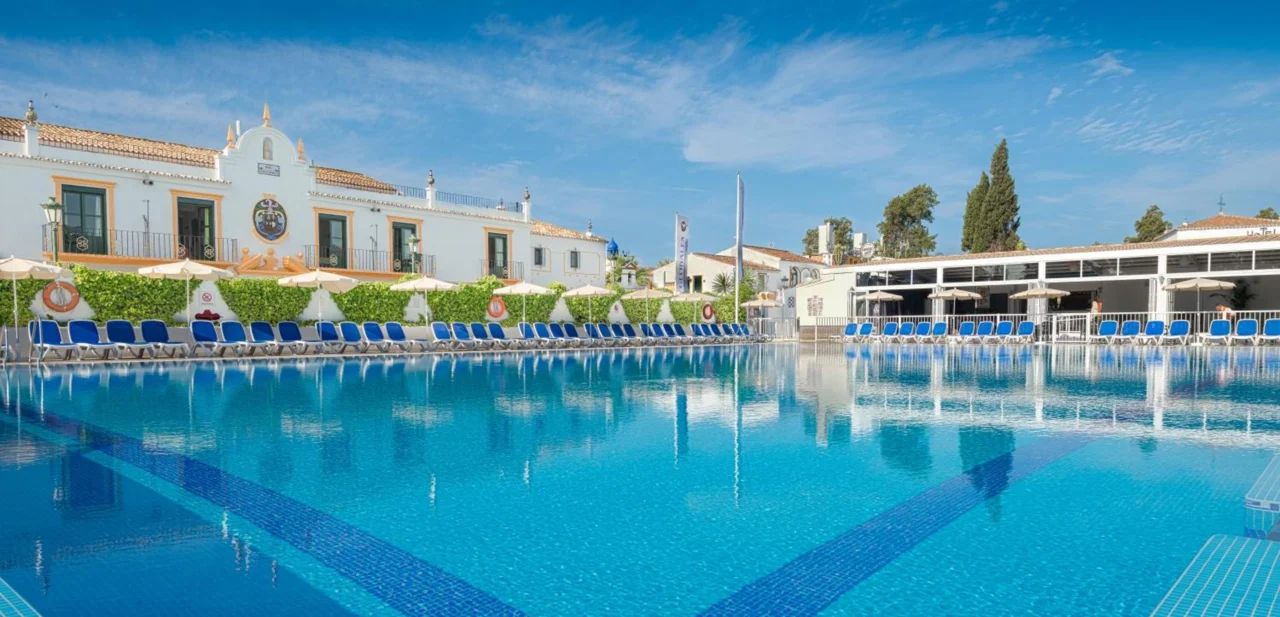
Globales Pueblo Andaluz
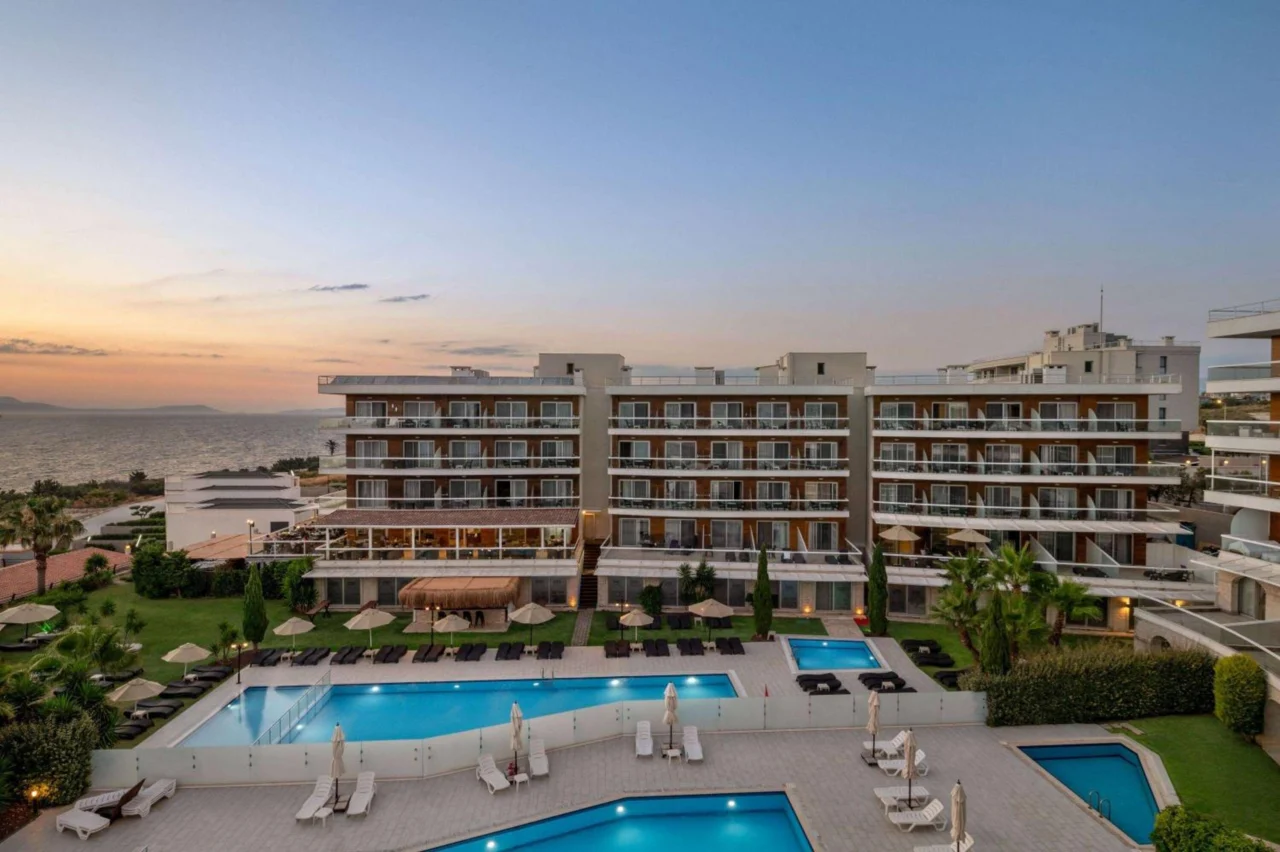
La Quinta by Wyndham Cesme
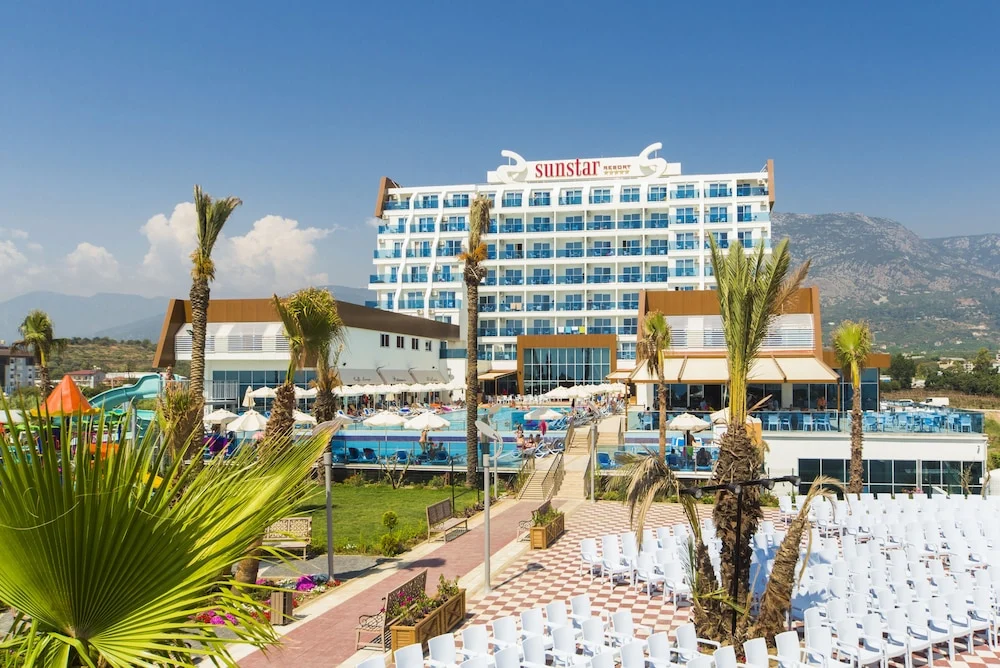
Sun Star Resort
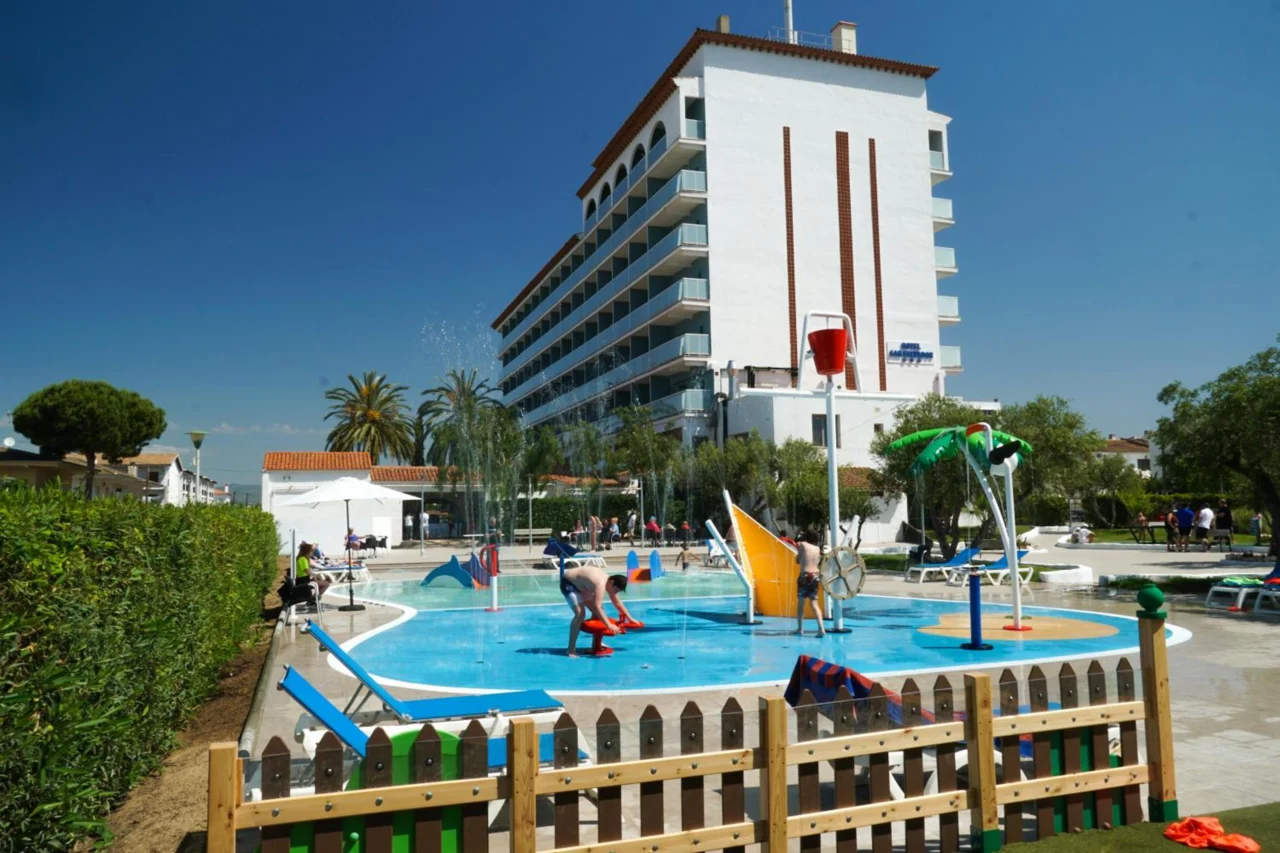
Ibersol Playa Dorada
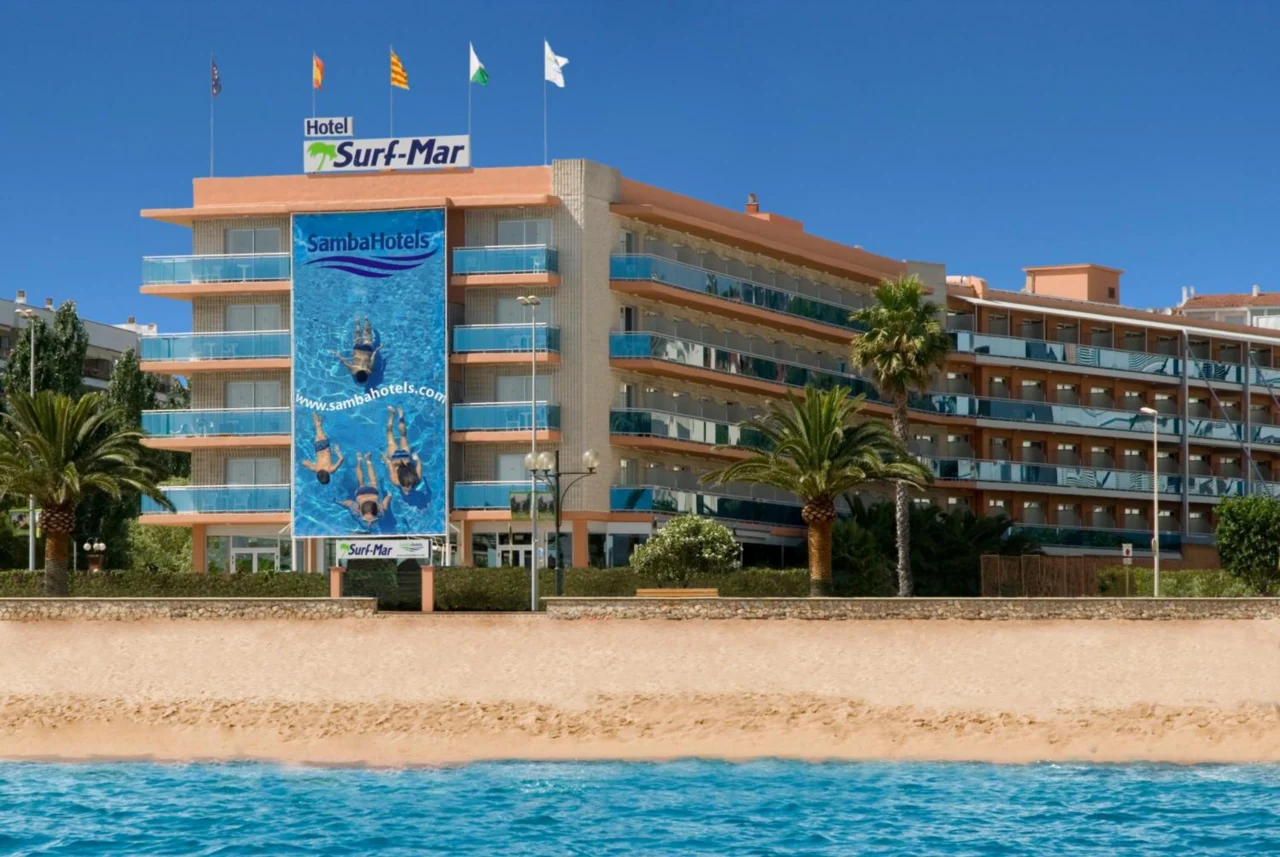
Surf Mar Hotel
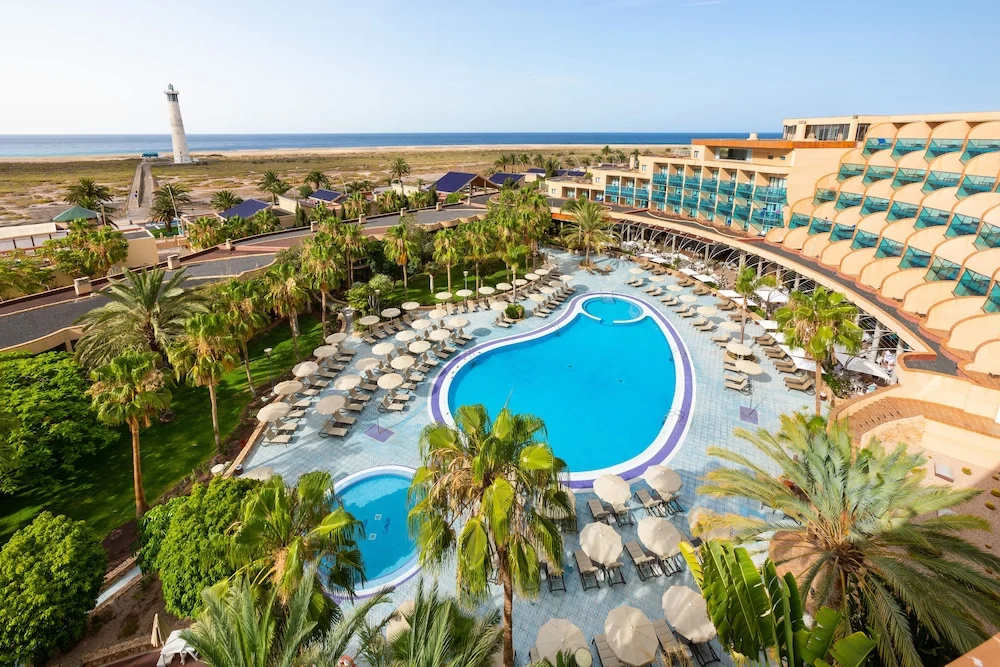
MUR Hotel Faro Jandía
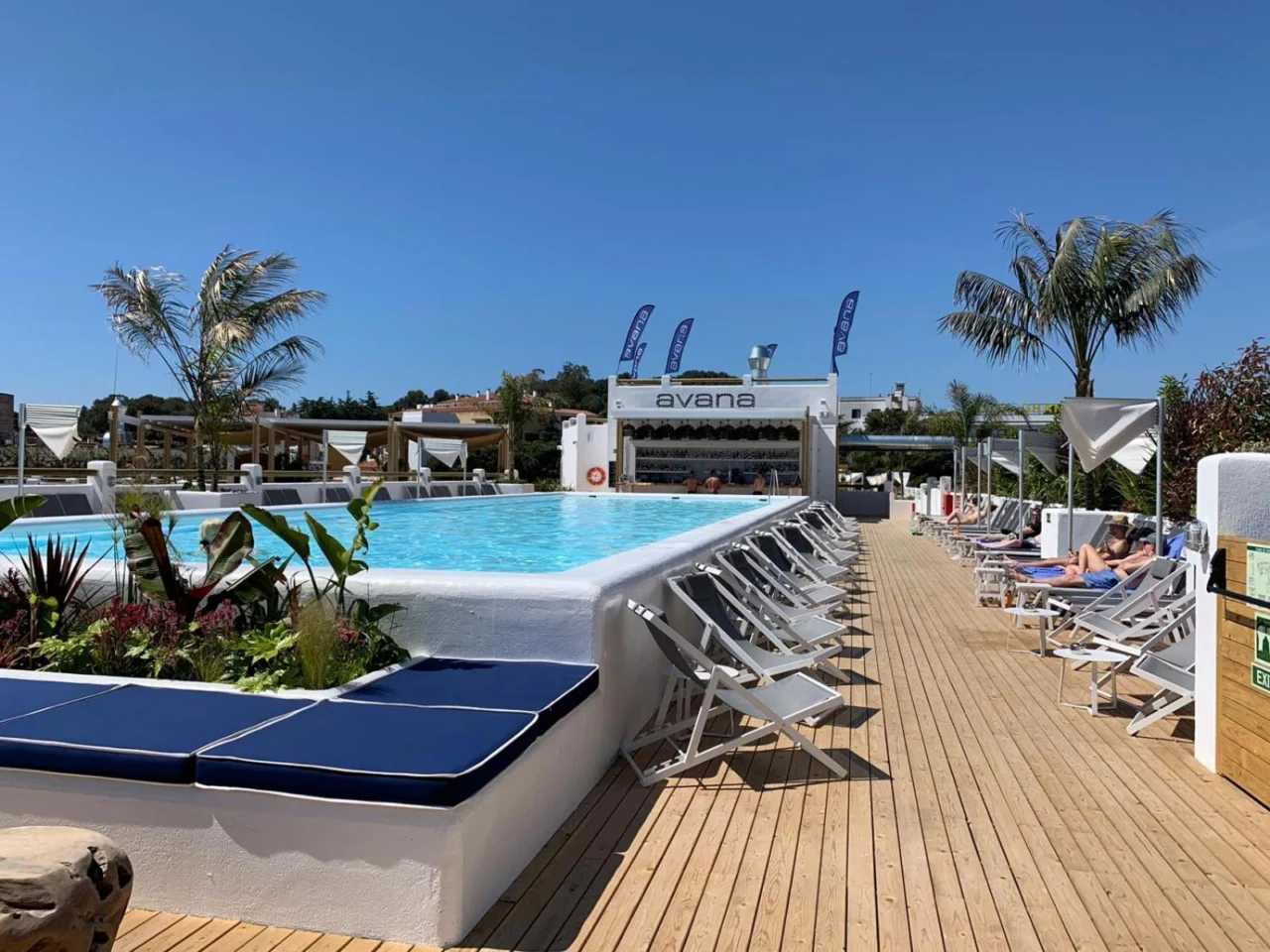
Gran Garbi Hotel
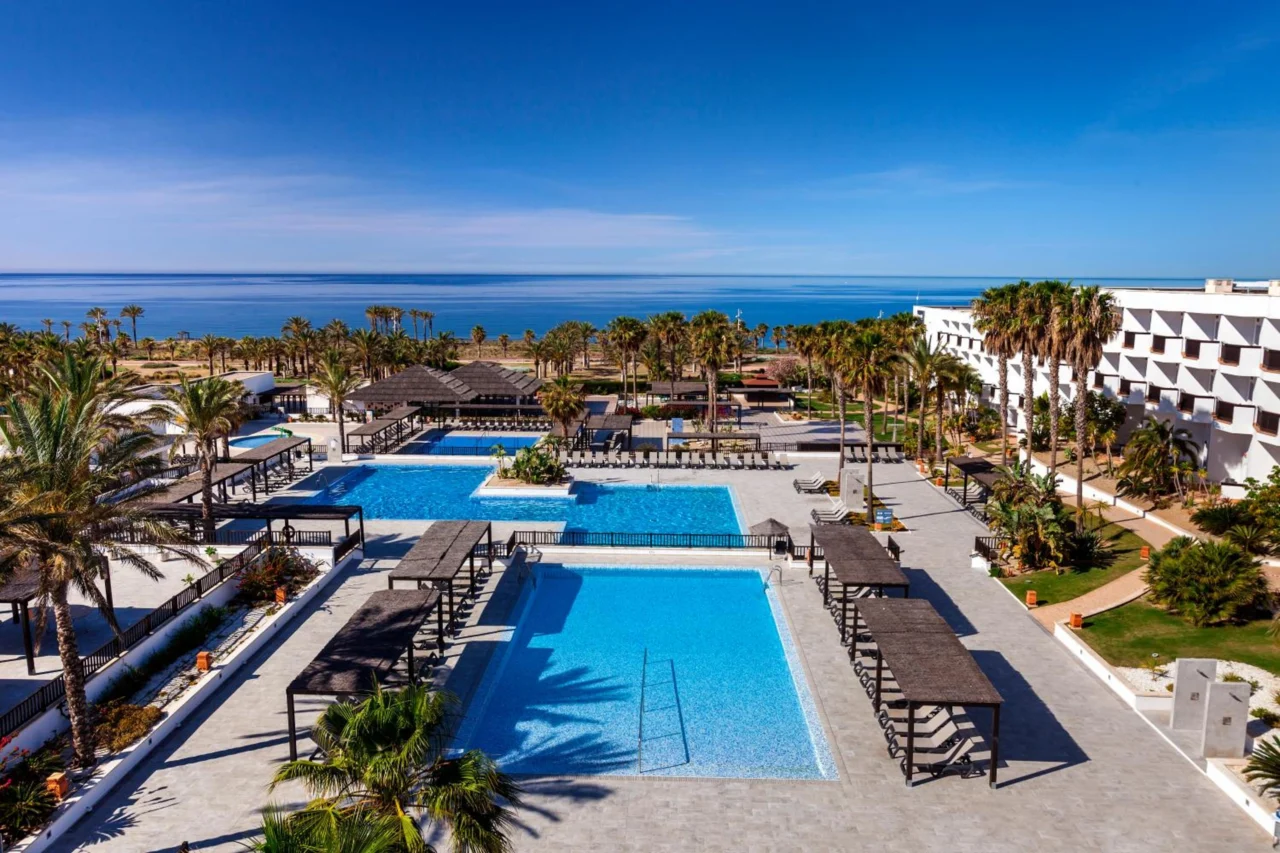
Barceló Cabo de Gata

Megasaray WestBeach Antalya Hotel
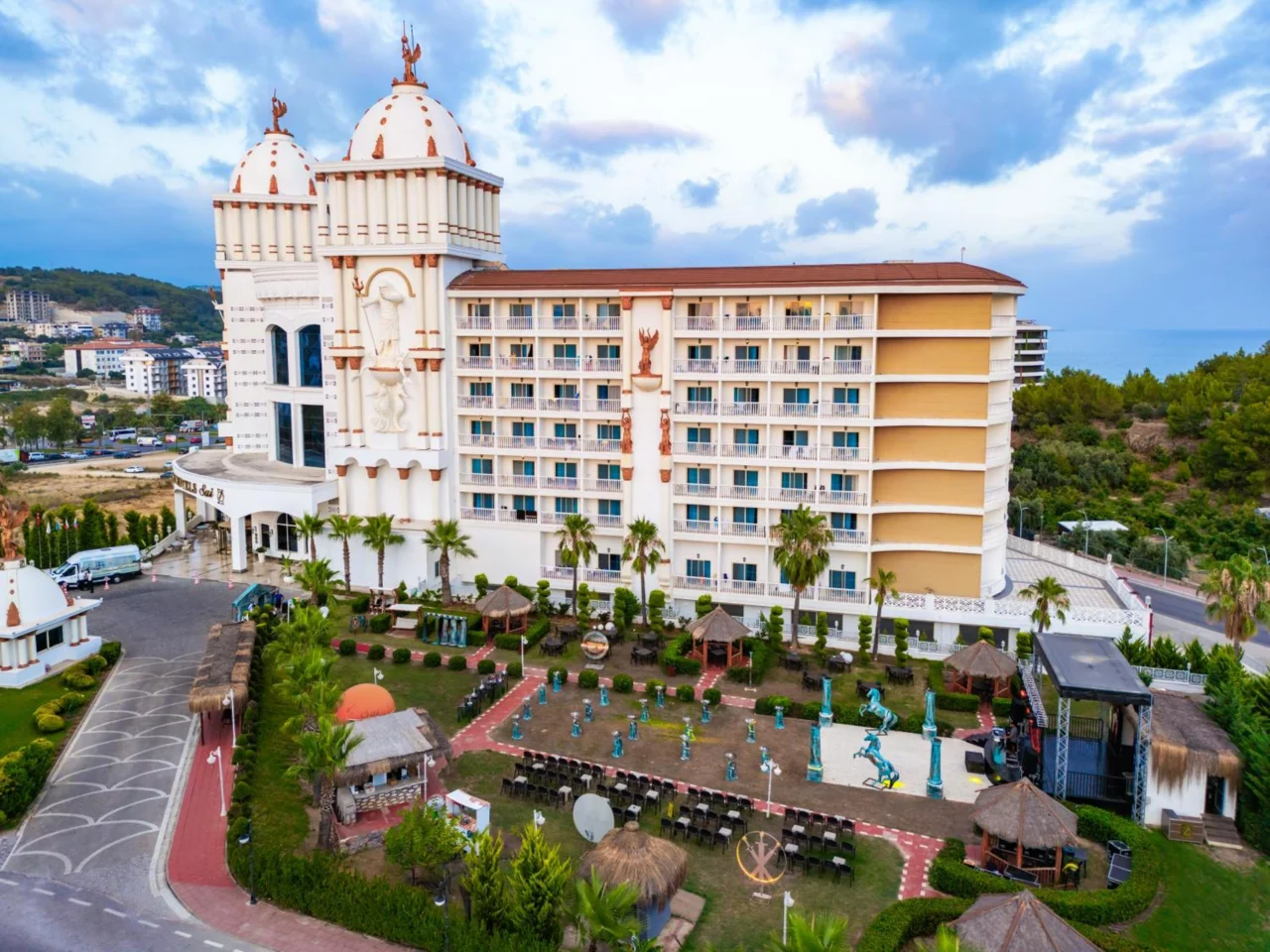
Oz Hotels SUI – All Inclusive
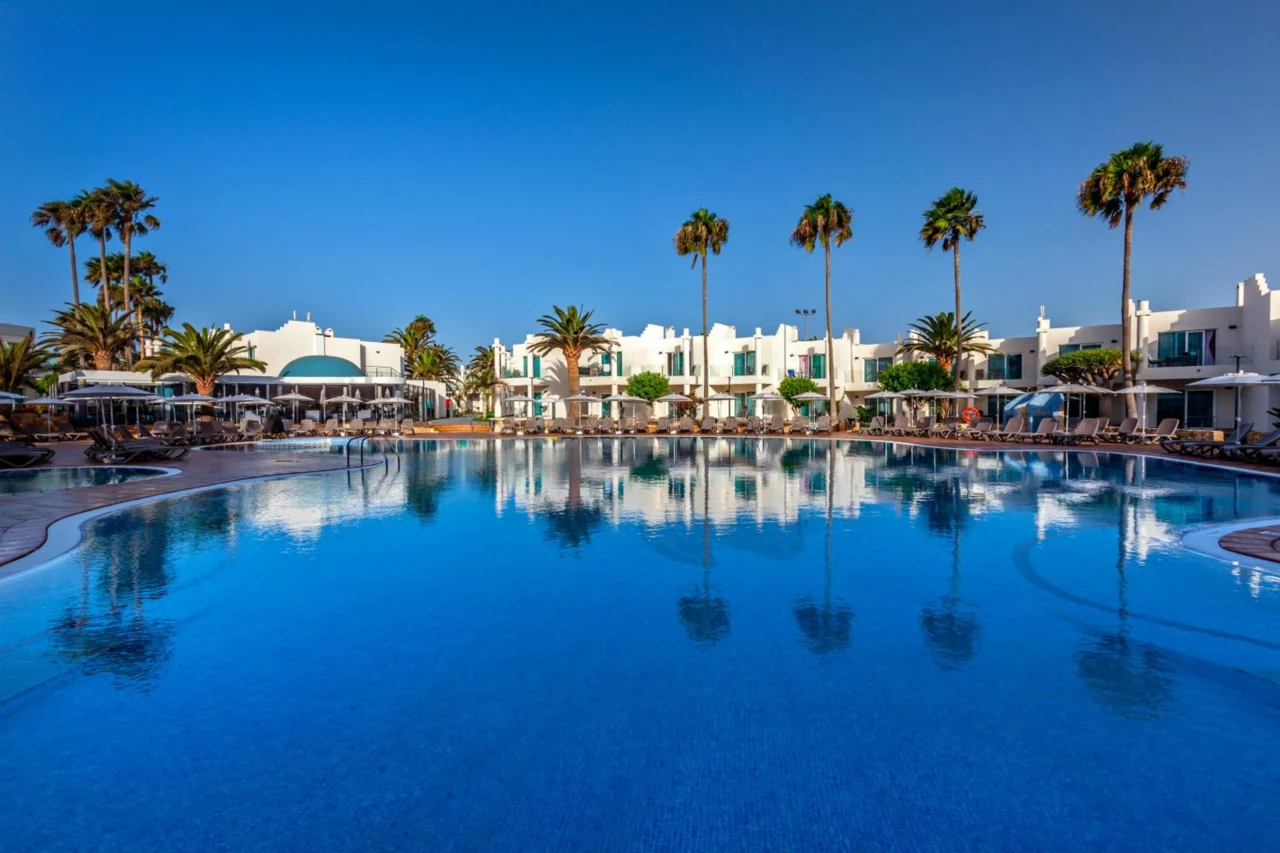
Barceló Corralejo Sands
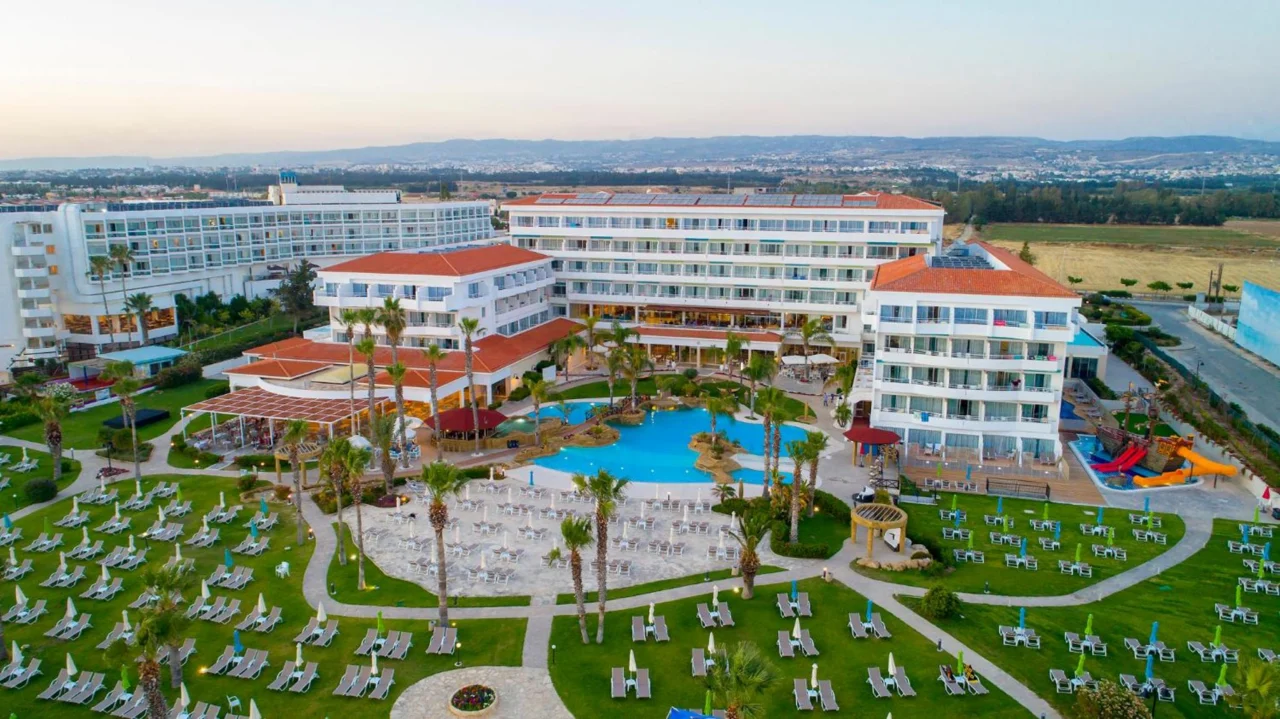
Leonardo Cypria Bay
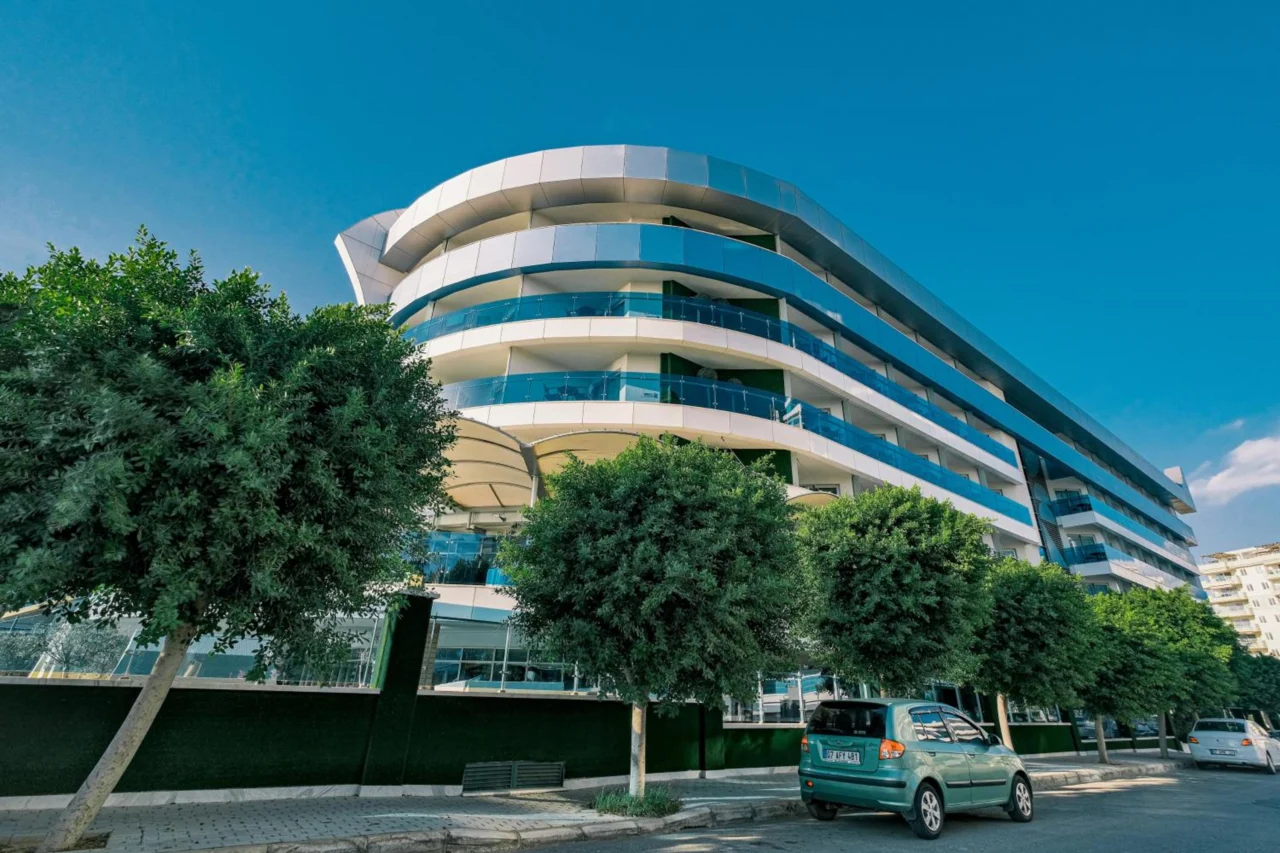
Sunprime C-Lounge Hotel – Adults Only
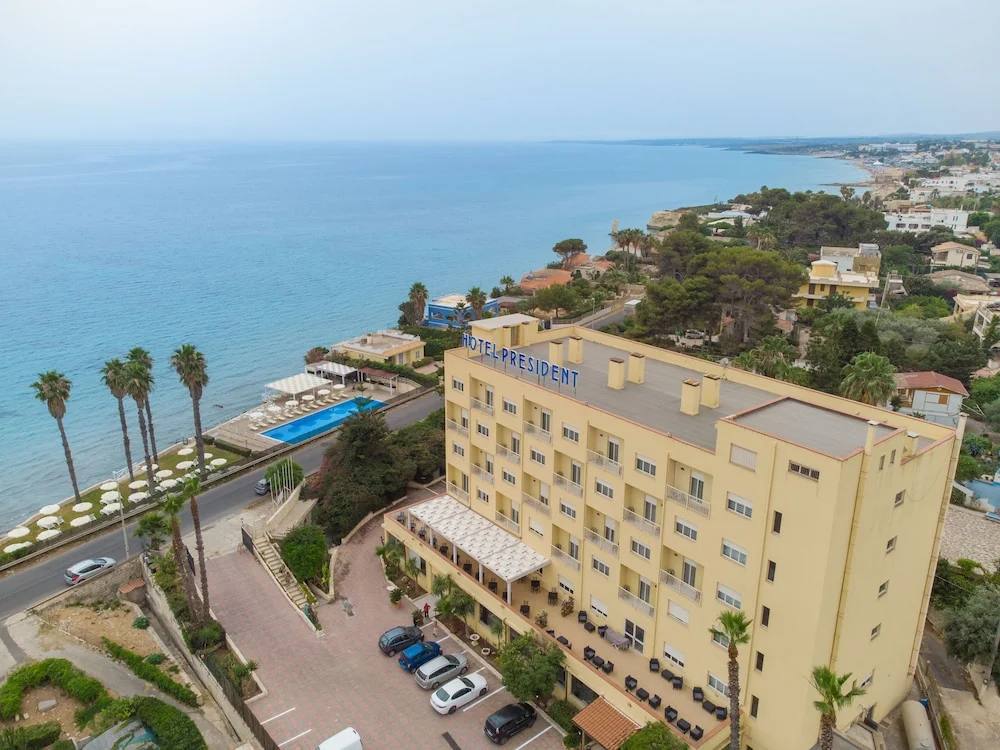
Hotel President Sea Palace
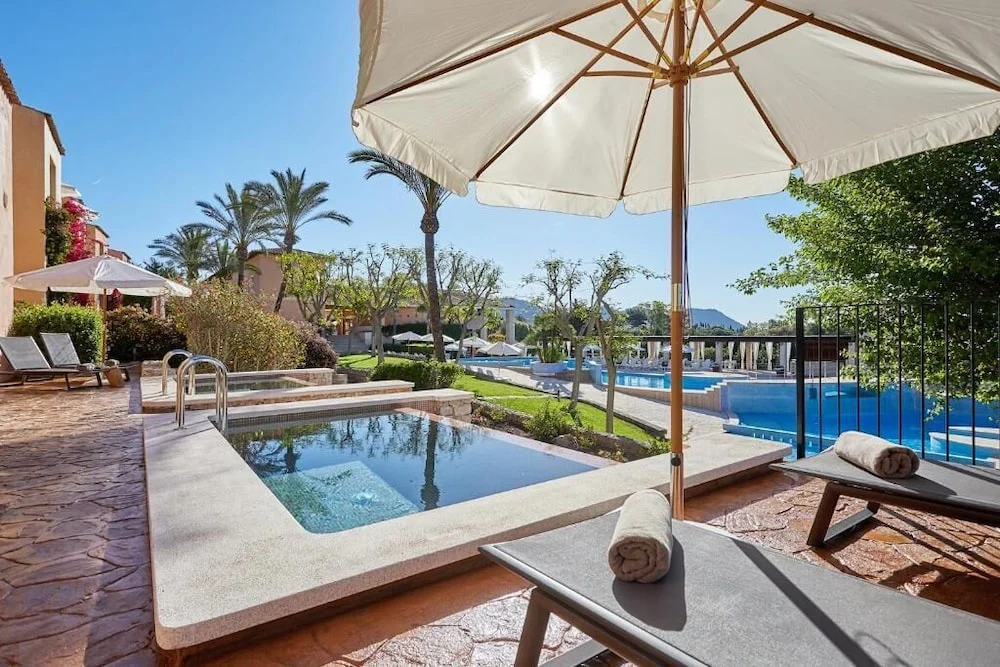
Pula Suites Boutique Resort
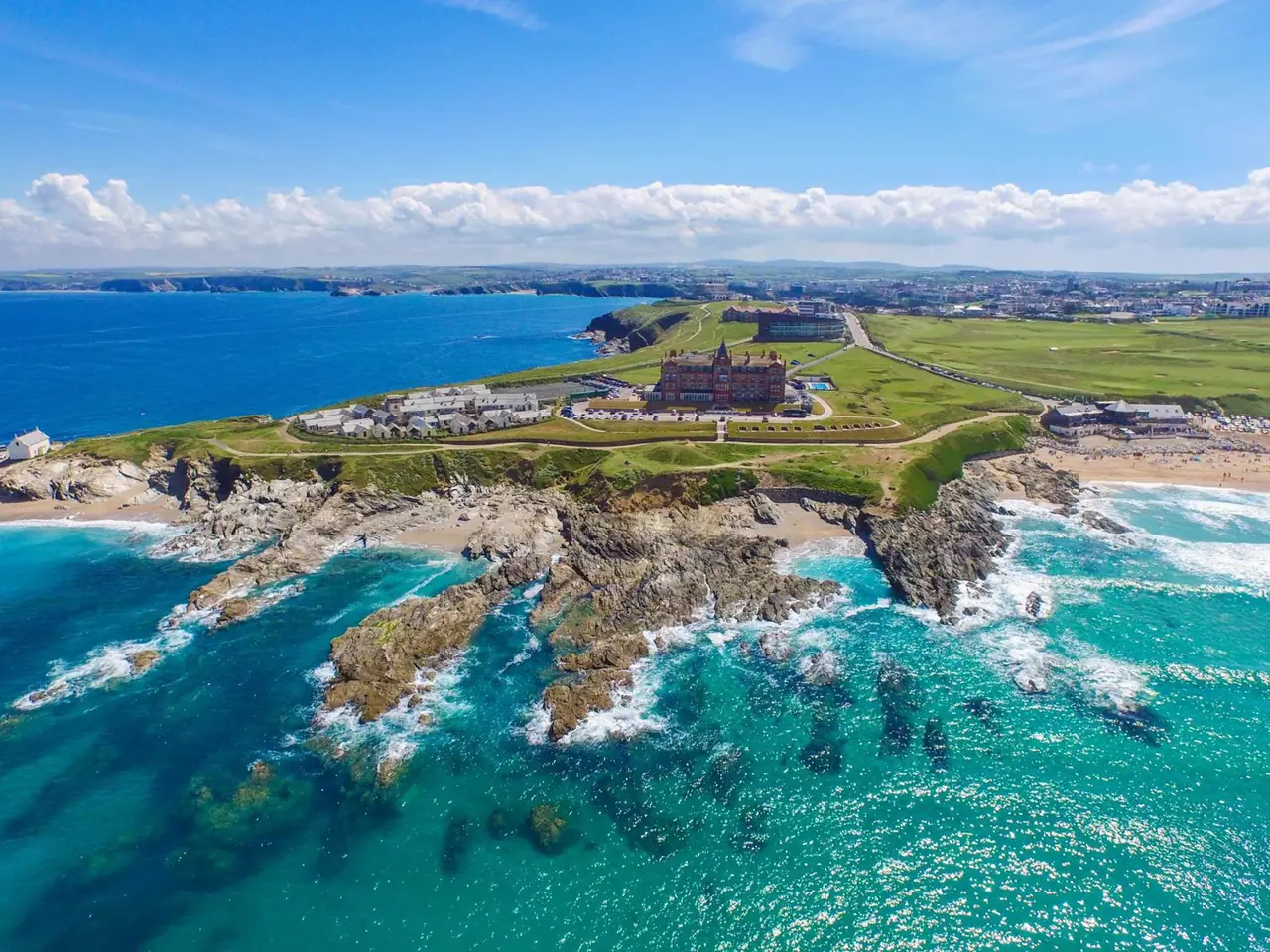
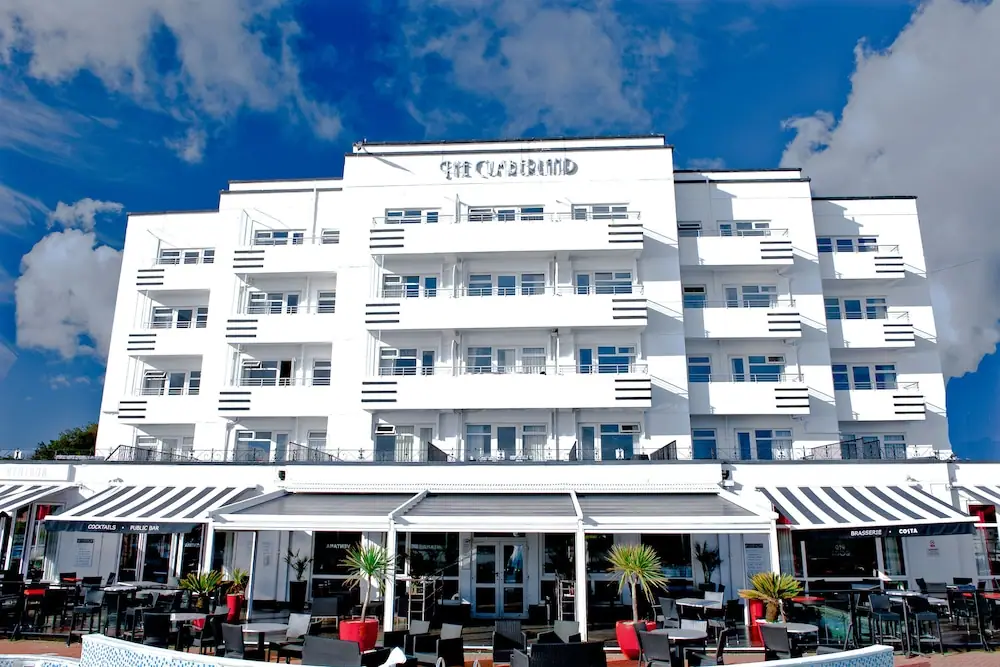
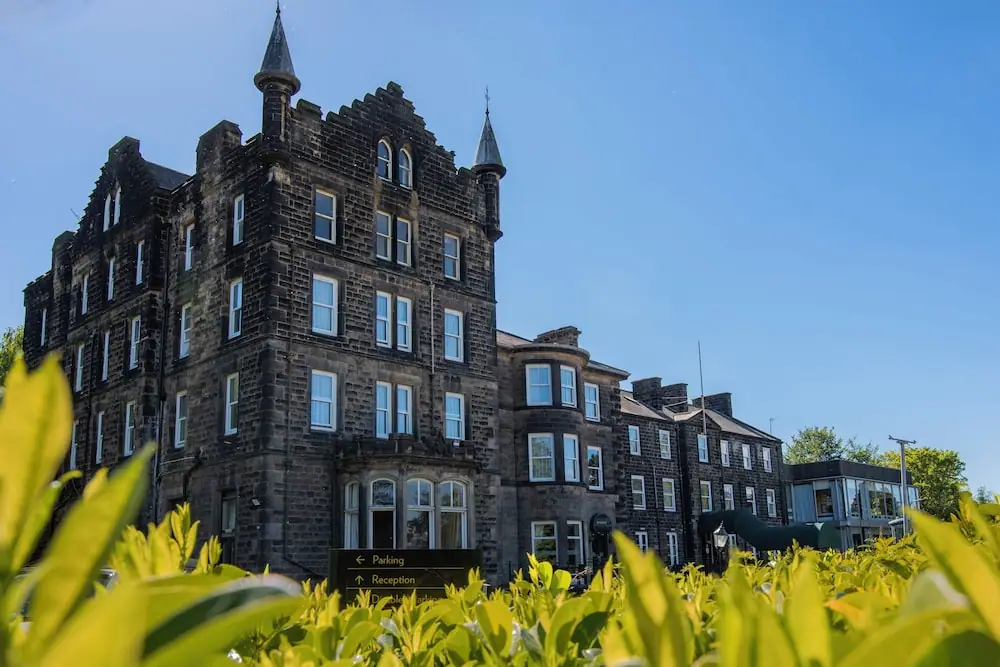






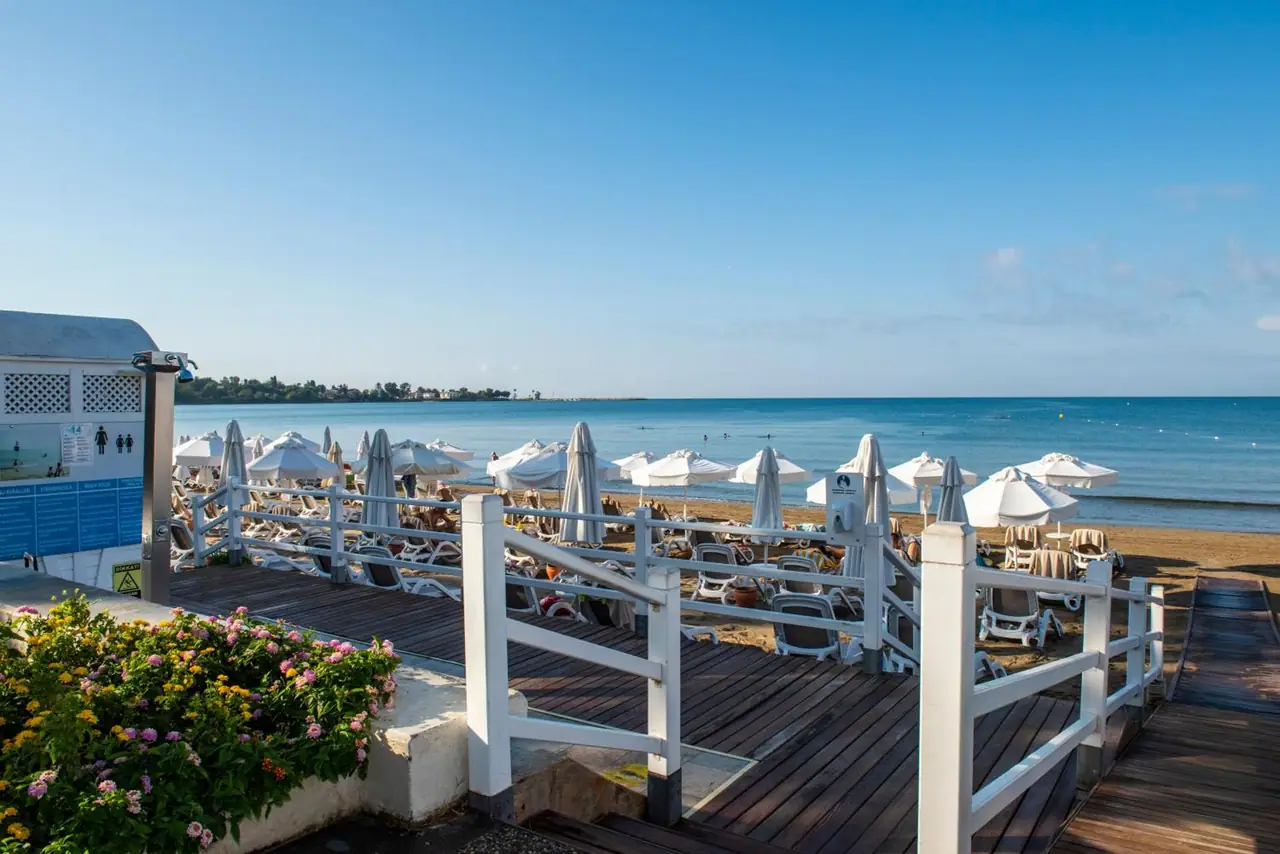
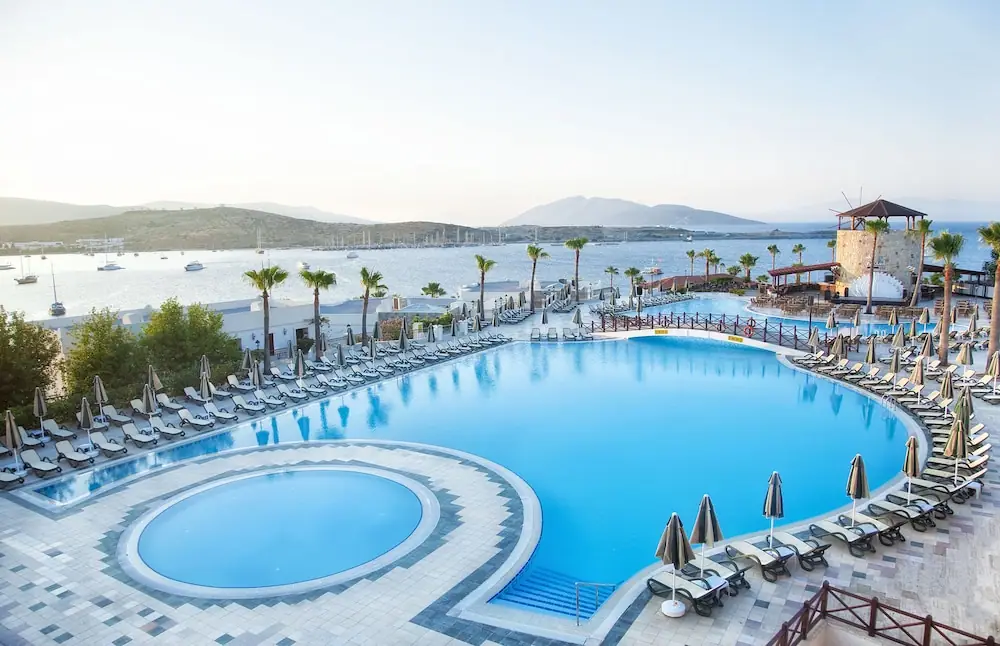
Selectum Colours Bodrum

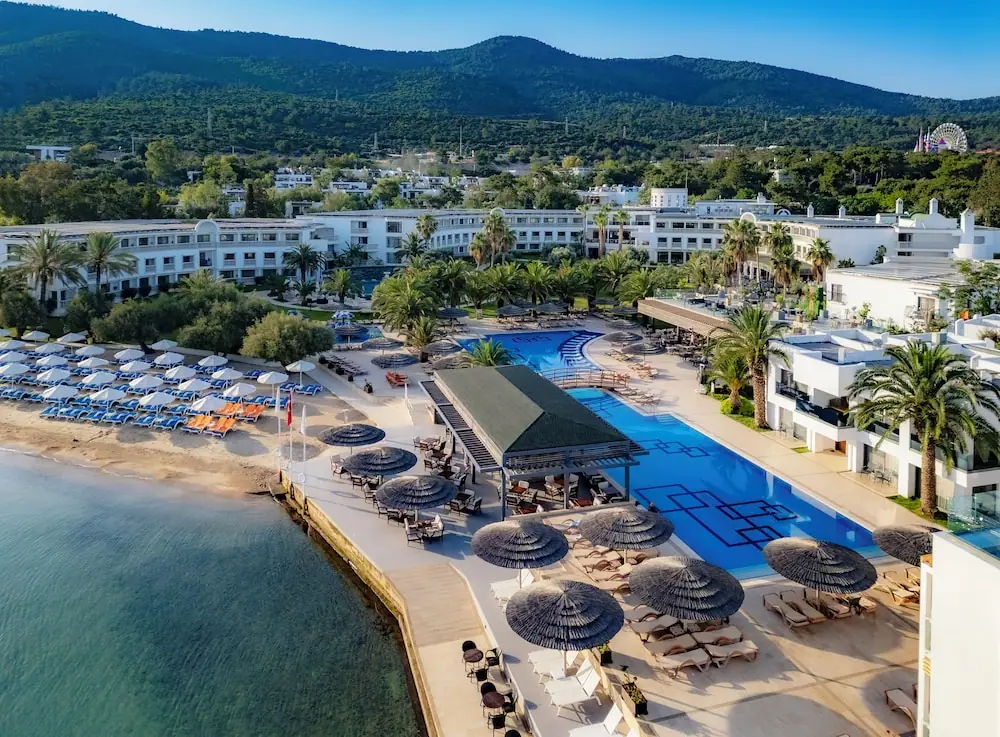
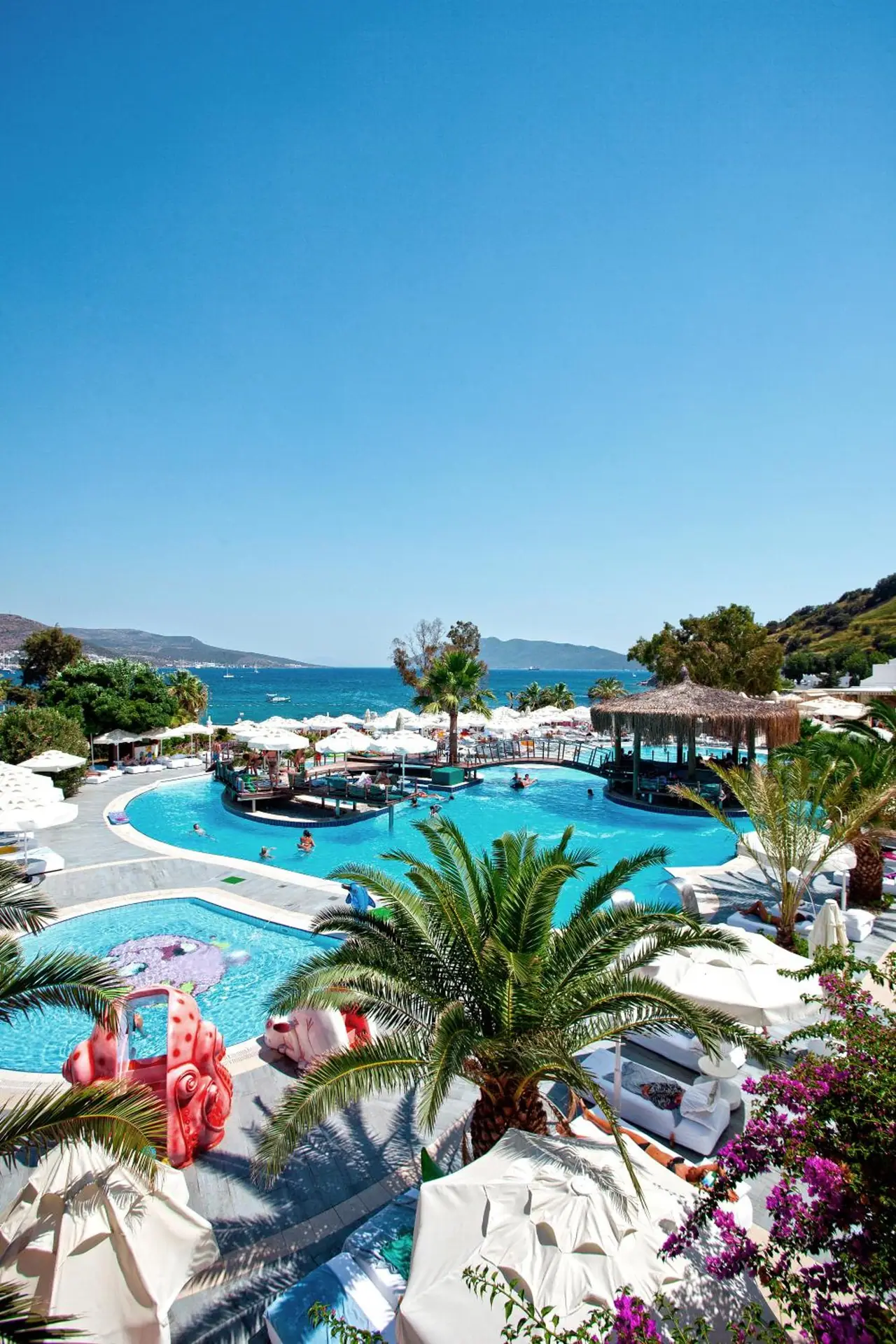
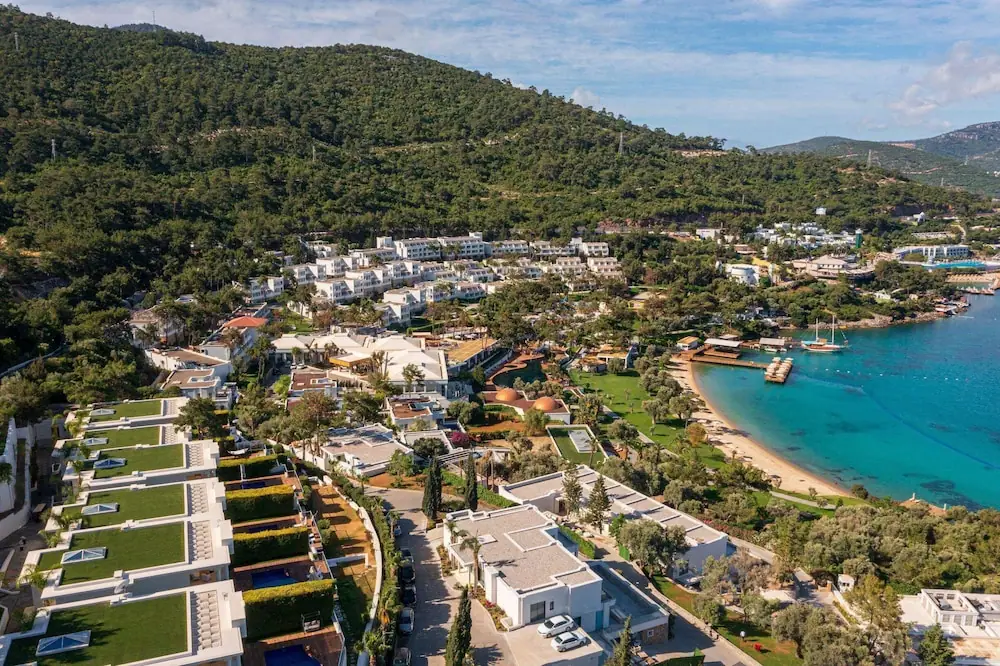
Rixos Premium Bodrum
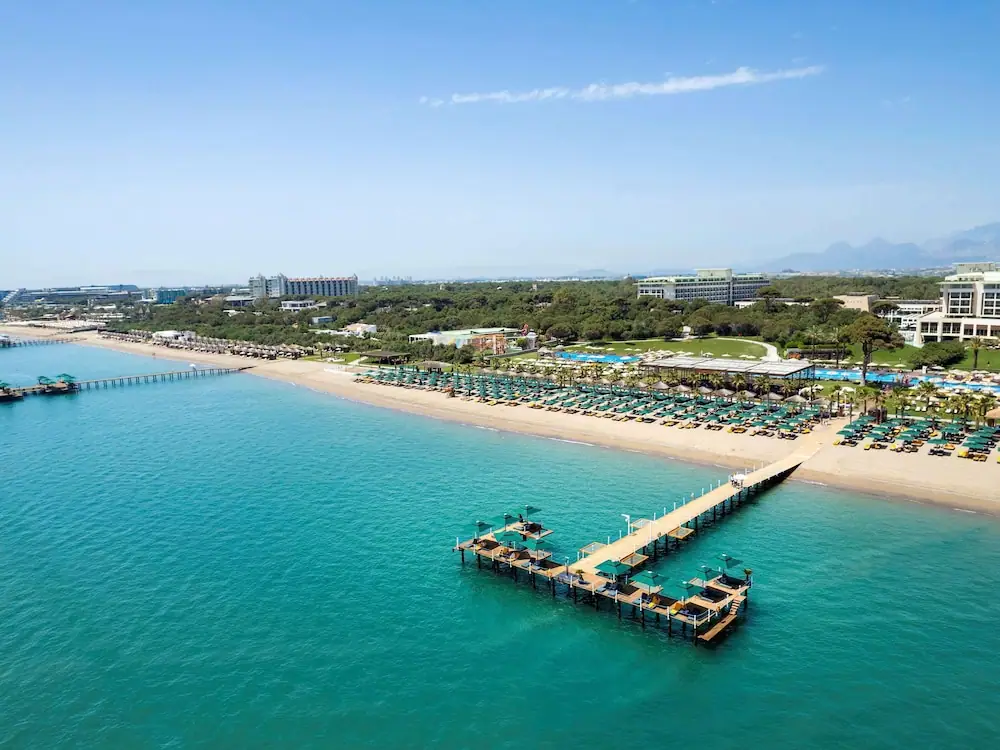
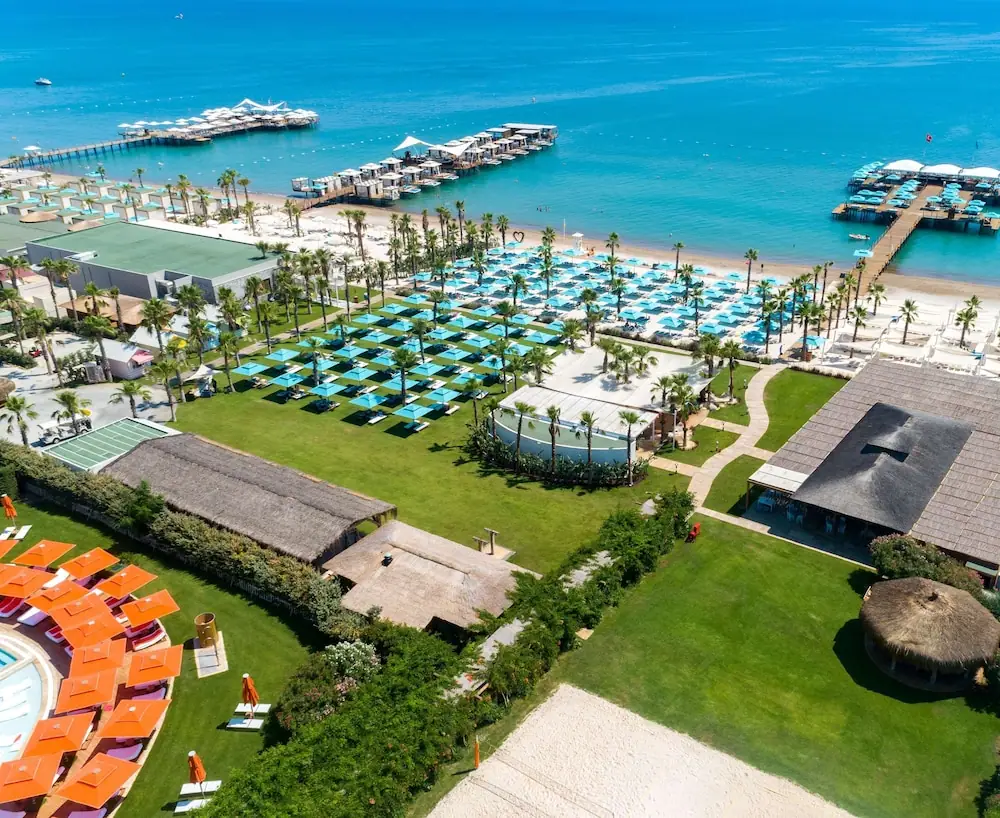
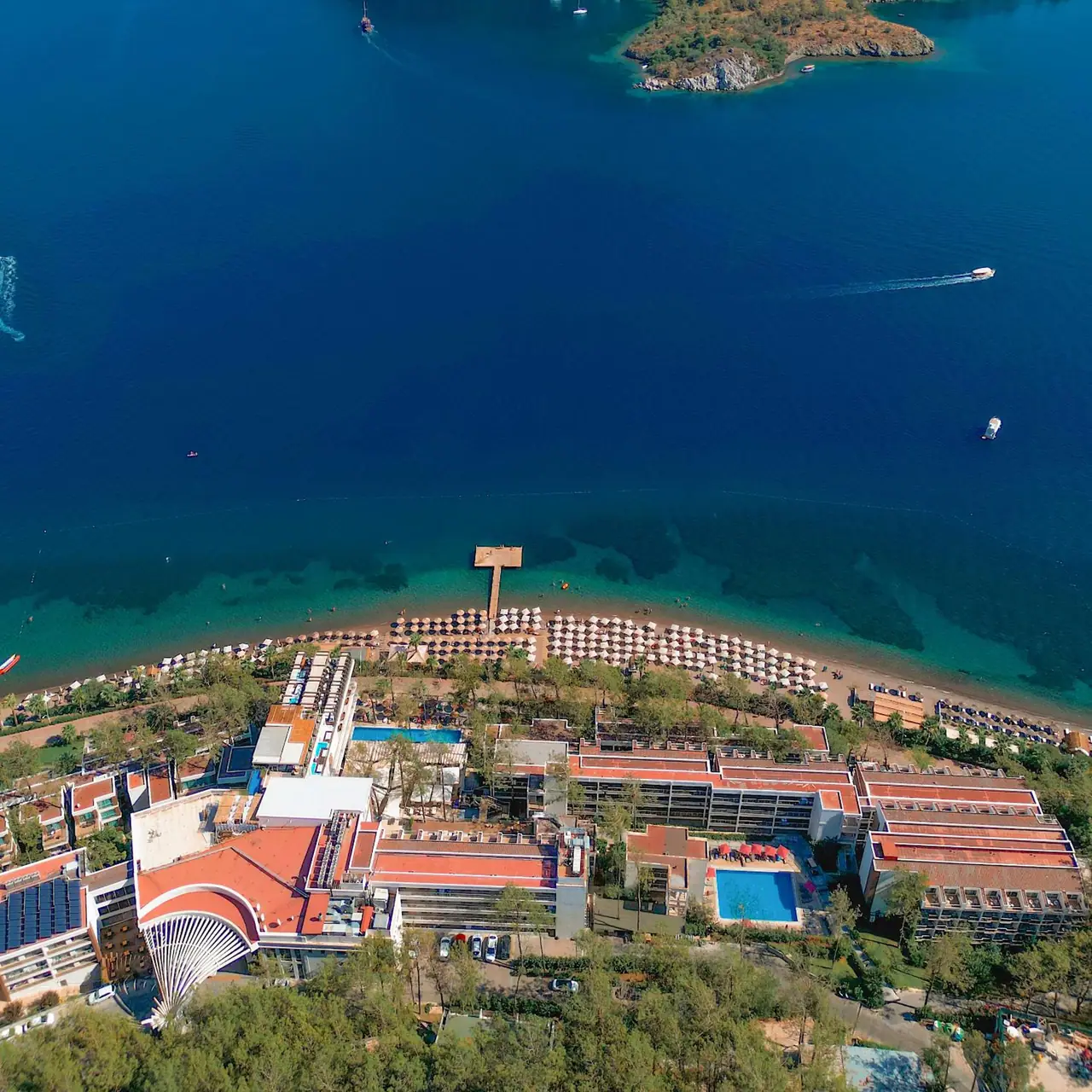









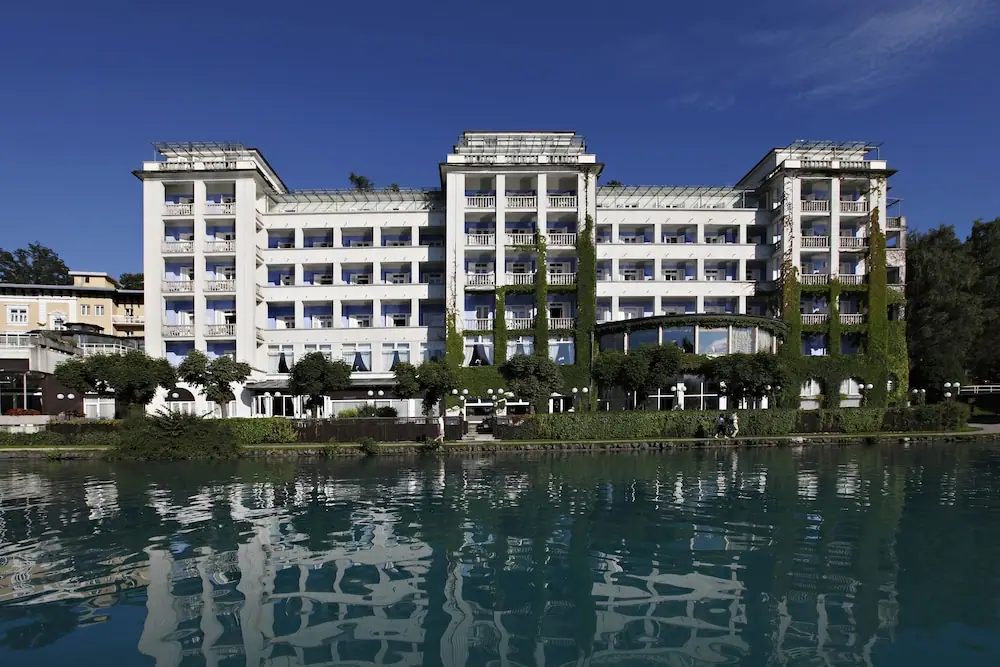
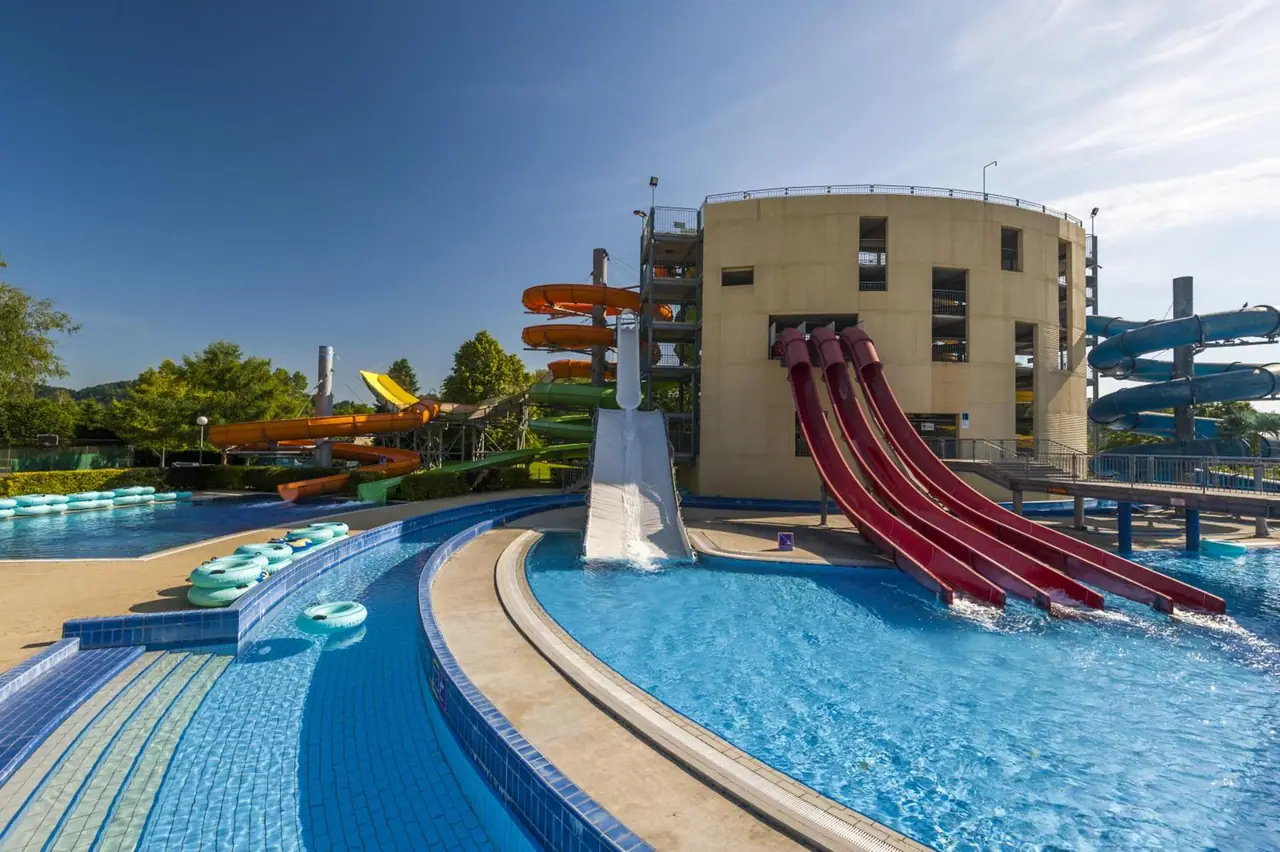
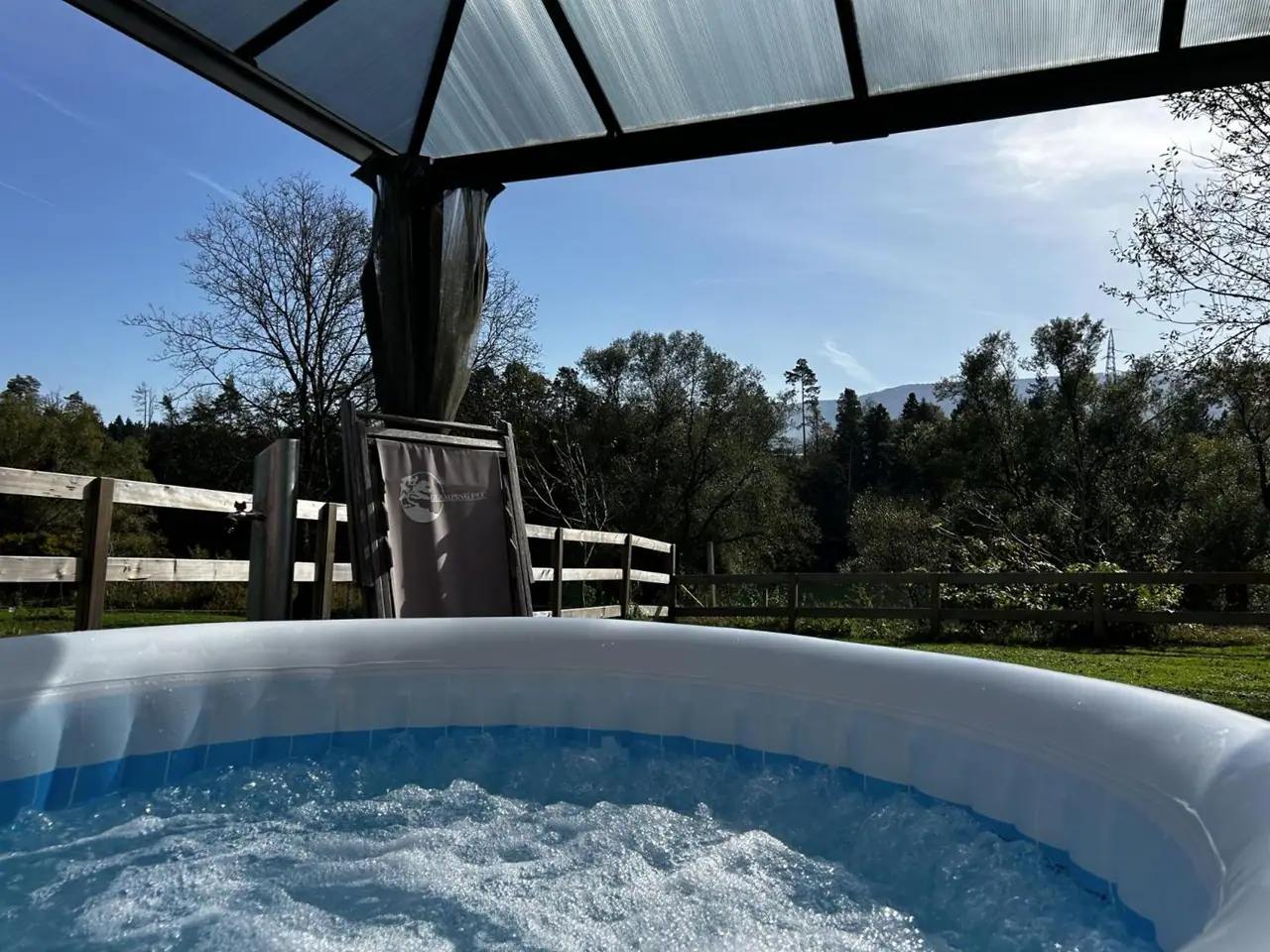
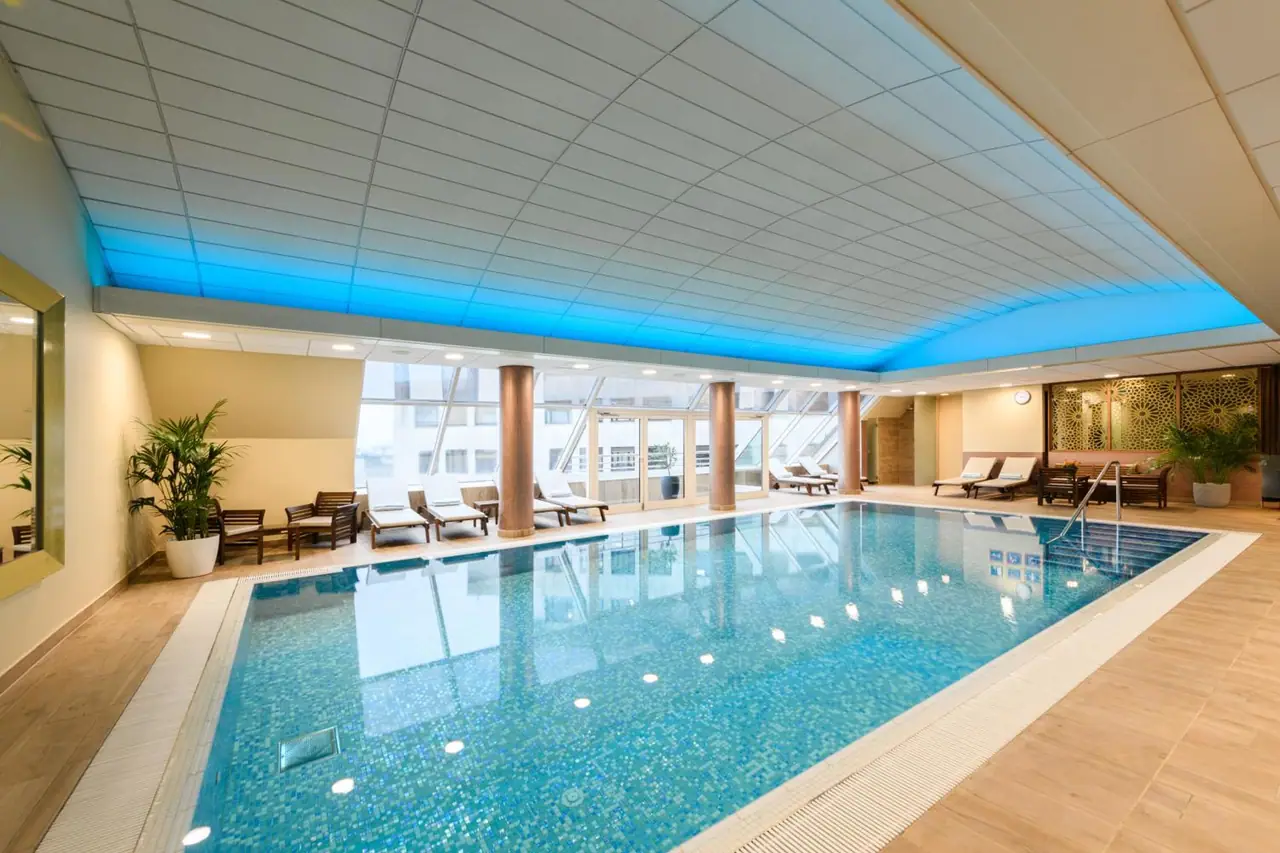


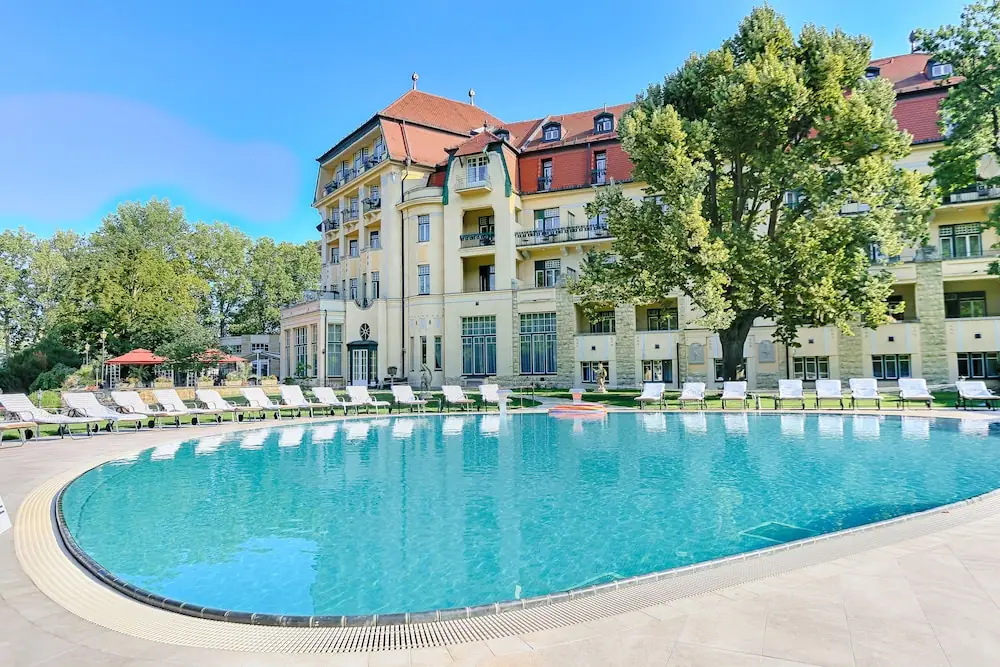
Ensana Thermia Palace


Hotel Majestic Olimp


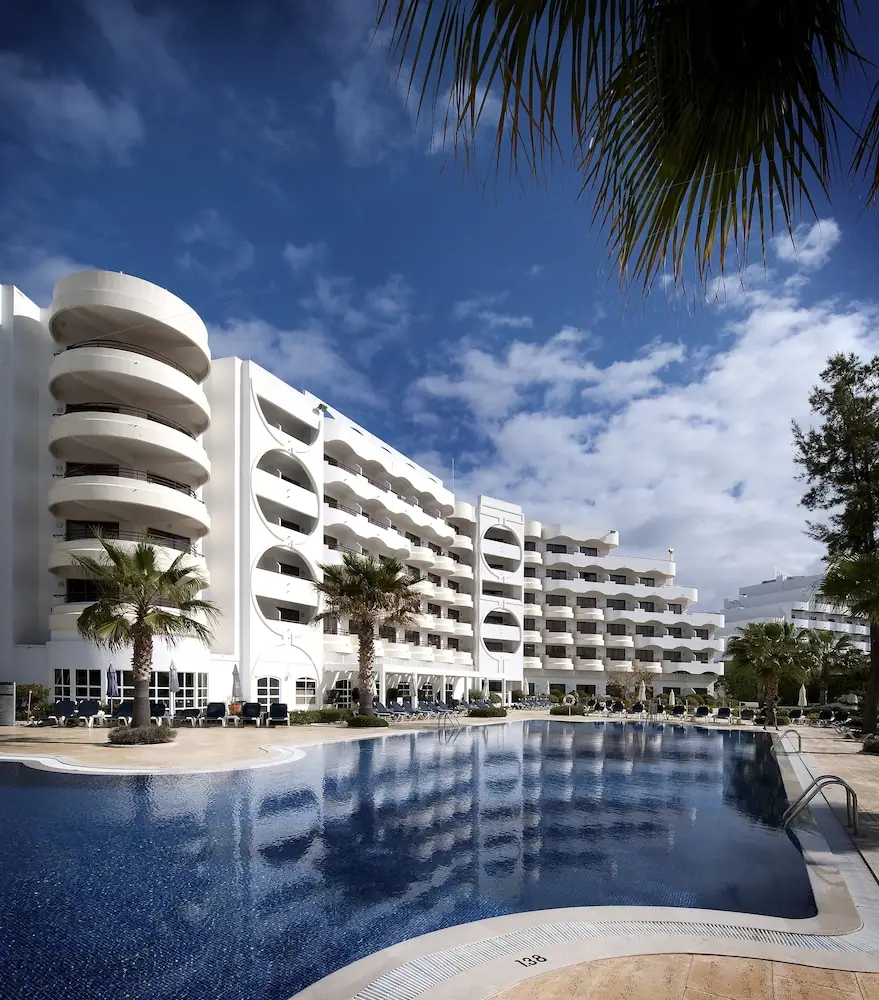
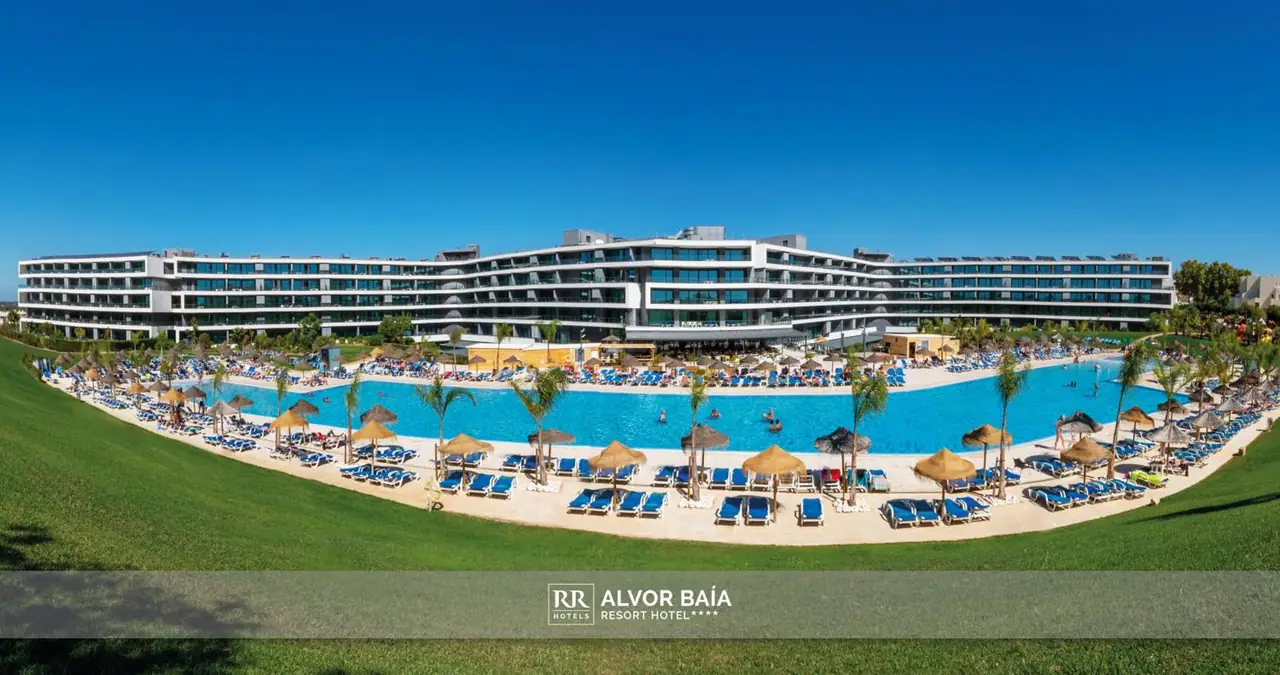
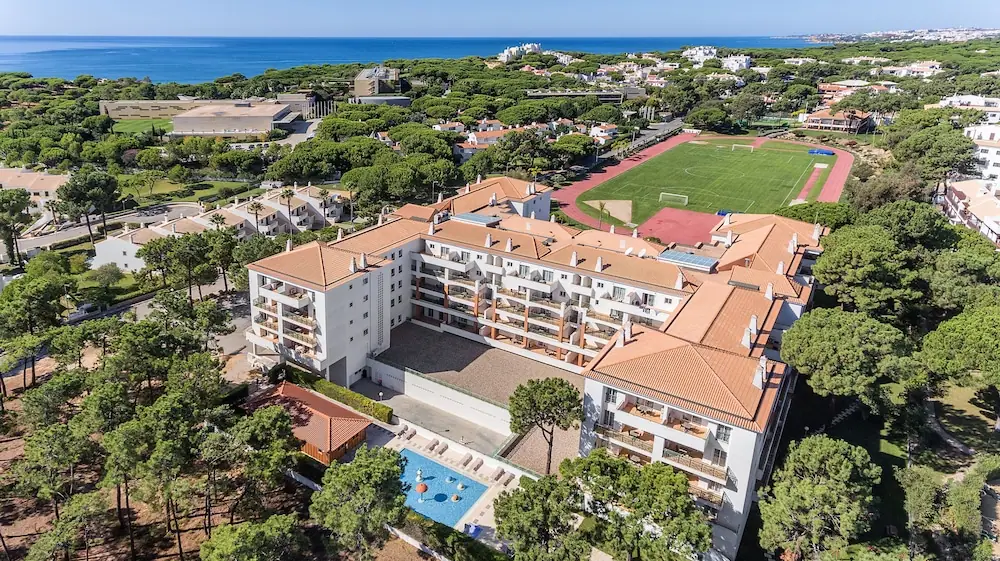
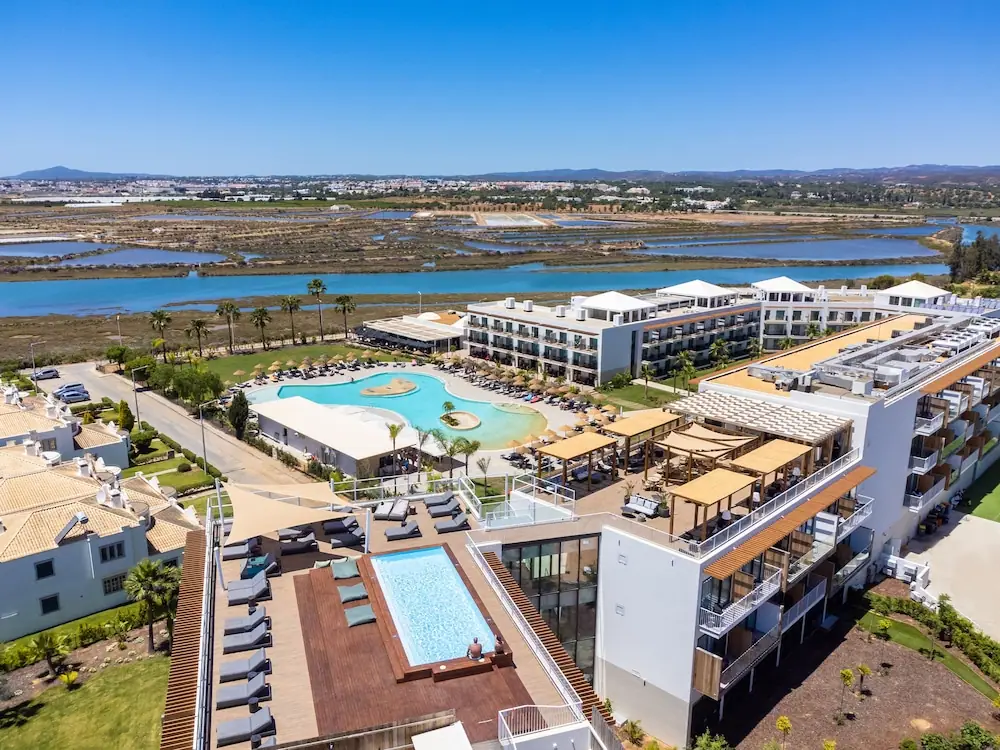






Santana Hotel


Canifor Hotel









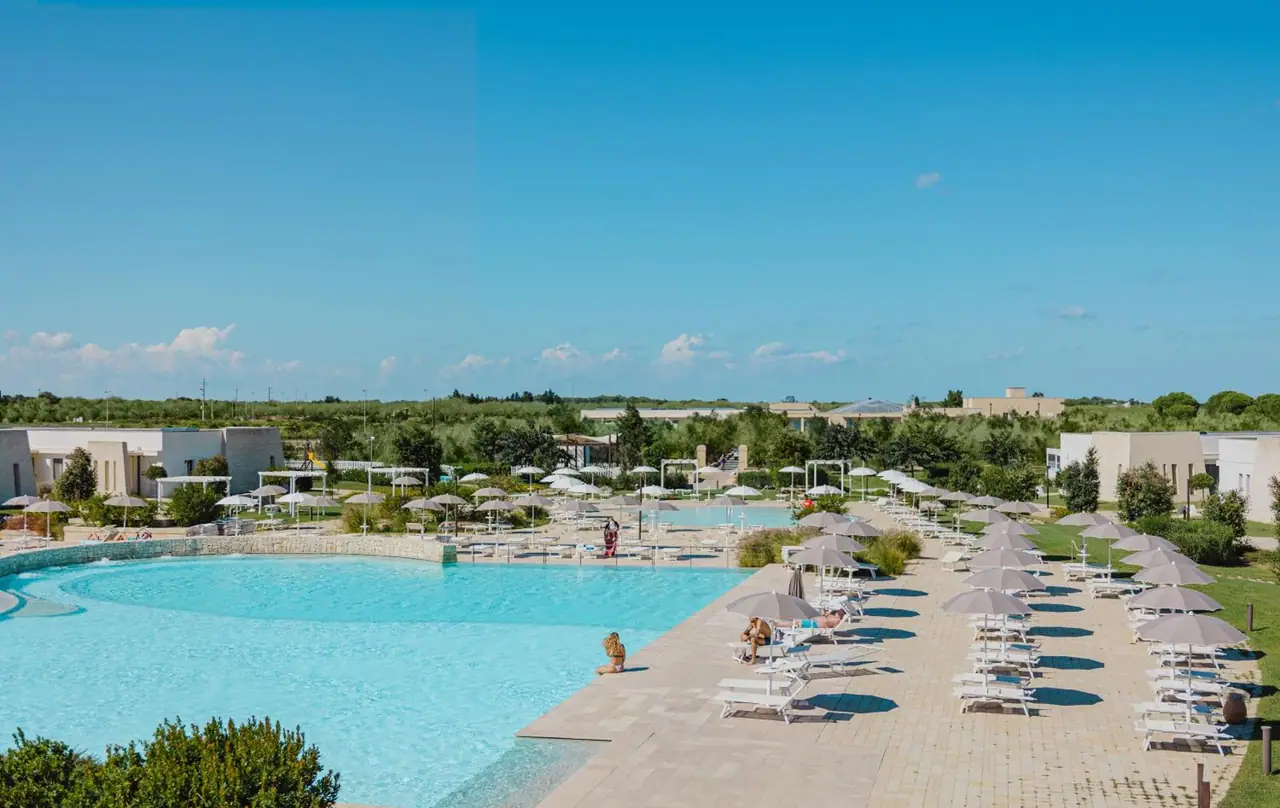
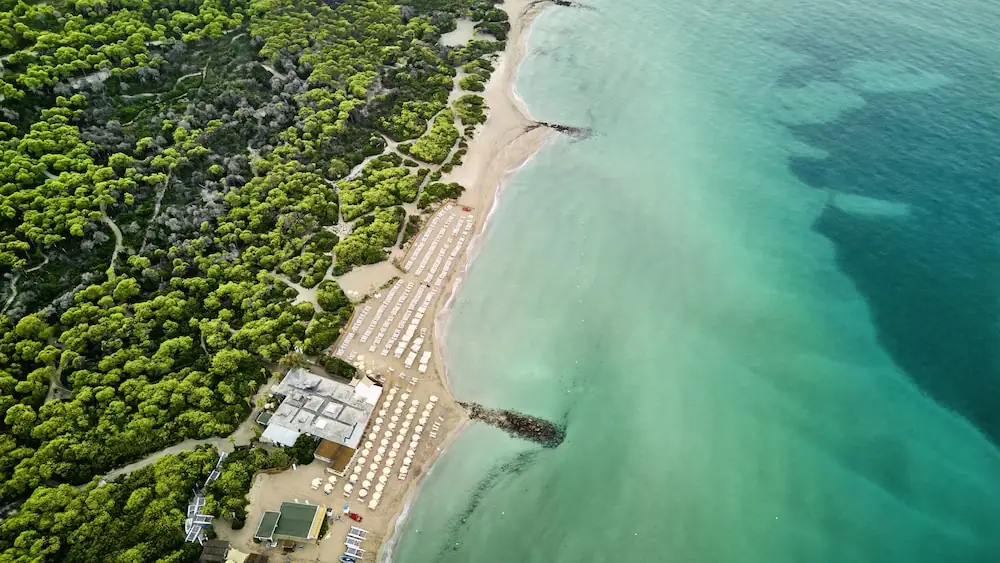
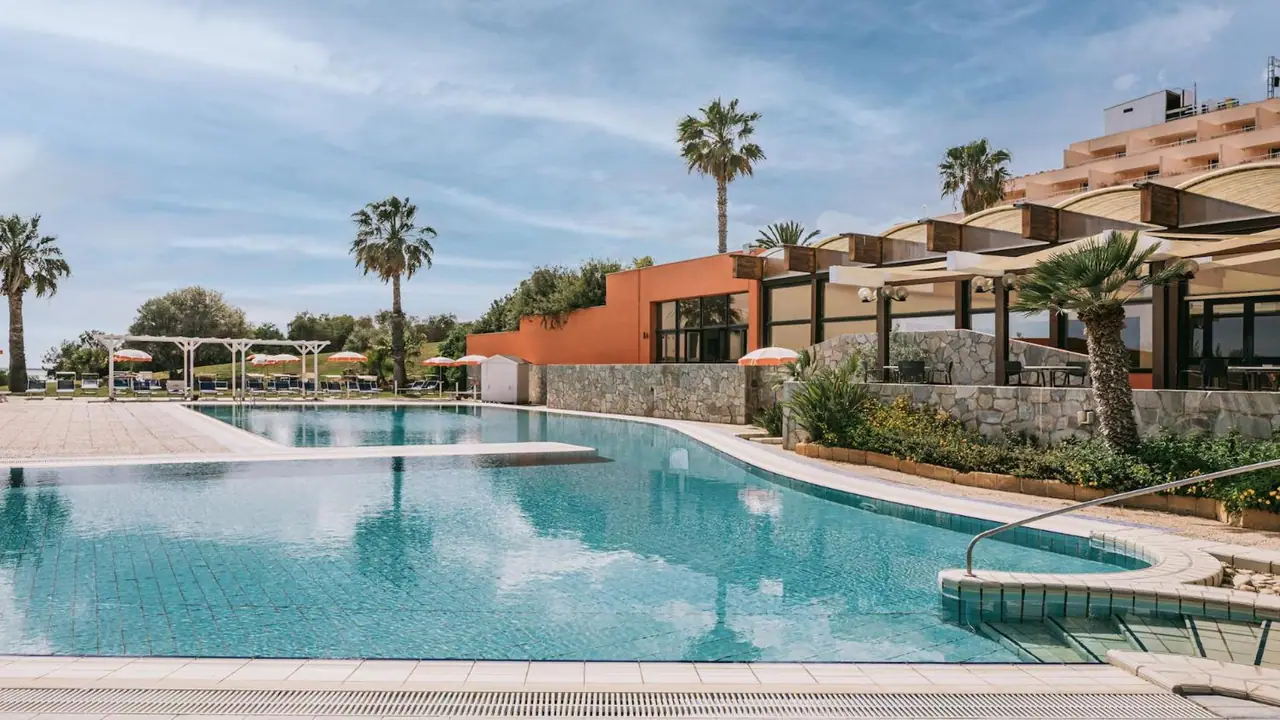
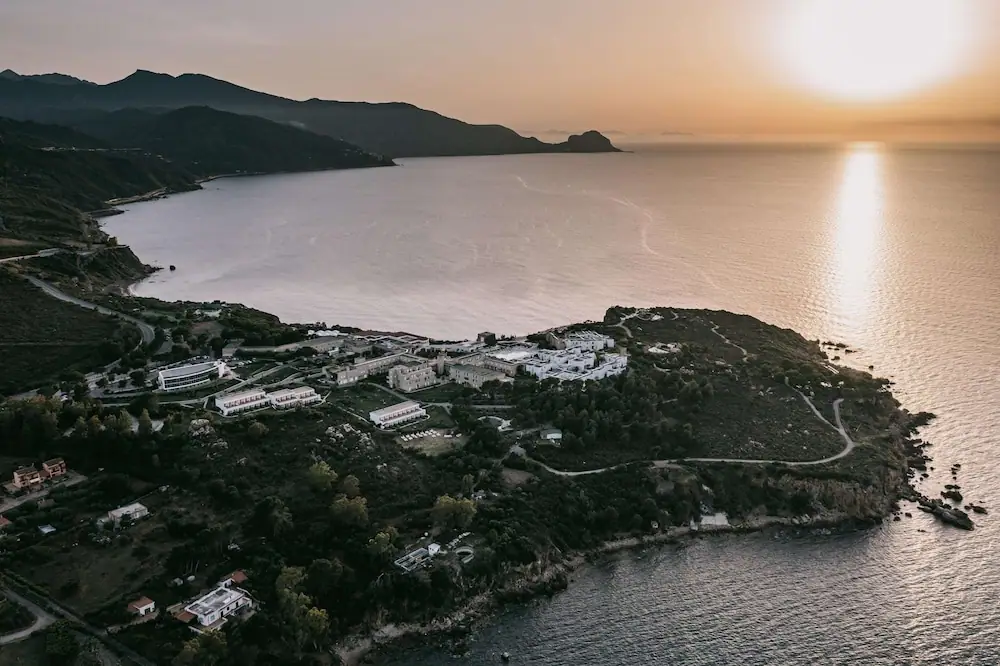

Il San Corrado di Noto
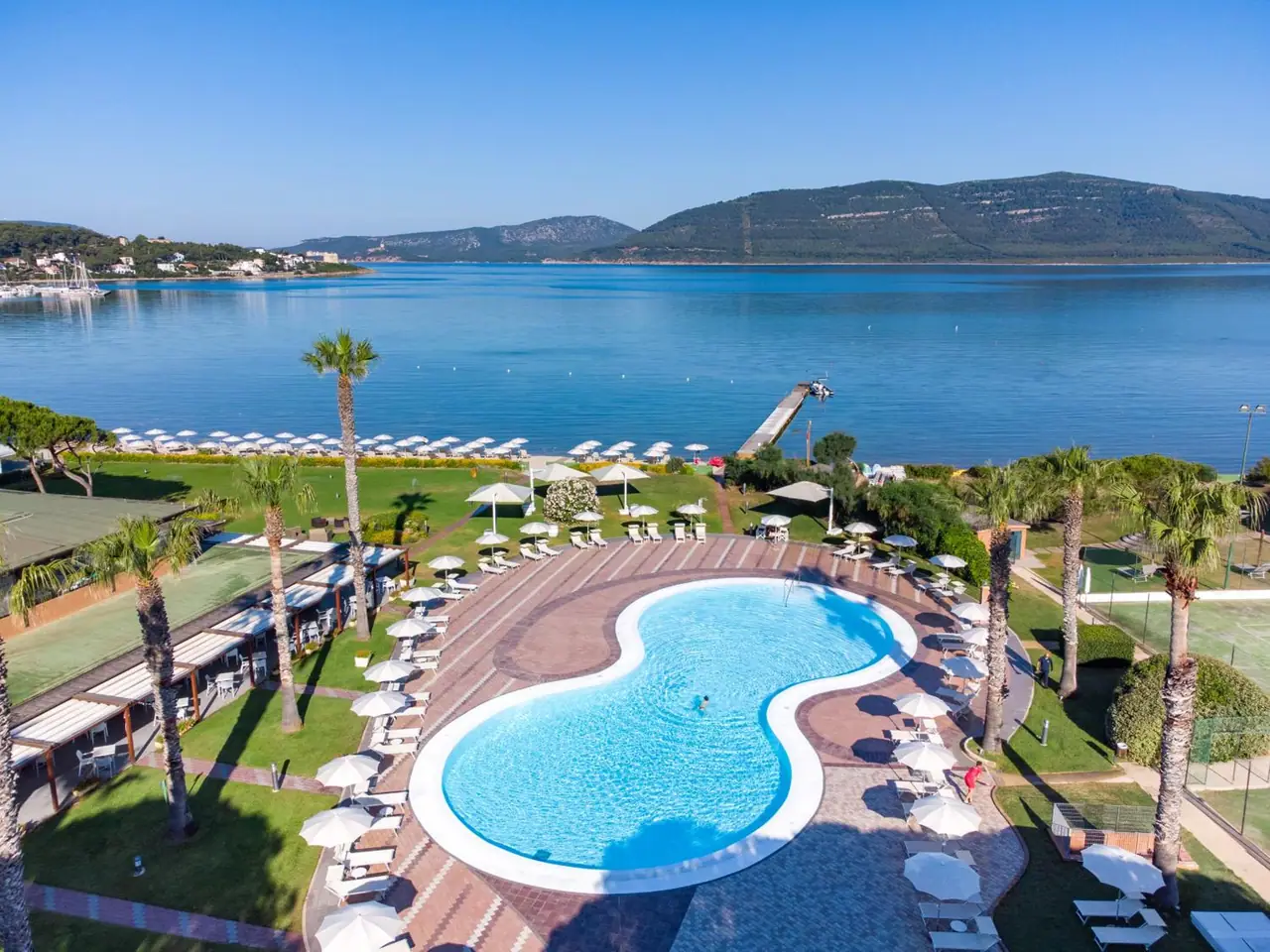
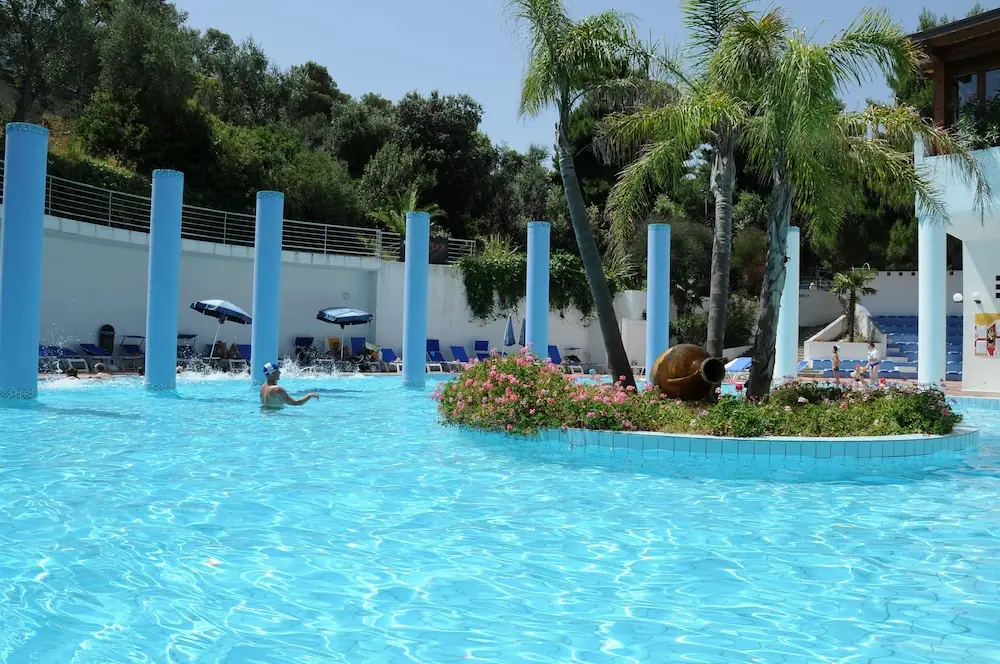


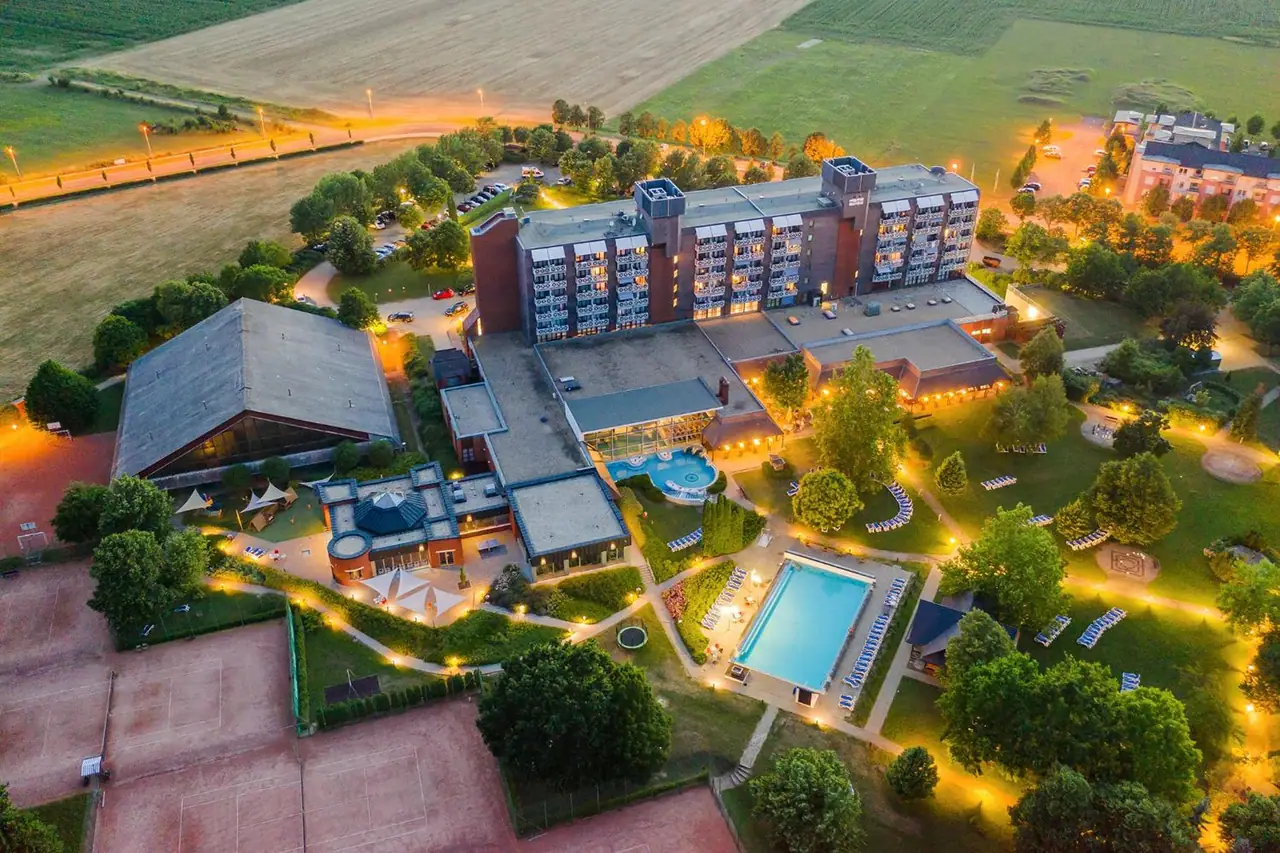
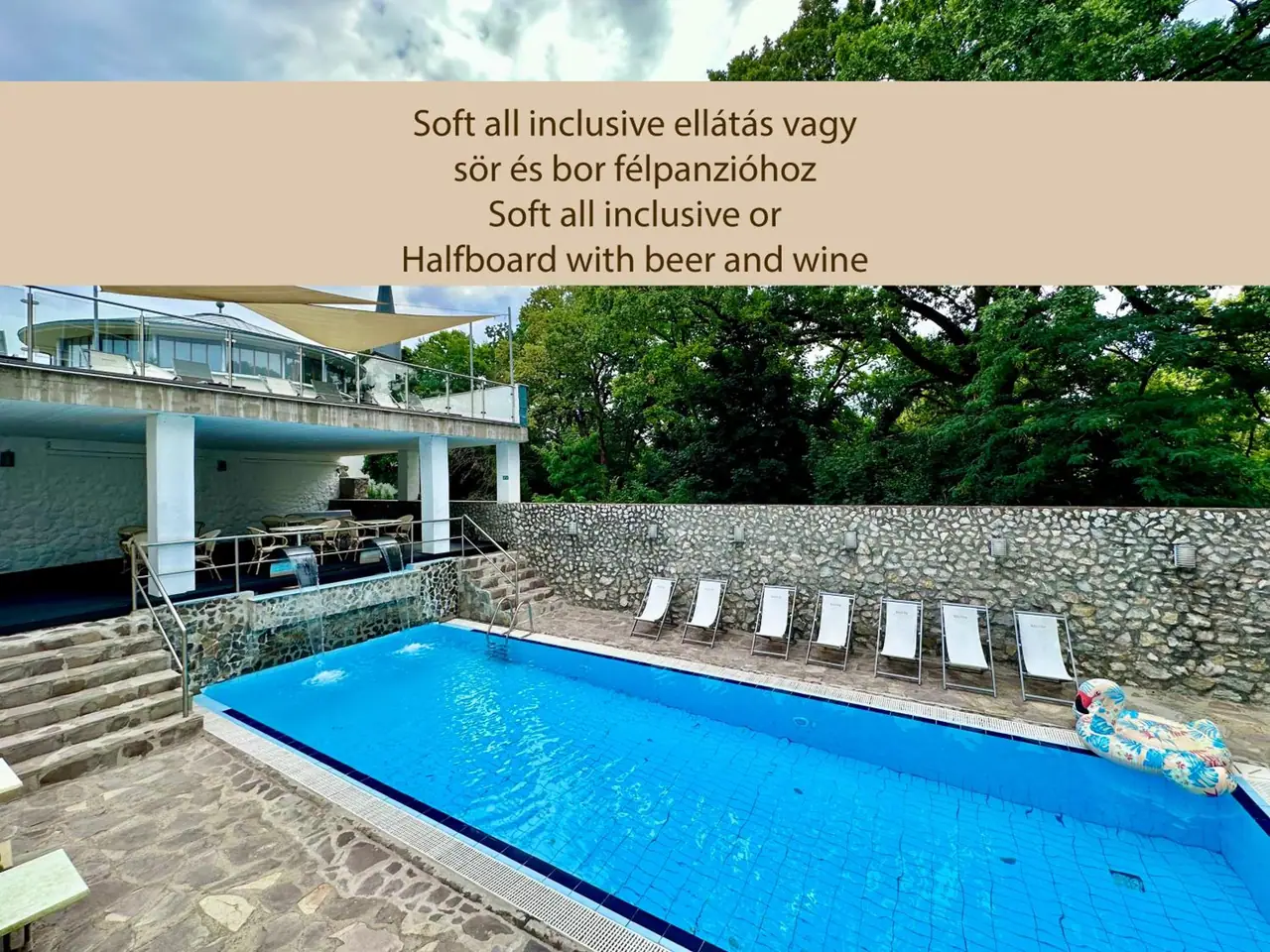
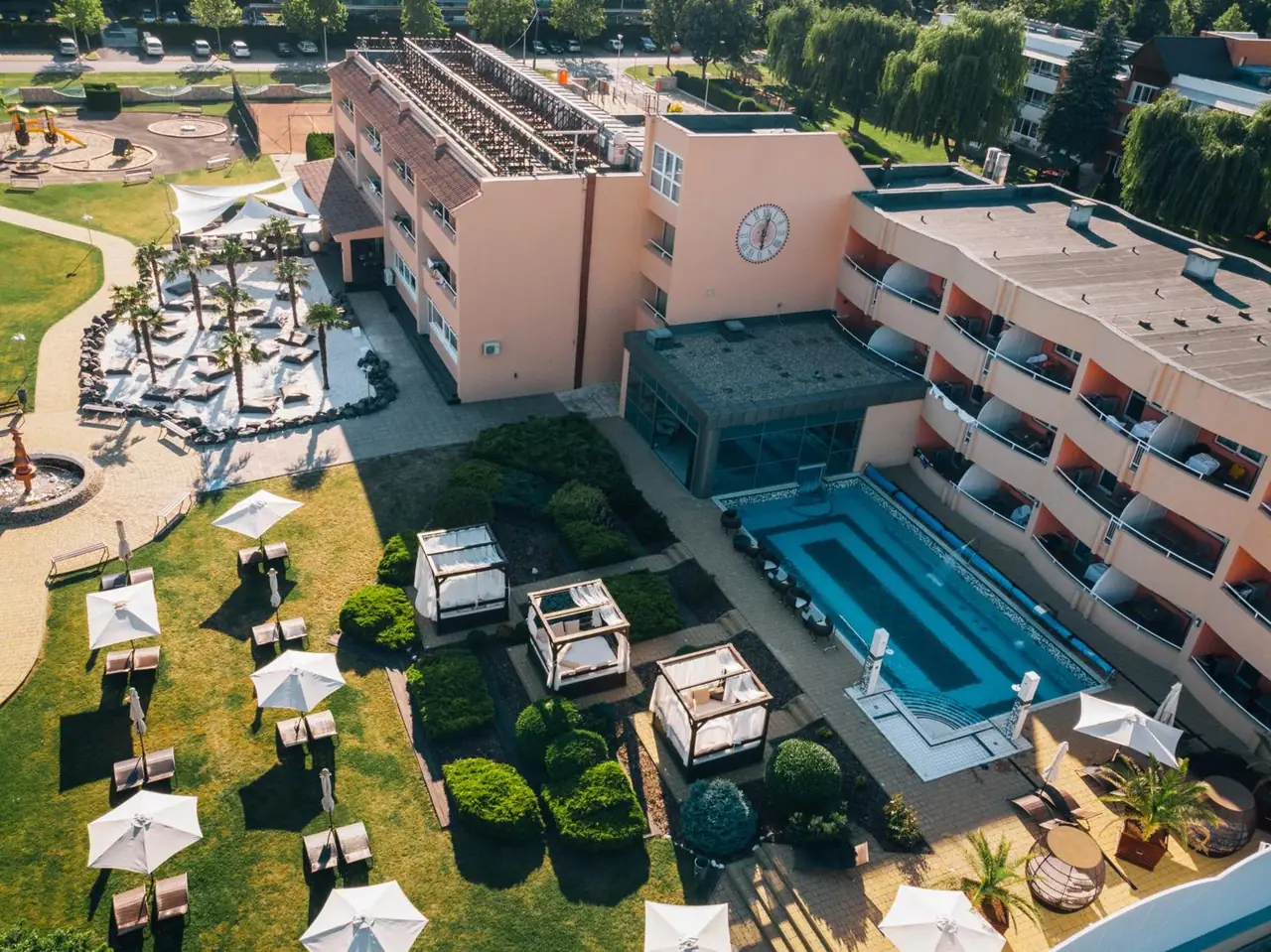

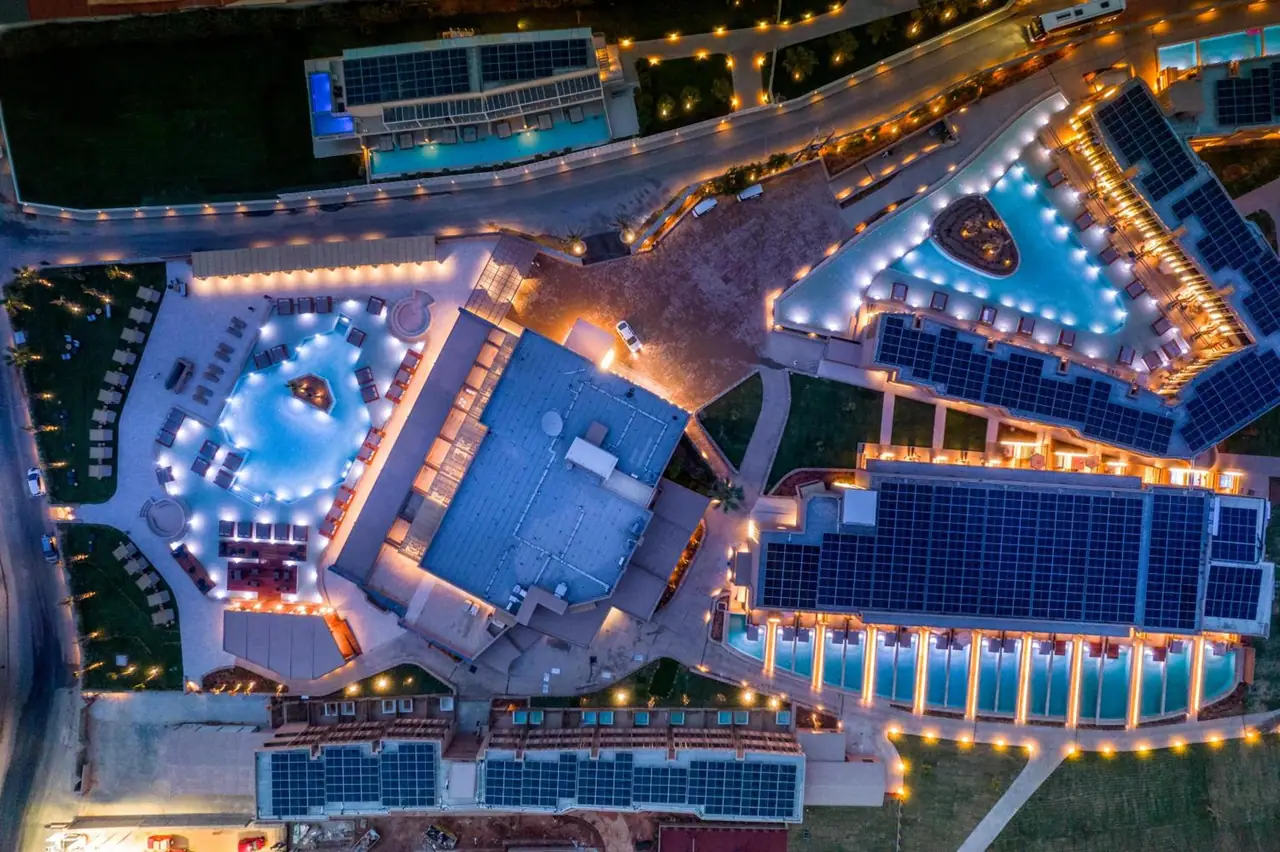


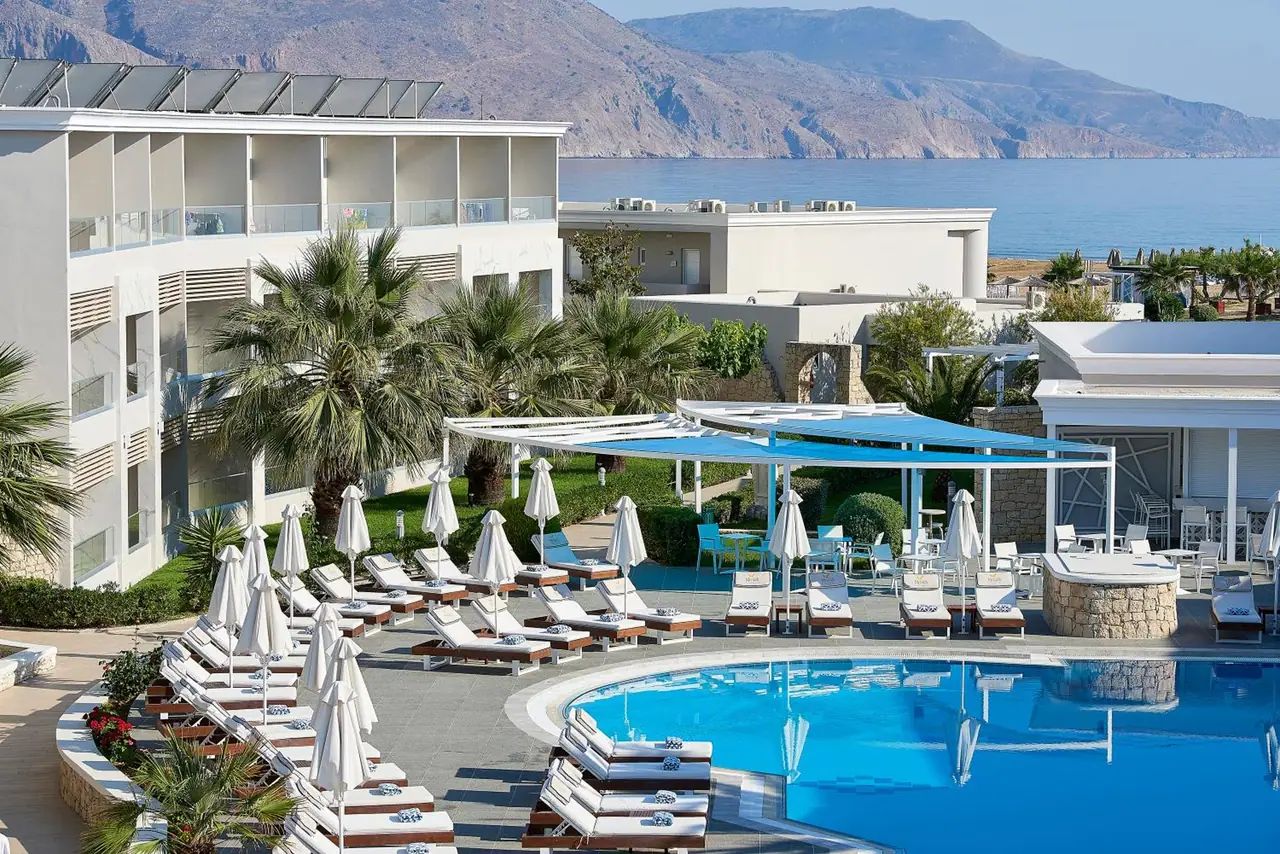
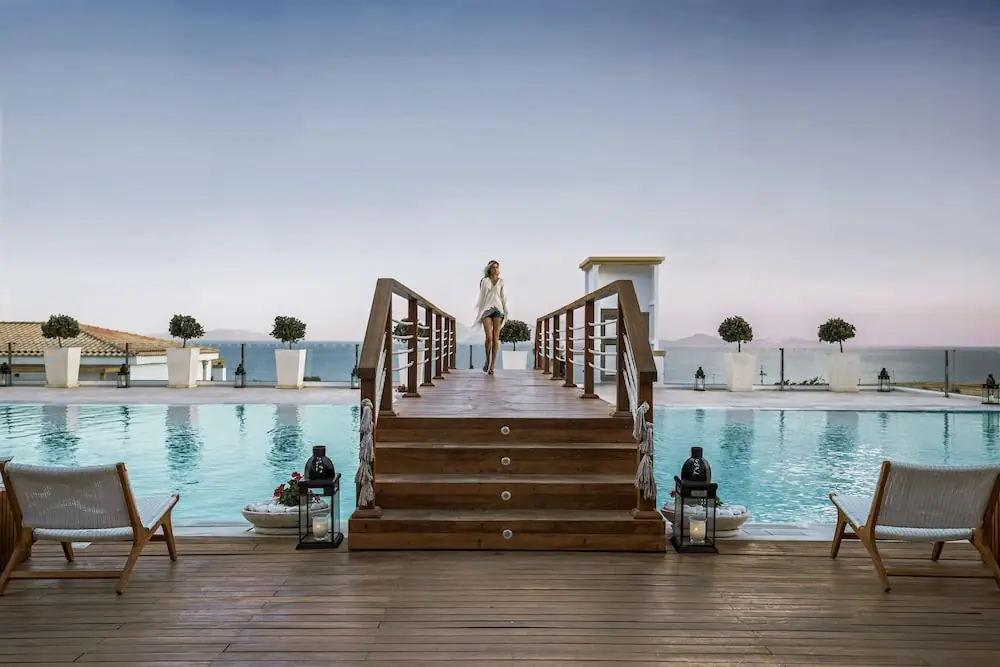
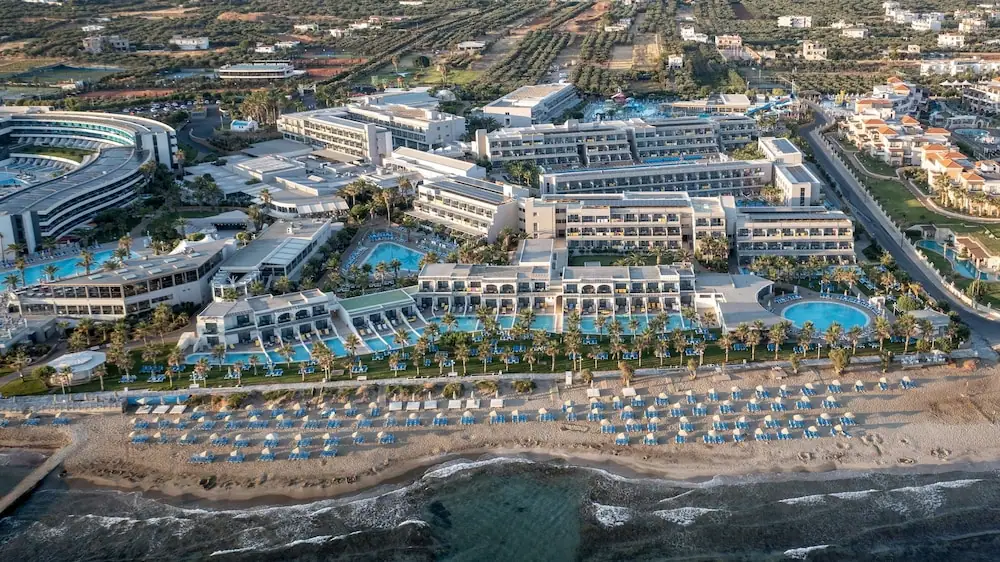
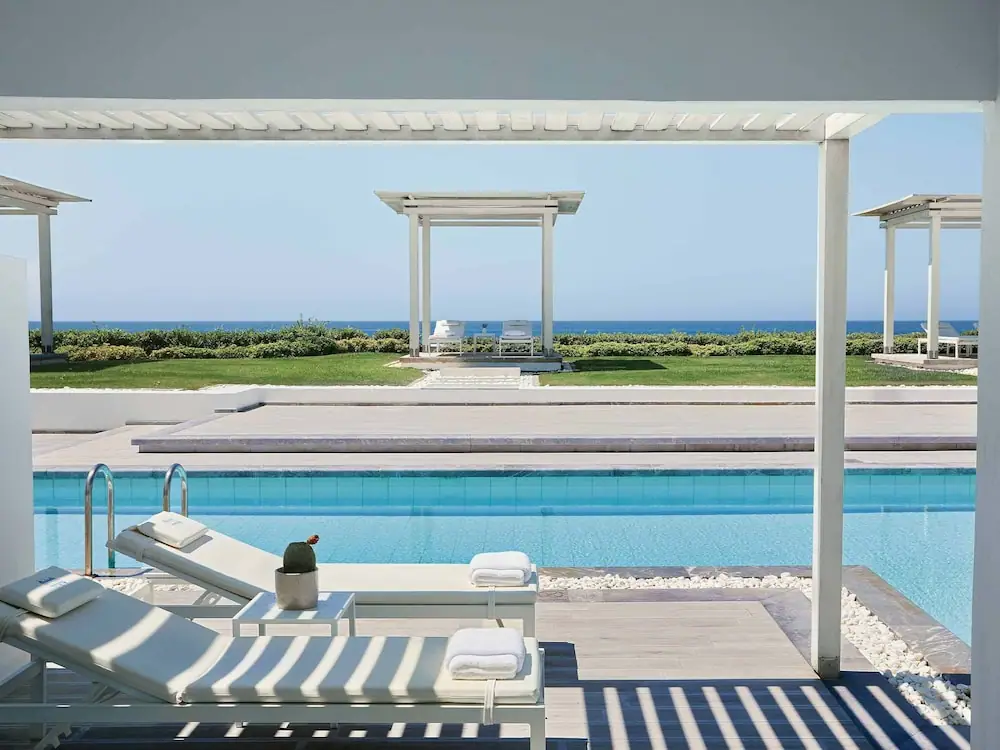
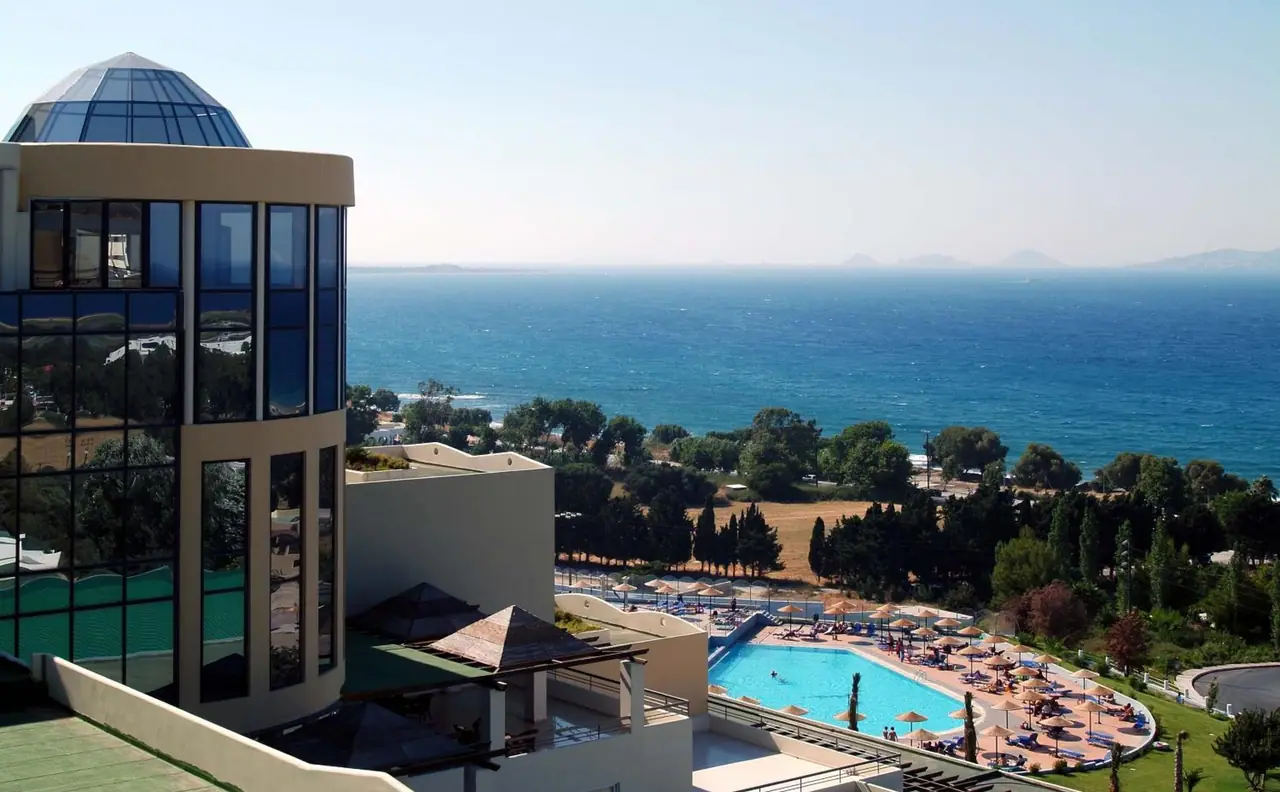
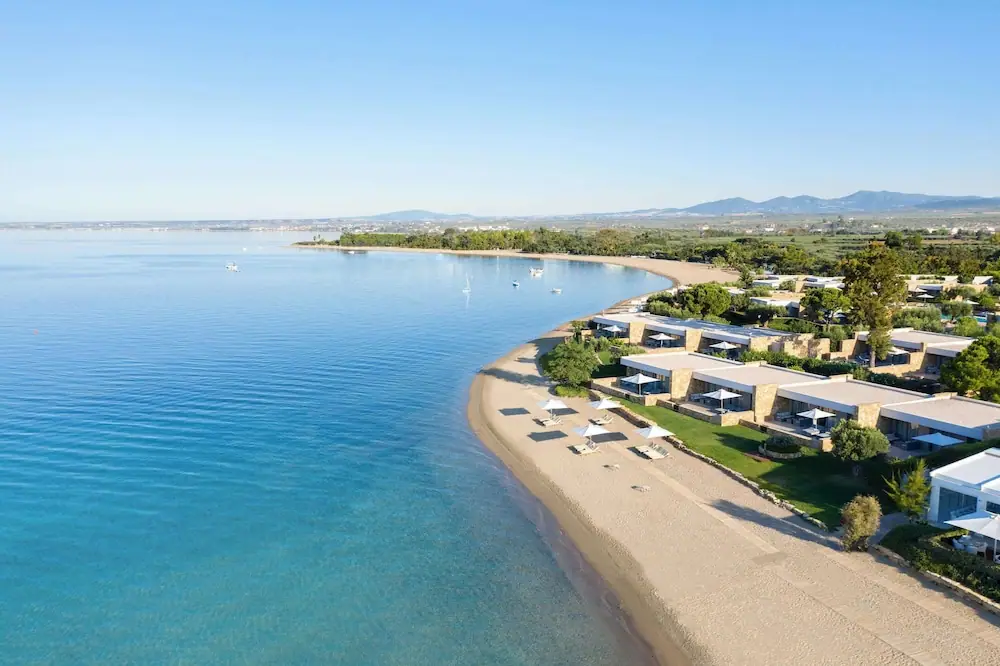
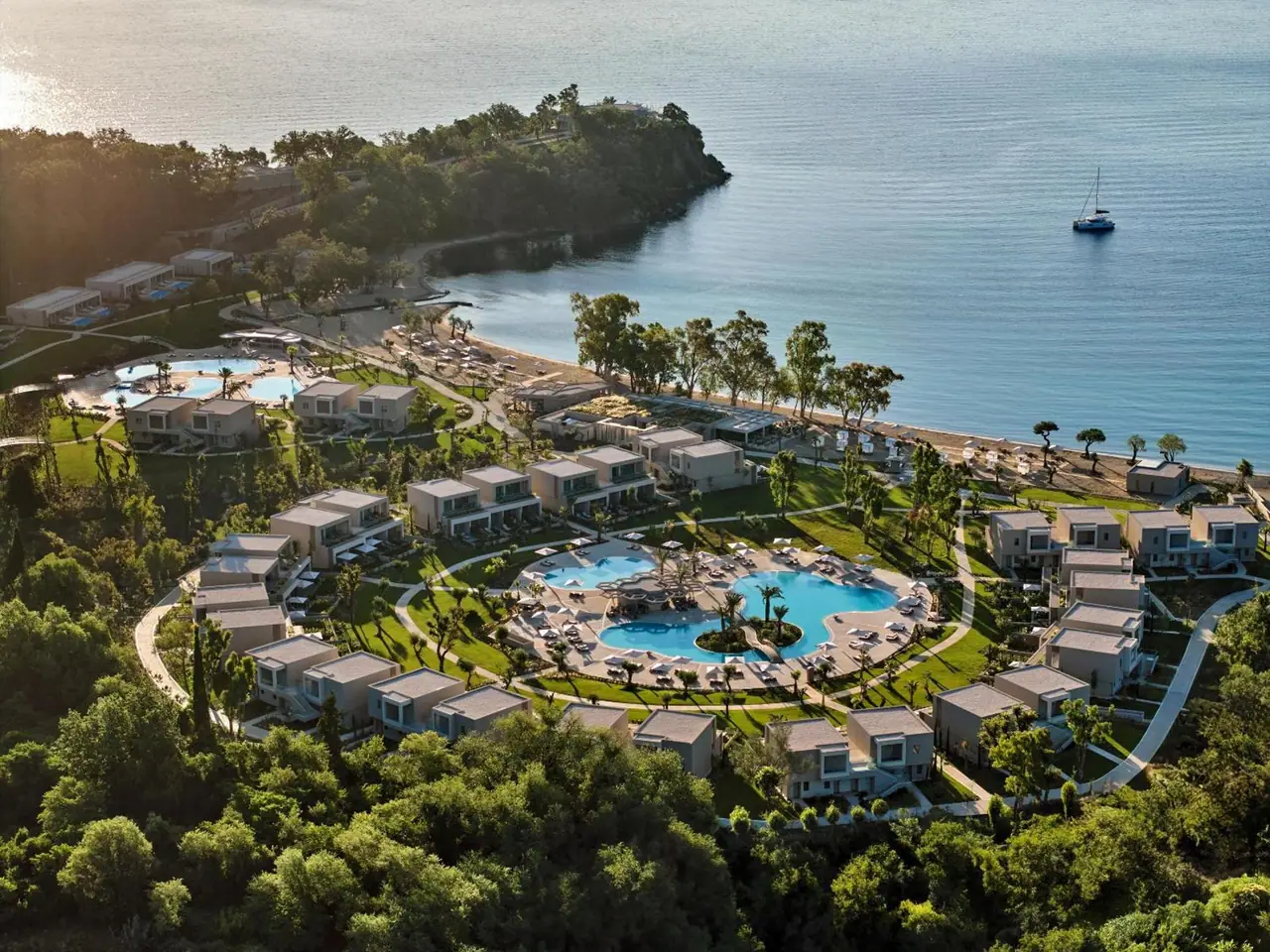
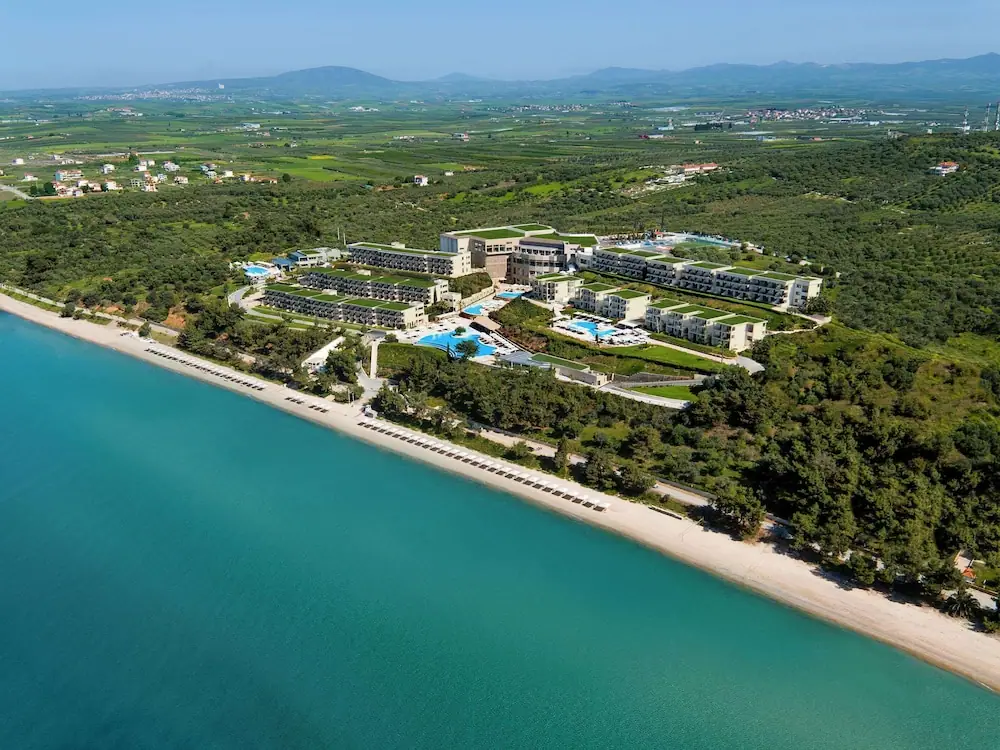

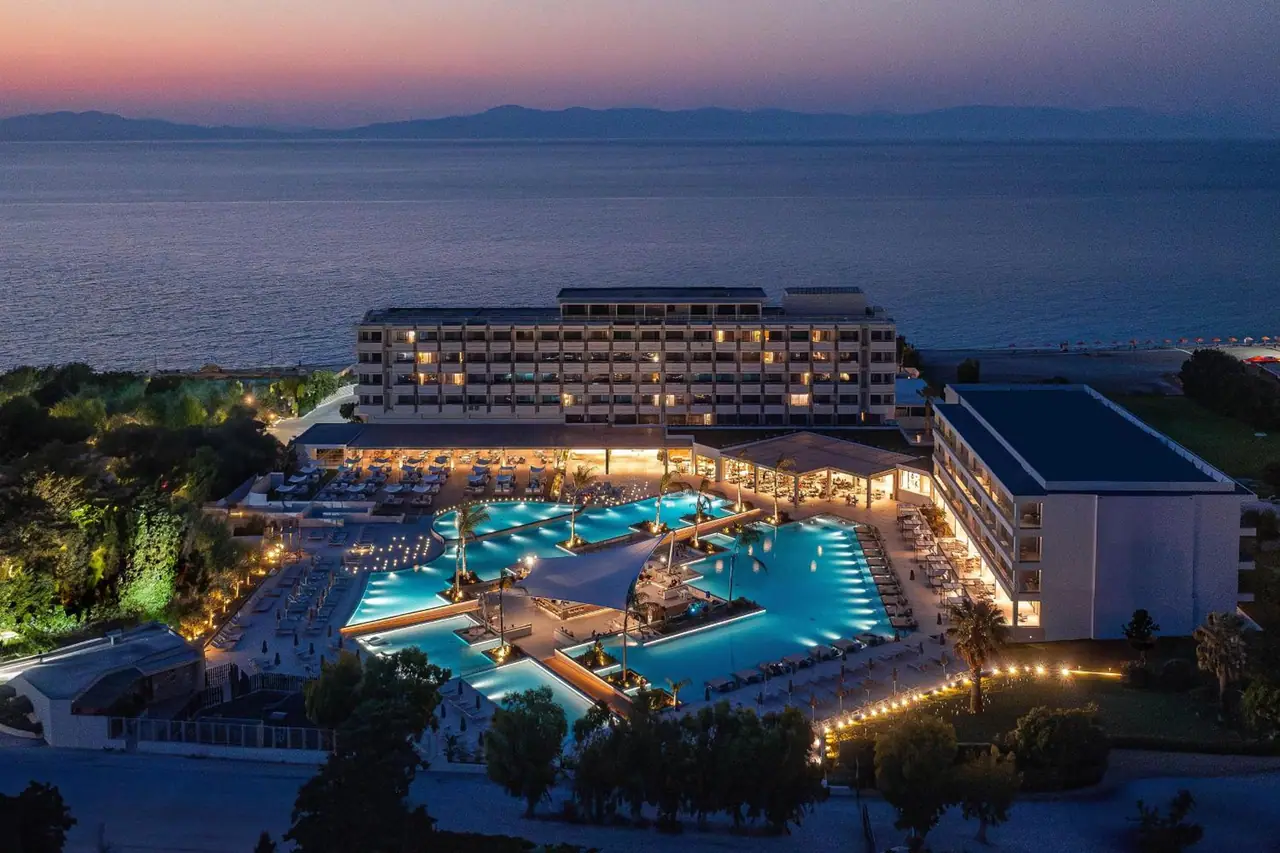
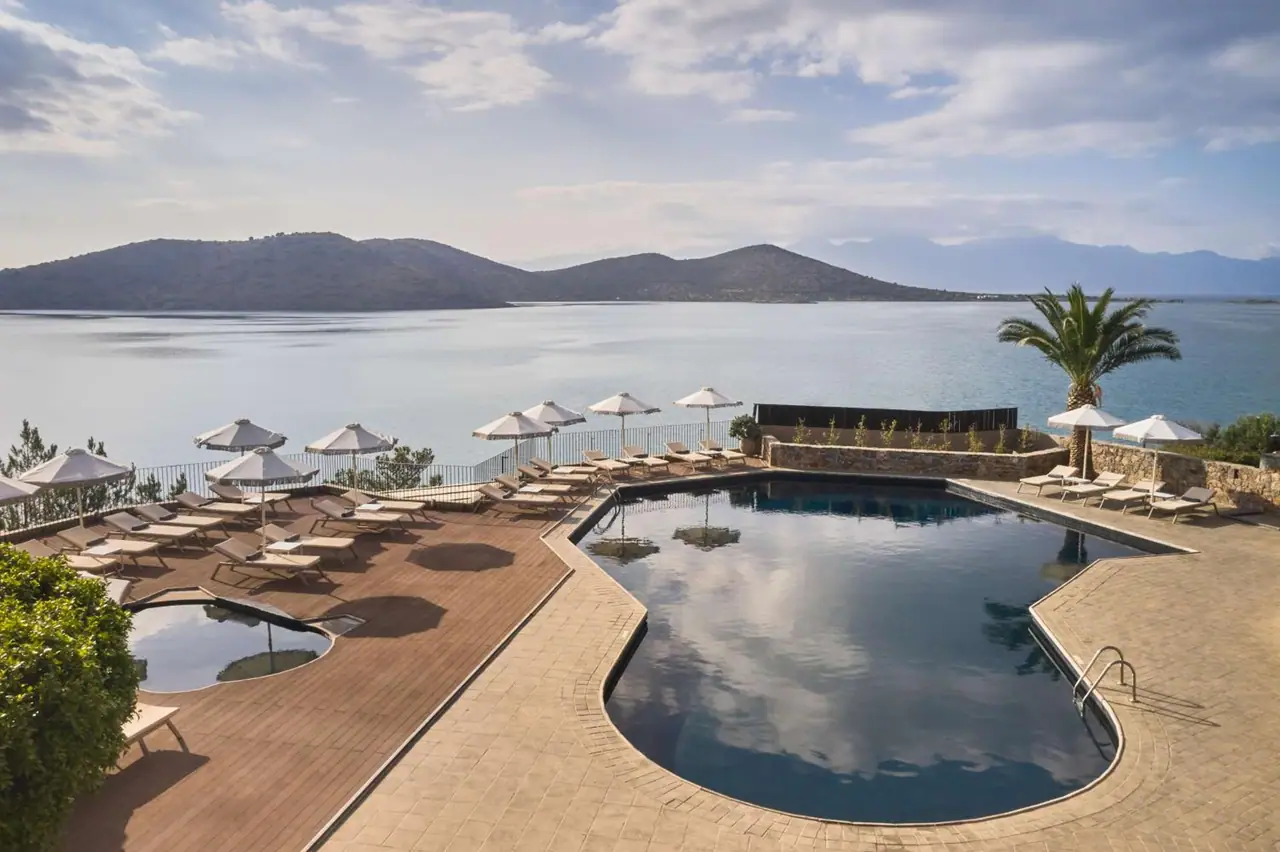
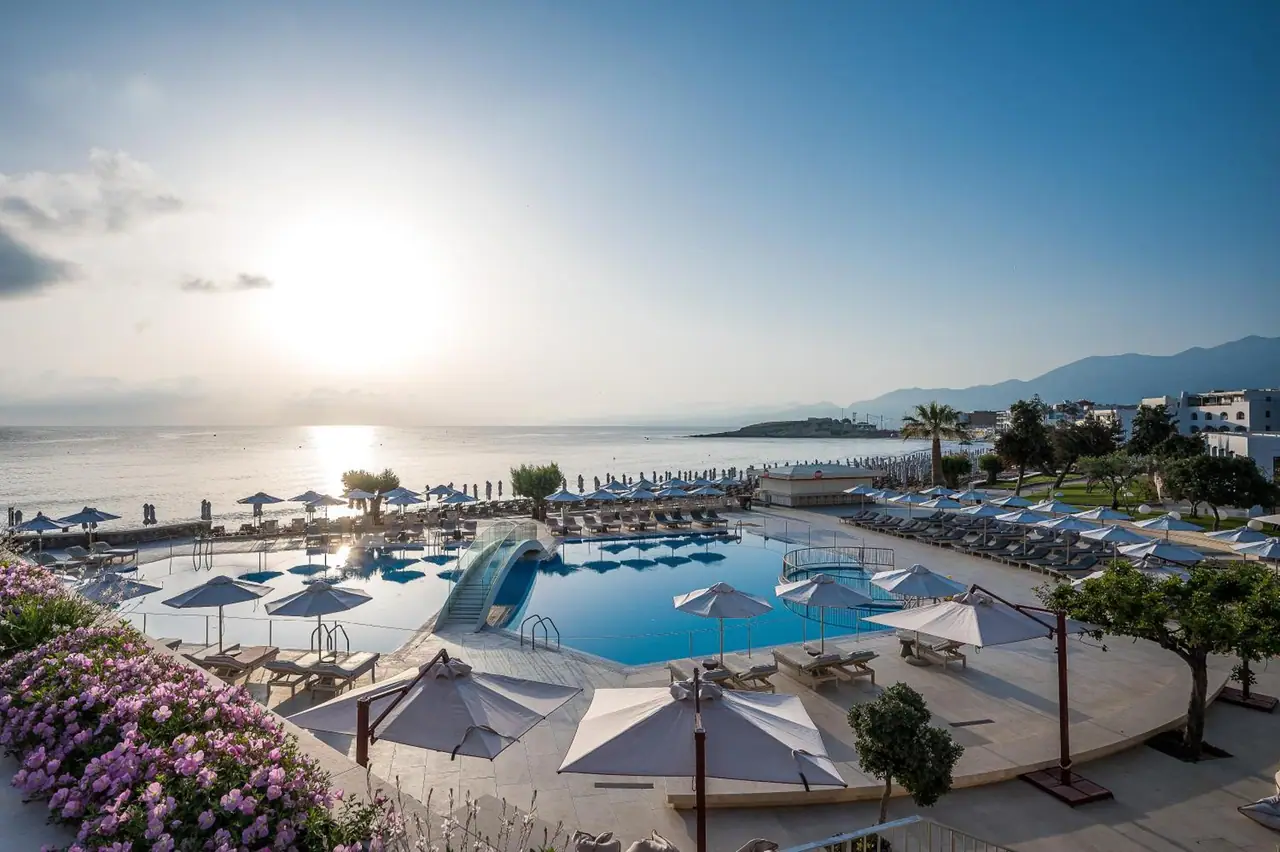
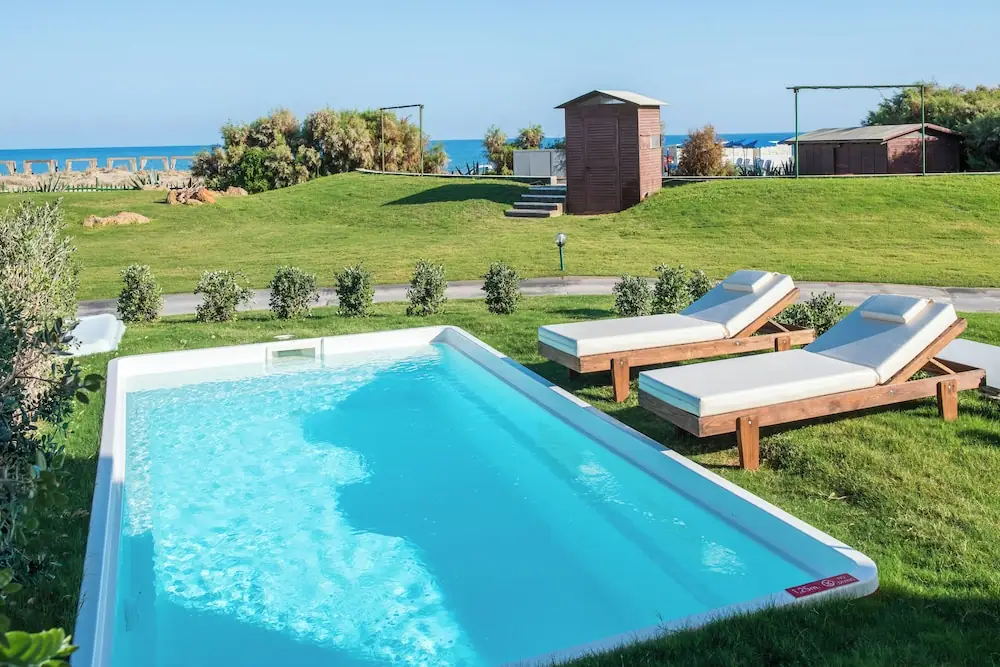


Elldus Resort
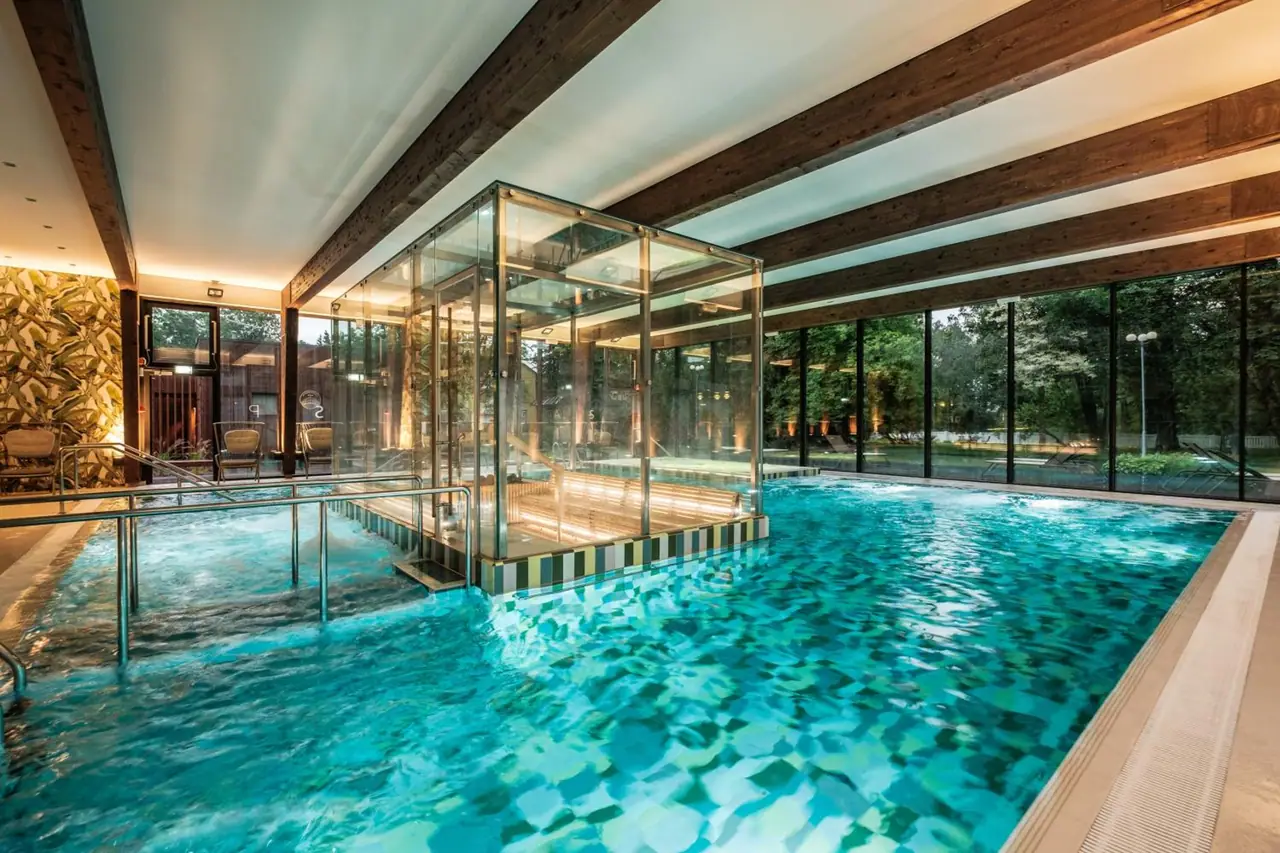
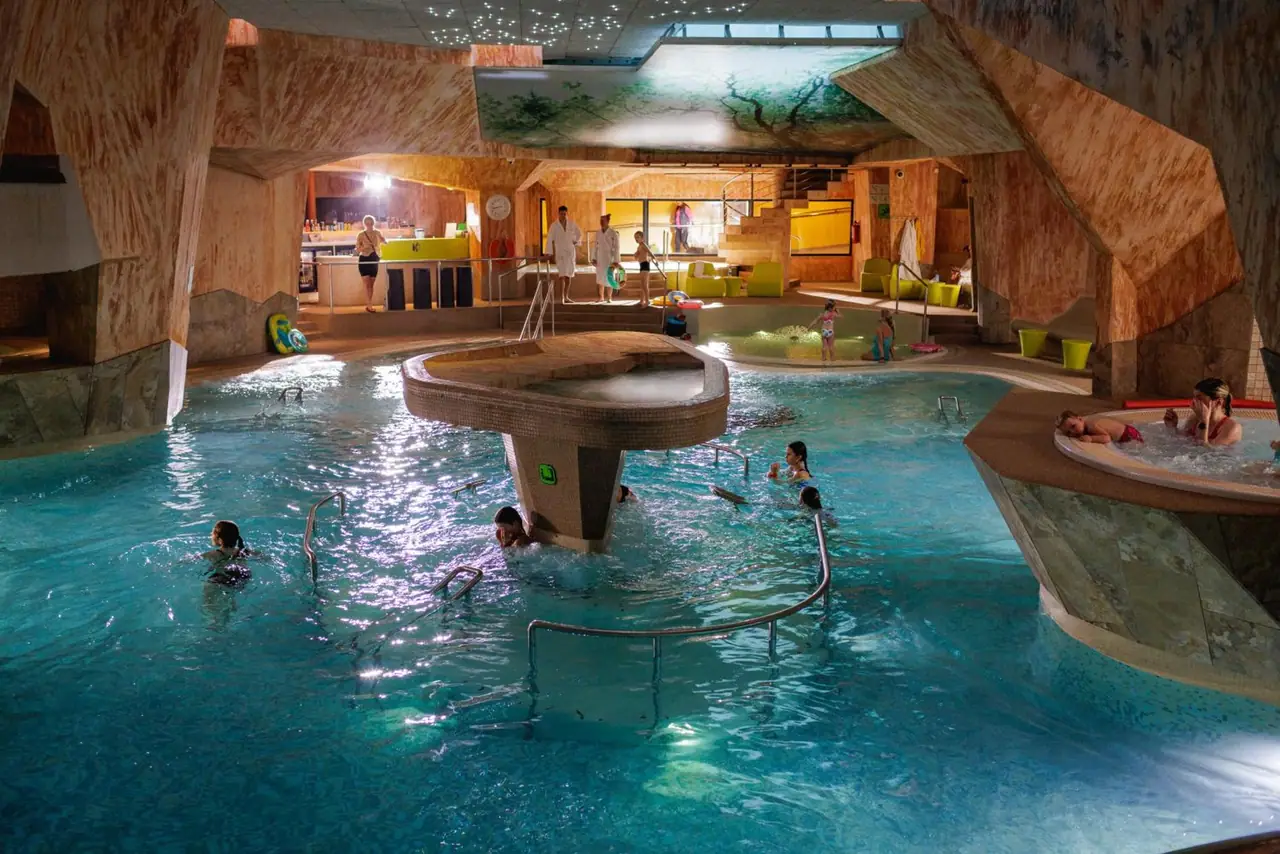
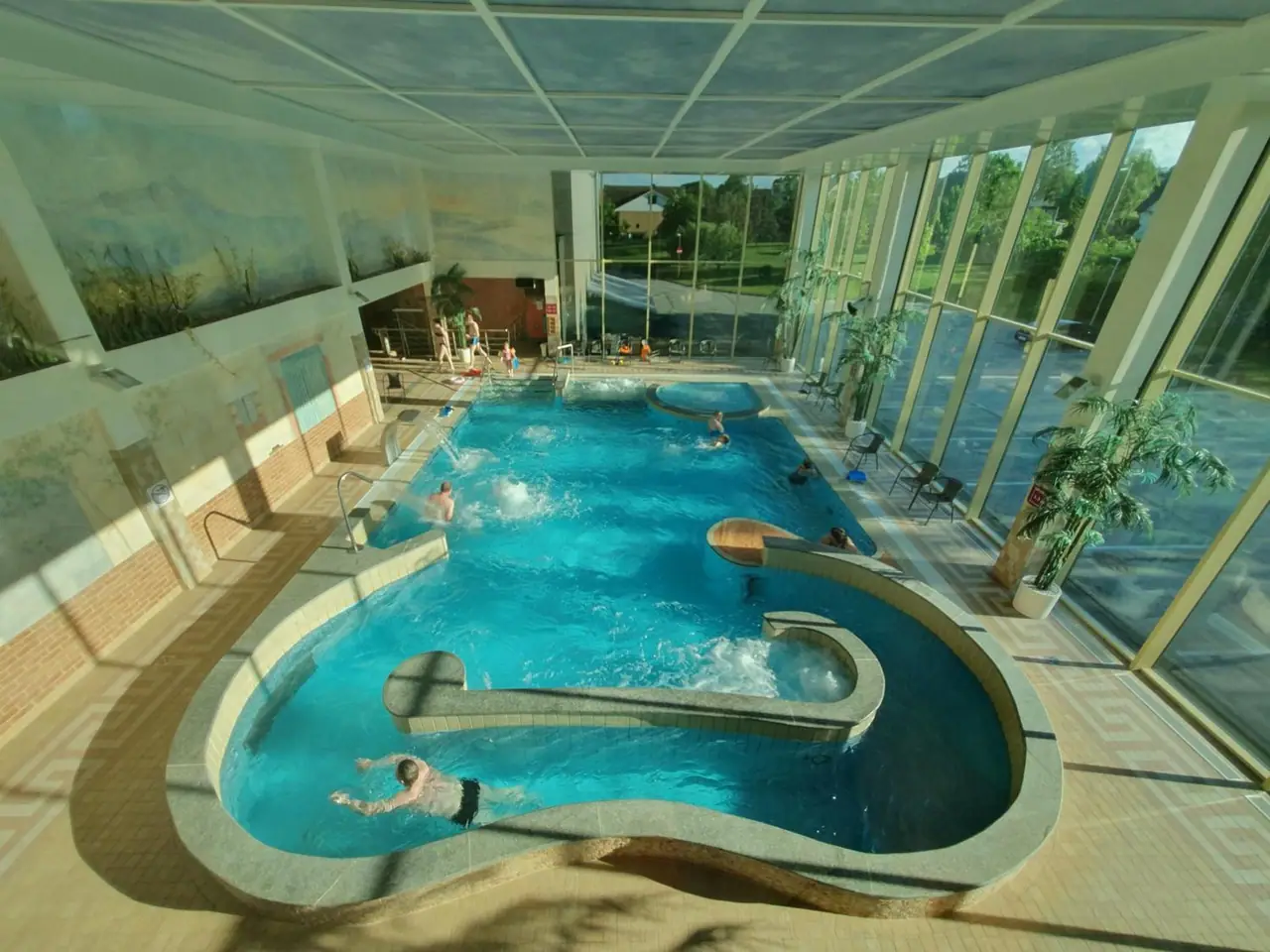
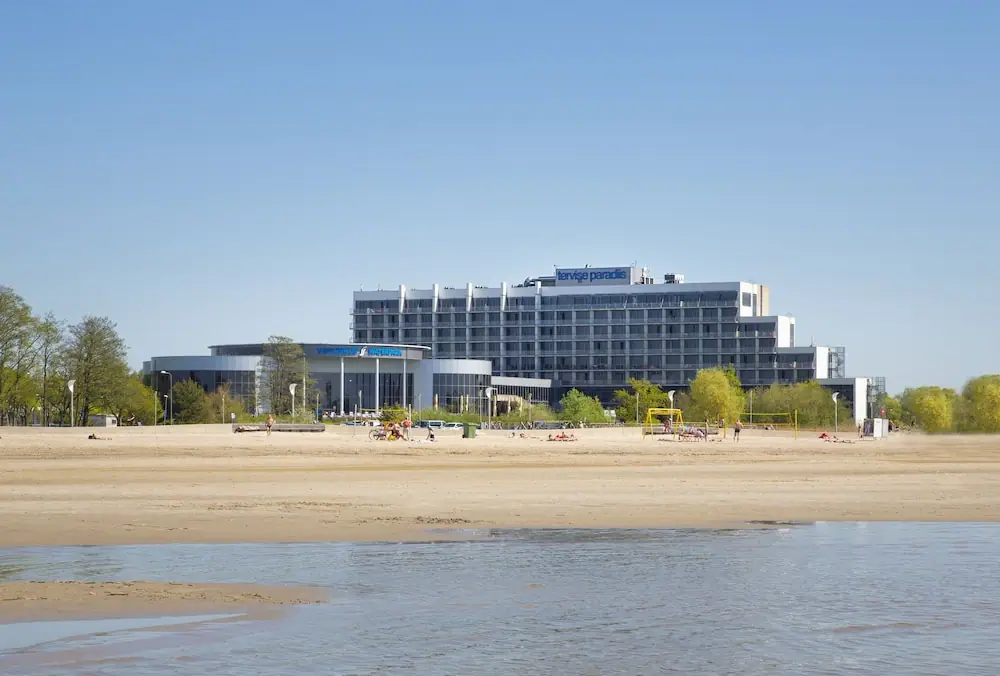
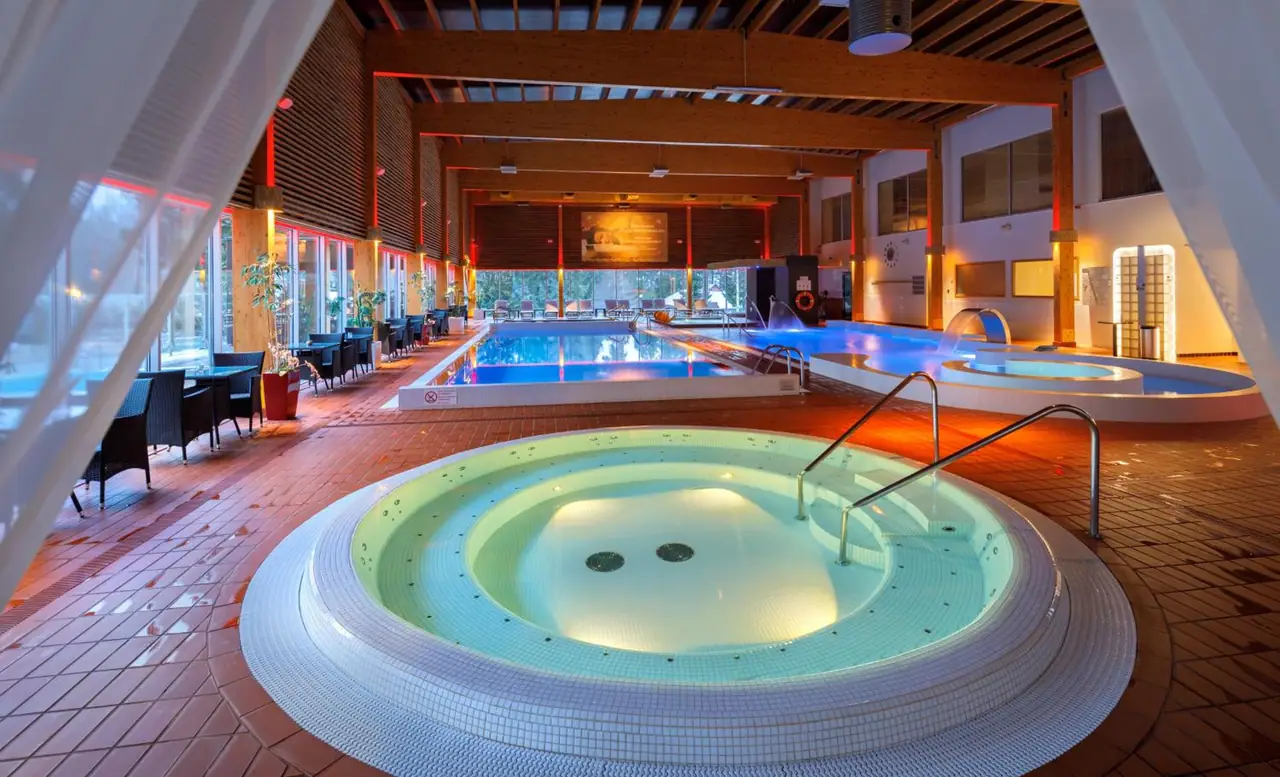
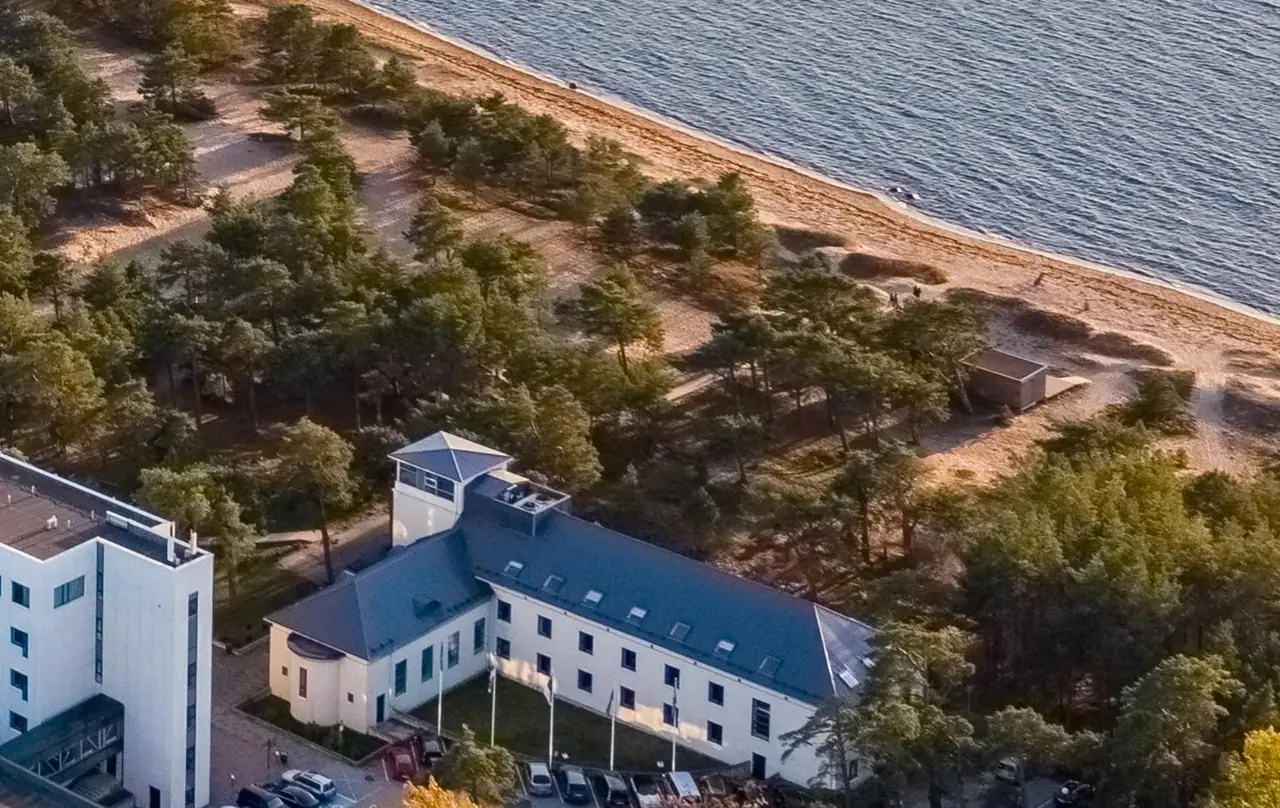
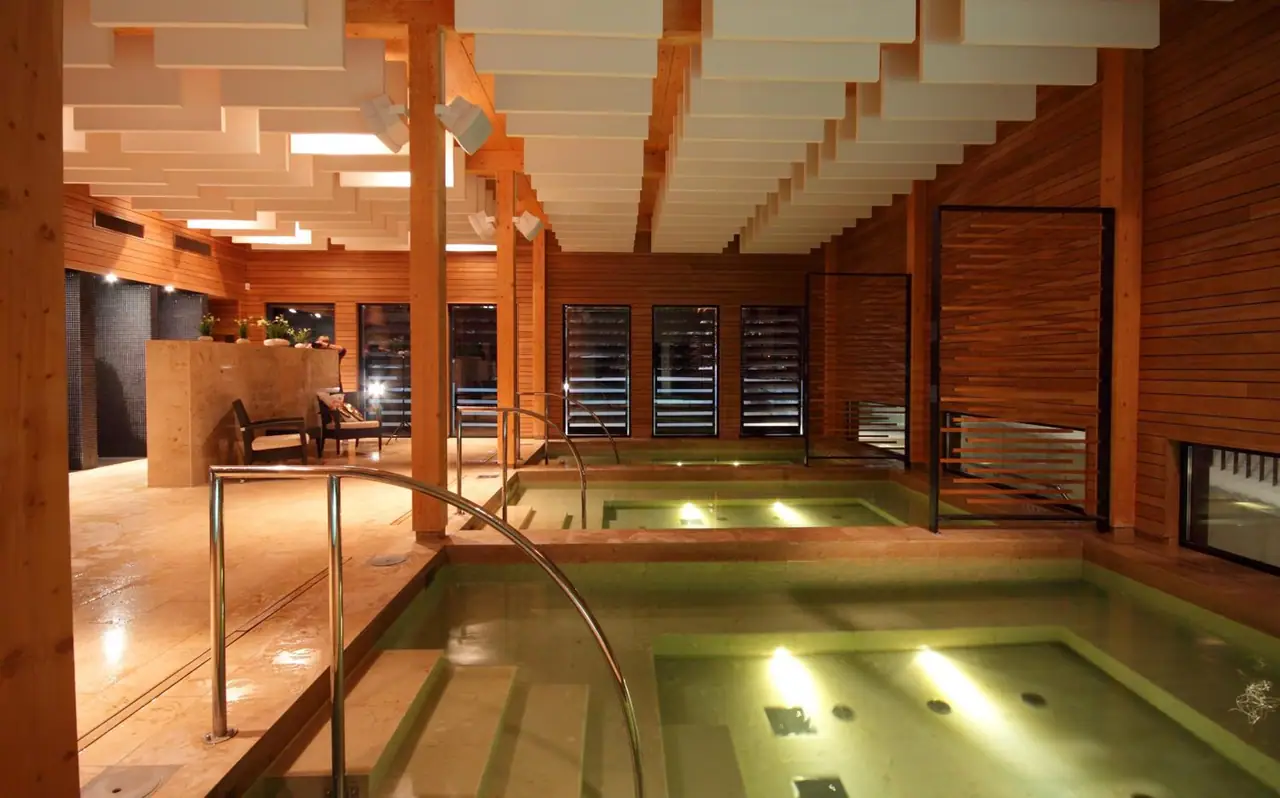
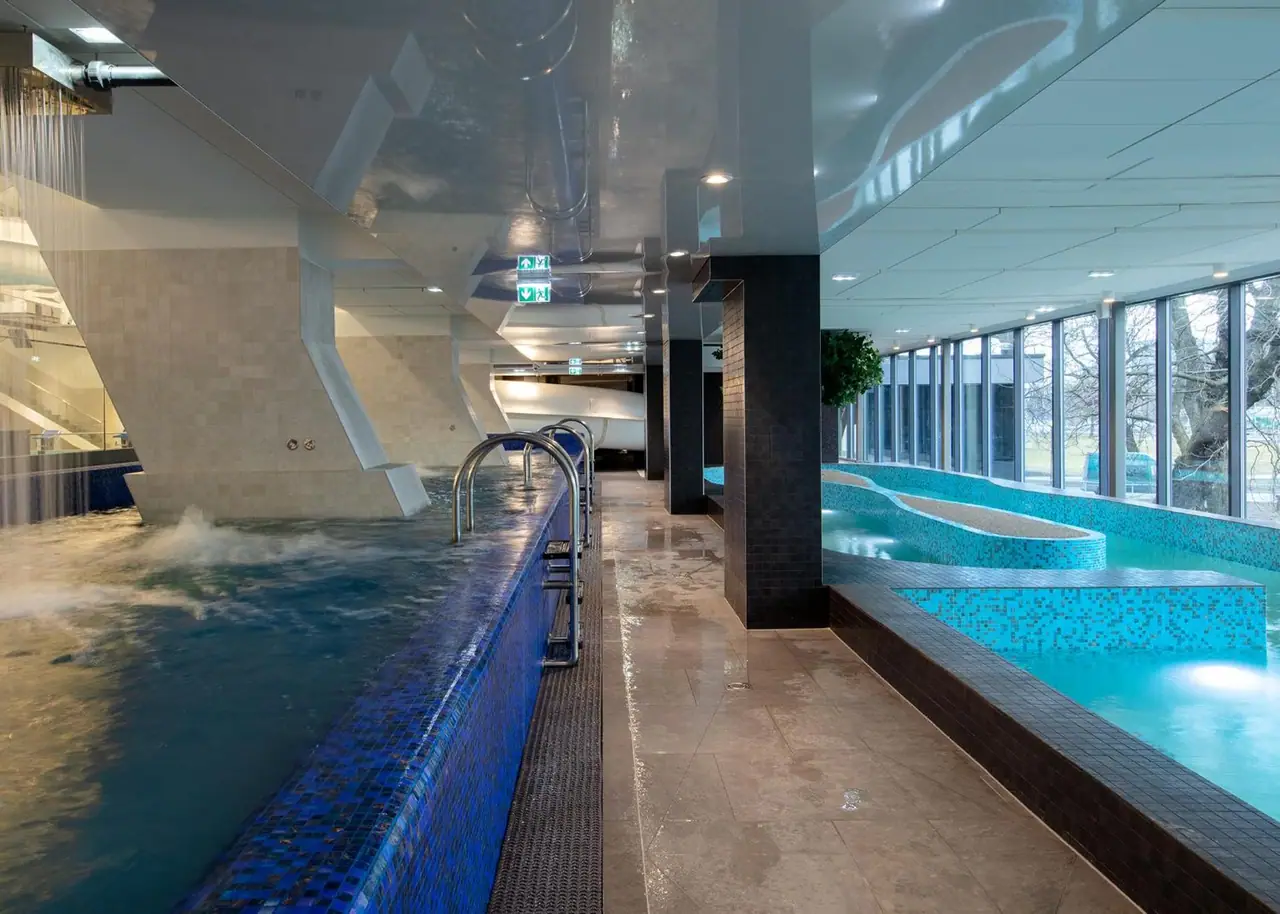
Georg Ots Spa Hotel
Fra Mare Thalasso Spa