How weather and seasons impact your all-inclusive experience
The weather and the changing seasons play a significant role in shaping your all-inclusive experience of Europe.
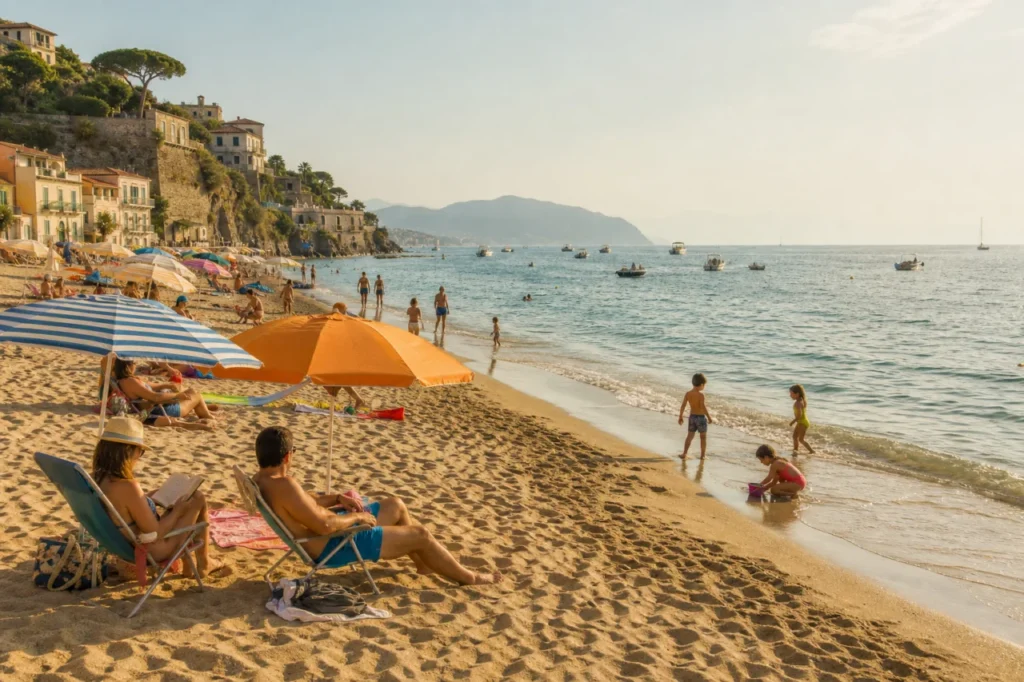
If you're planning an all-inclusive holiday in Europe, it's important to consider the climate and seasonal crowds. These factors can have a significant impact on your travel experience, affecting everything from the weather to accommodation availability and pricing.
Climate variations by region
The climate in Europe varies by region. Southern European countries such as Spain and Italy tend to have hot, dry summers and mild, wet winters. In contrast, northern countries such as Sweden and Norway experience colder, snowy winters and milder summers. Choose your time of year and destination carefully to enjoy the climate that suits you best.
High season vs. low season
Most all-inclusive resorts are busier during the high season, which typically coincides with the summer holidays from June to August. This often means higher prices and larger crowds. The low season, such as early spring or late autumn, tends to be quieter and offers lower rates. It can also be an ideal time to enjoy personalised service and special offers.
Weather and outdoor activities
The season can influence the outdoor activities you choose. Sunny summers are perfect for beach activities and swimming, while spring is ideal for hiking through nature reserves. If you're keen on winter sports, the cold months in the mountains of countries like Austria are not to be missed.
Special events and seasons
Certain seasonal events can also enhance your experience. The Christmas markets in Germany and Austria, for example, attract many visitors in winter for a unique experience. Taking part in local celebrations and festivals can make your holiday even more memorable.
Avoiding weather surprises
No matter the season, a little preparation can save you a lot of hassle. Check the weather forecast a week before your trip and pack accordingly. Make sure you have the right clothes and accessories to cope with unexpected changes in the weather, such as a raincoat or extra layers.
Frequently asked questions
In which months is it low season at most European vacation resorts?
Low season varies, but it's typically in early spring and late autumn.
Which European countries have the mildest winters?
Southern European countries like Spain, Italy, and Greece have milder winters.
How can the weather affect the price of an all-inclusive holiday?
During peak season, when the weather is favorable for tourism, prices are usually higher.
What are popular all-inclusive destinations in Europe during winter?
Popular winter destinations include Austria for skiing and the Canary Islands for a milder climate.
Why should you book an all-inclusive holiday in the low season?
During low season, resorts are often less crowded and offer lower rates.