Luxury all-inclusive
The most exclusive all-inclusive resorts in Europe: five-star service, fine dining and ultimate indulgence.
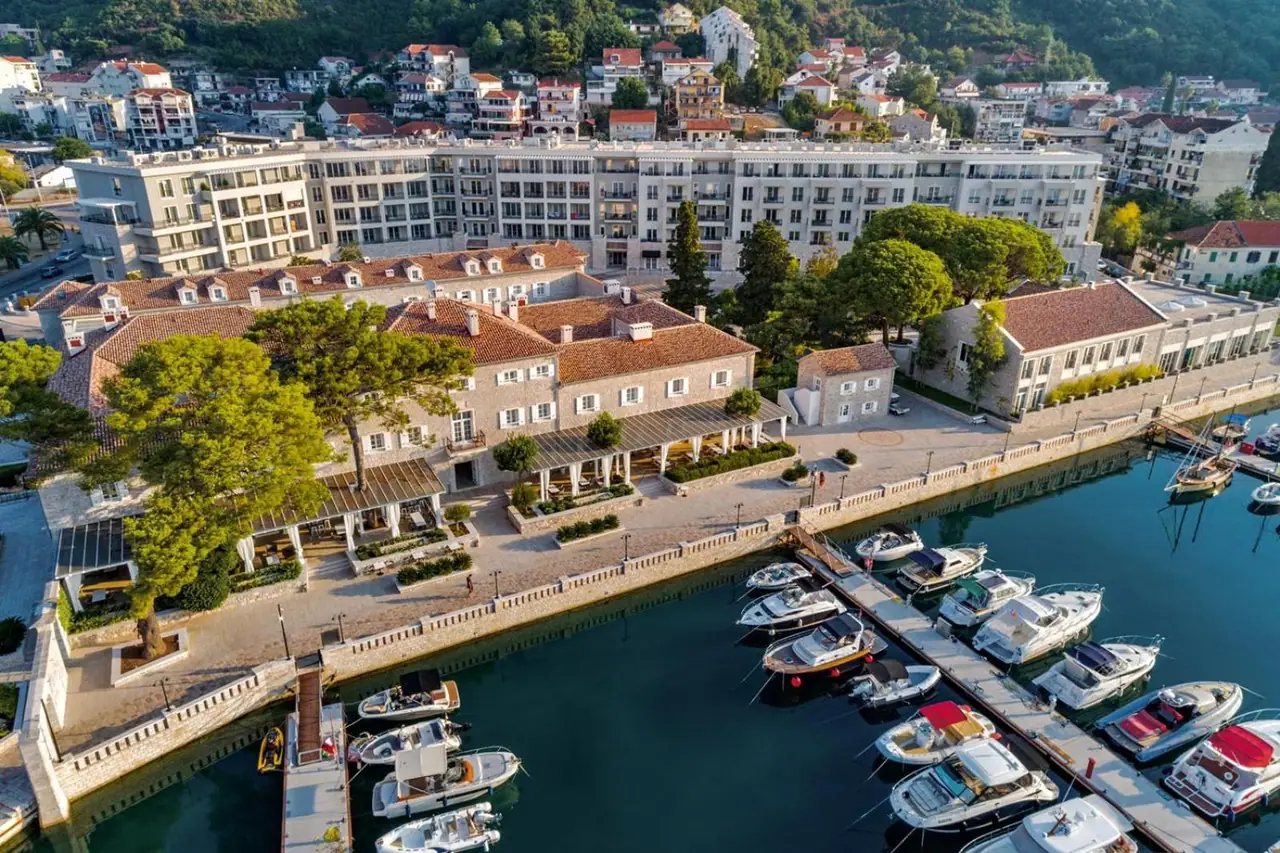
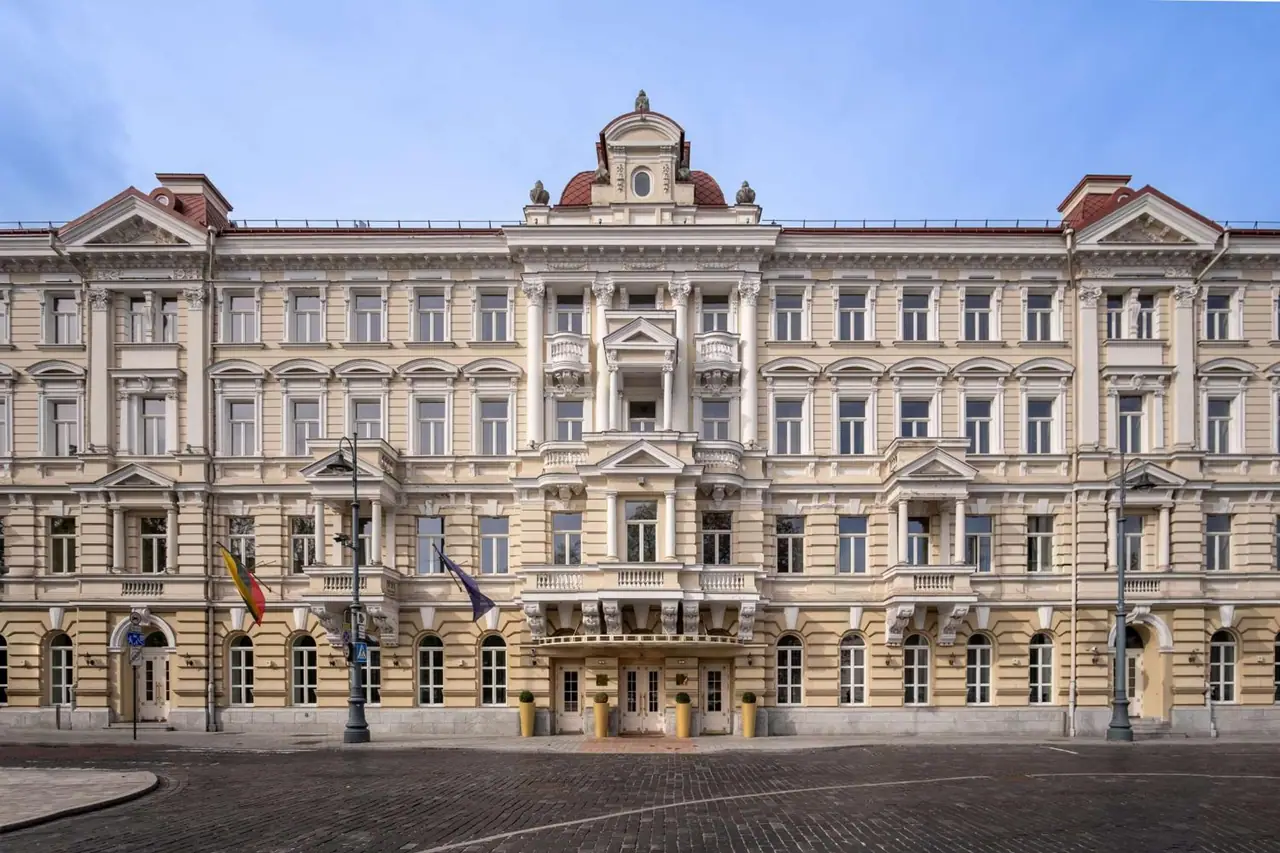
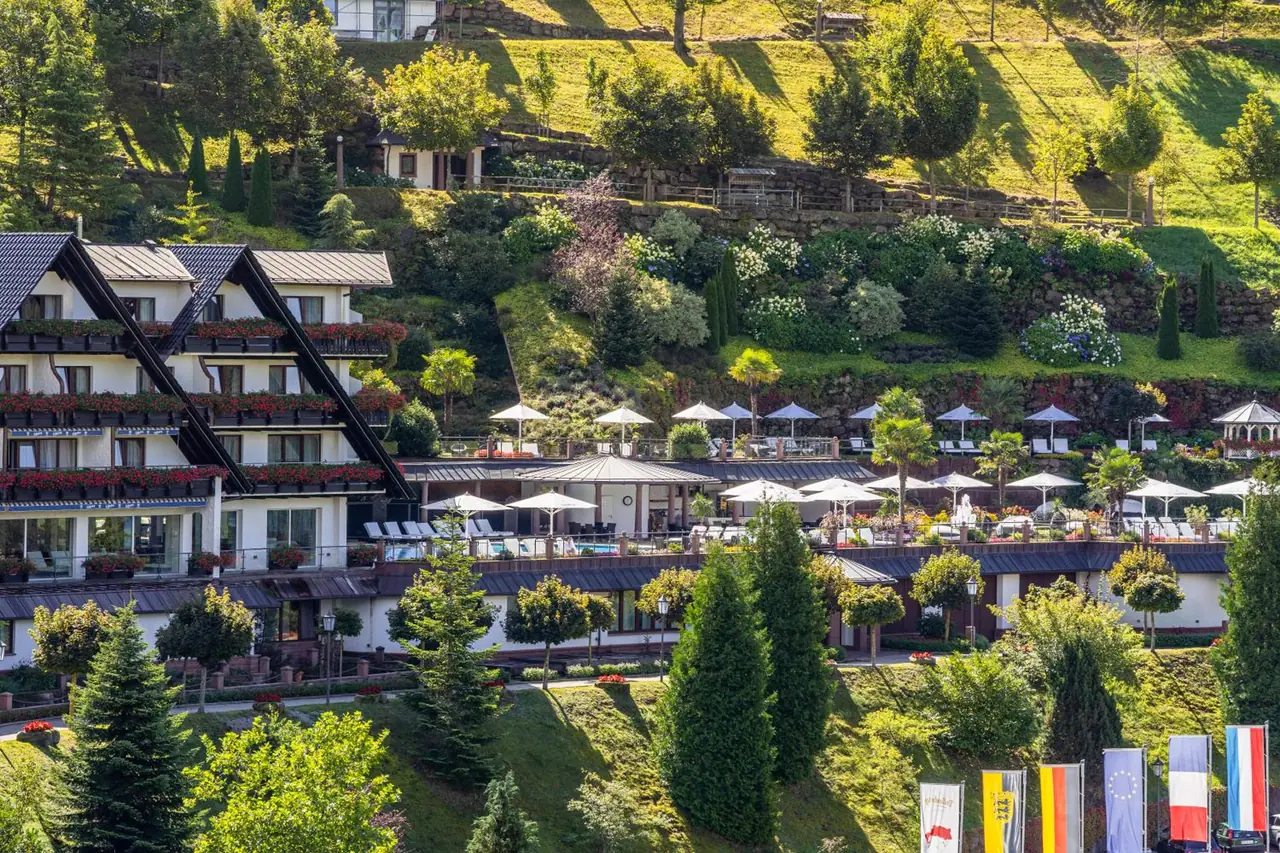
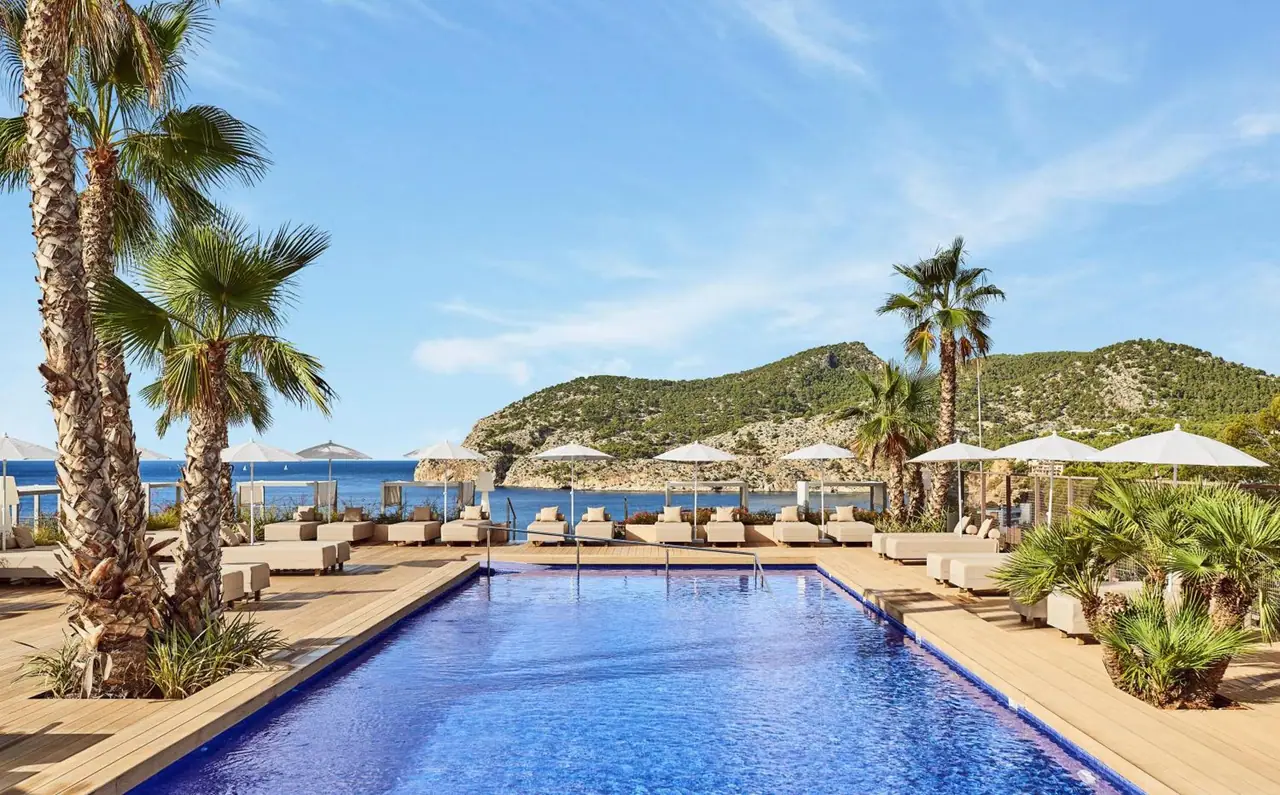
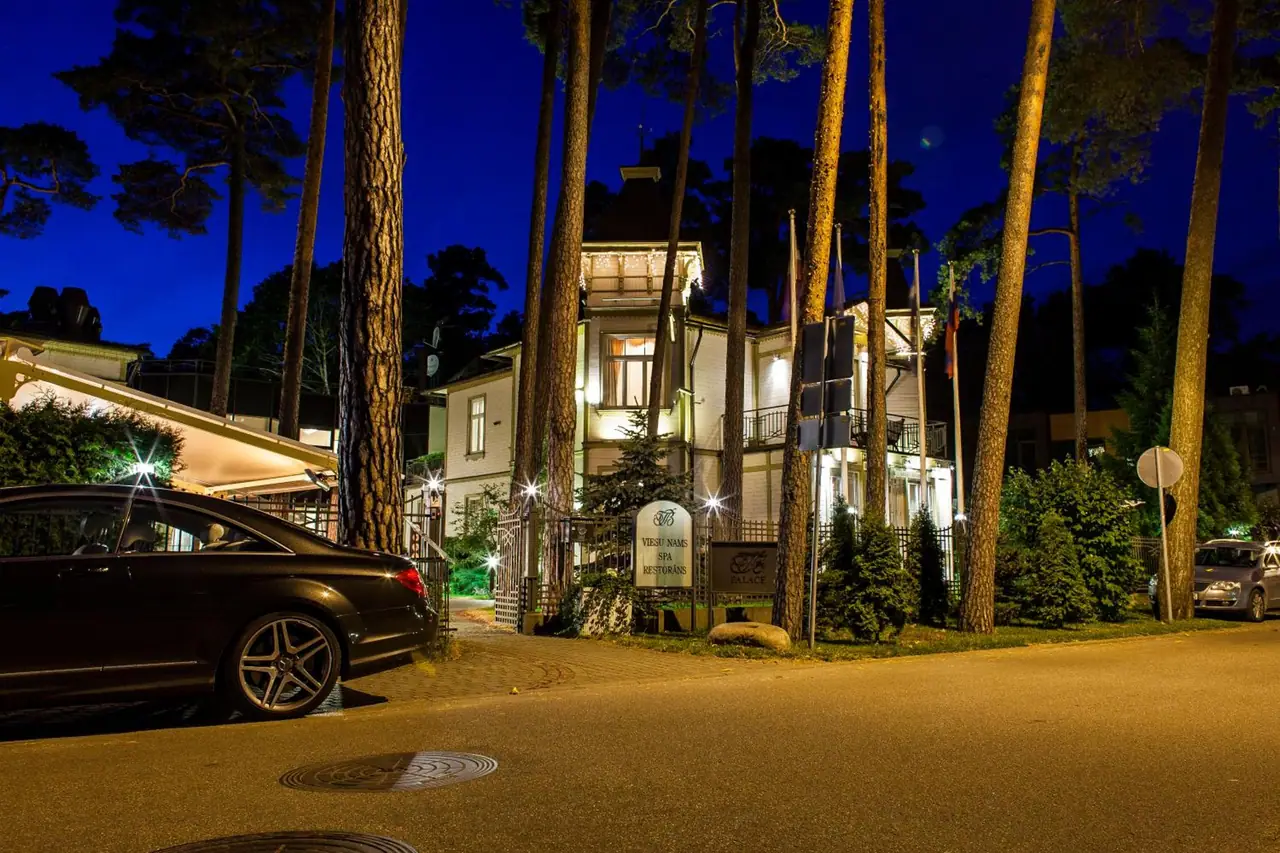
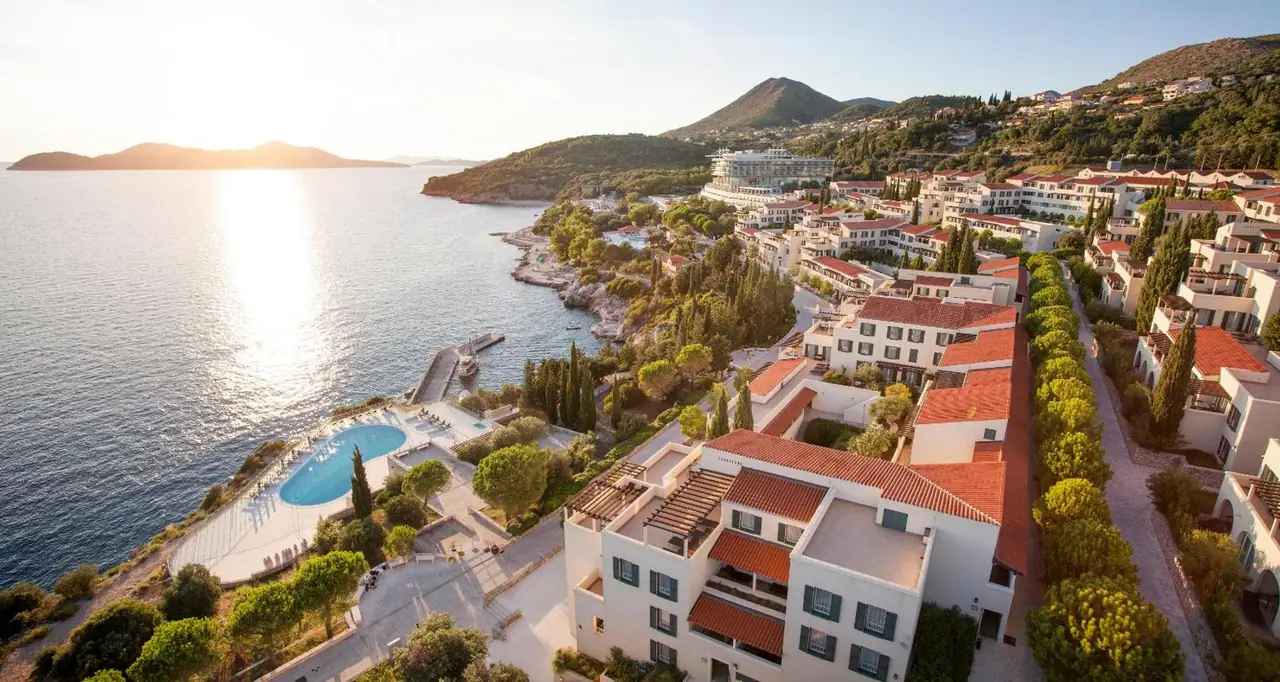
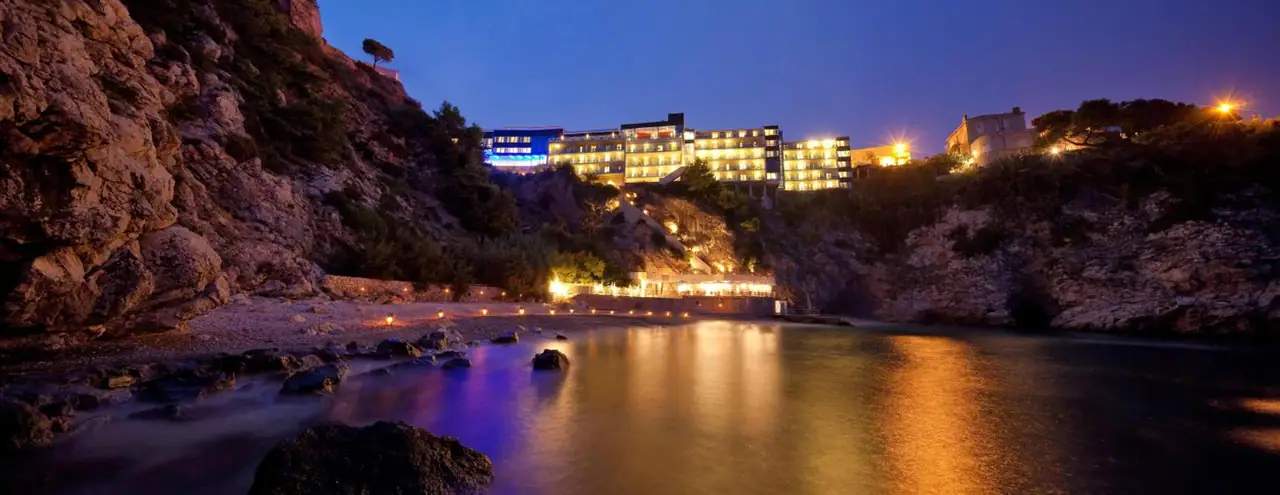
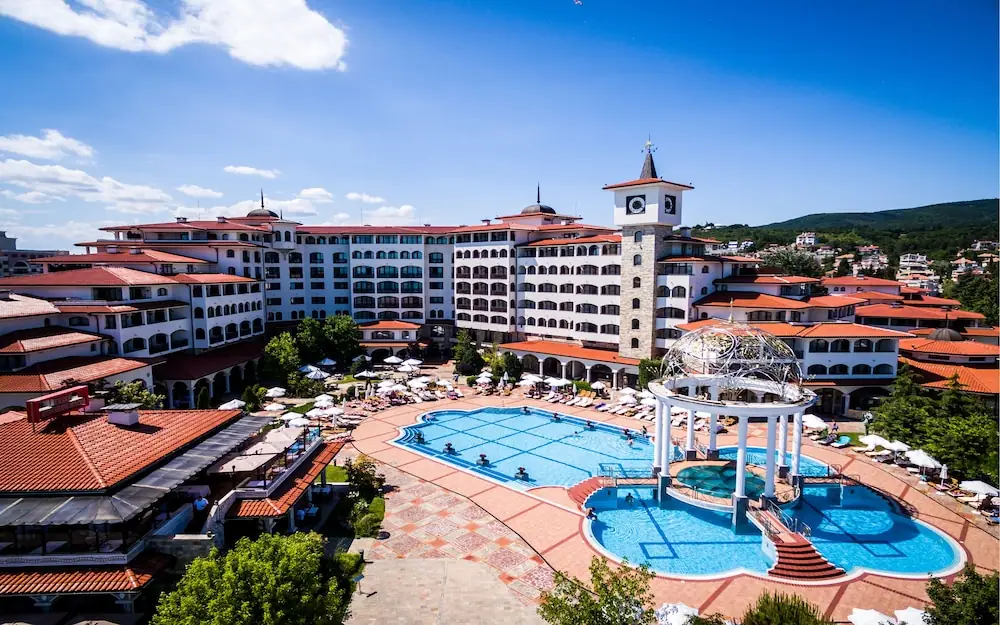
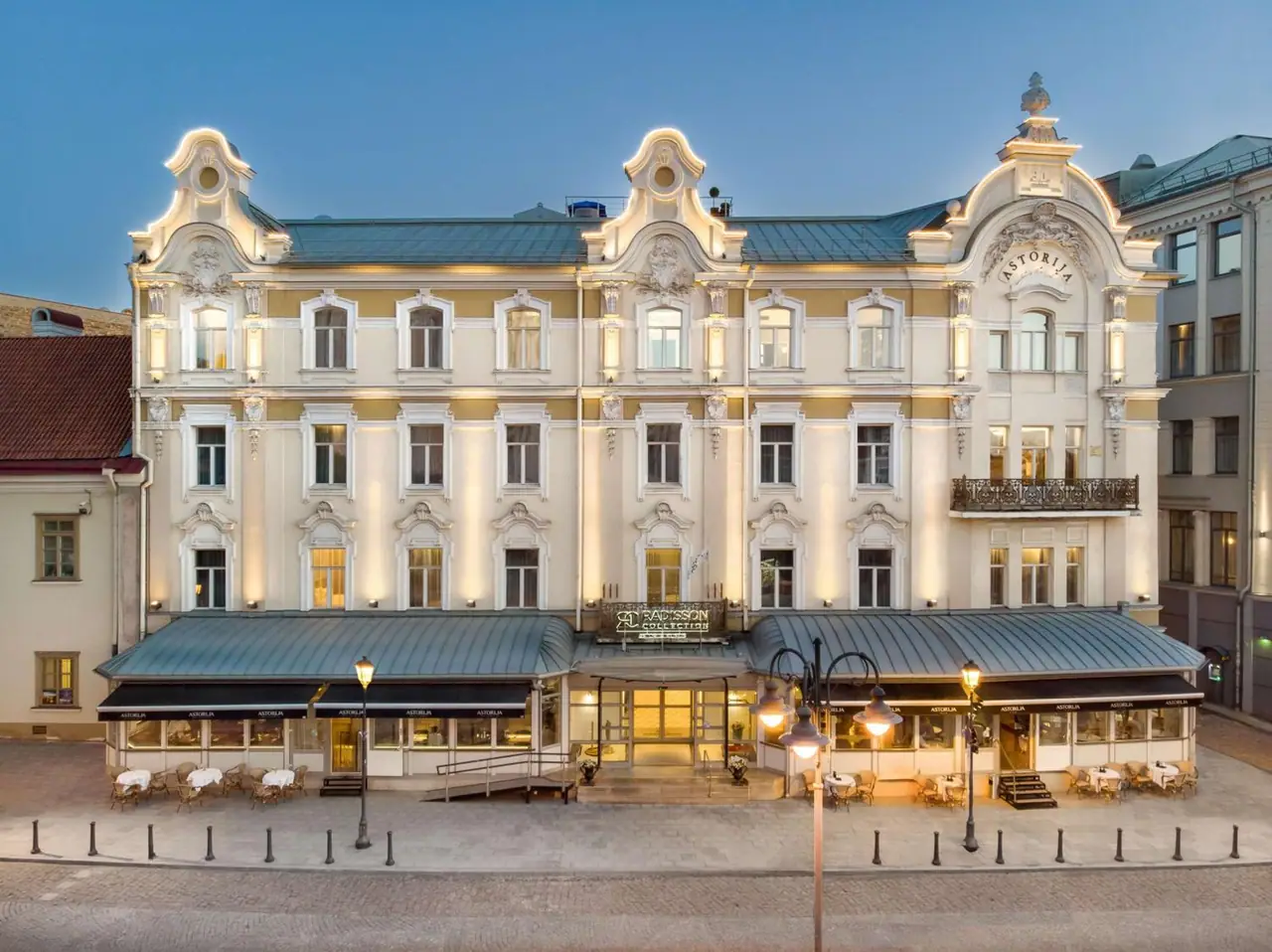
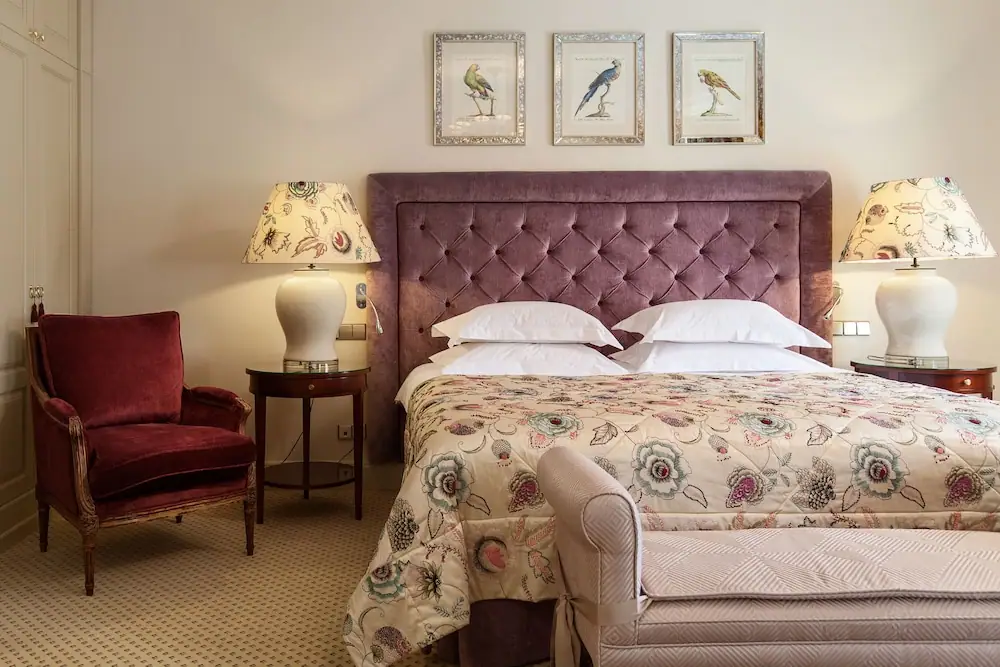
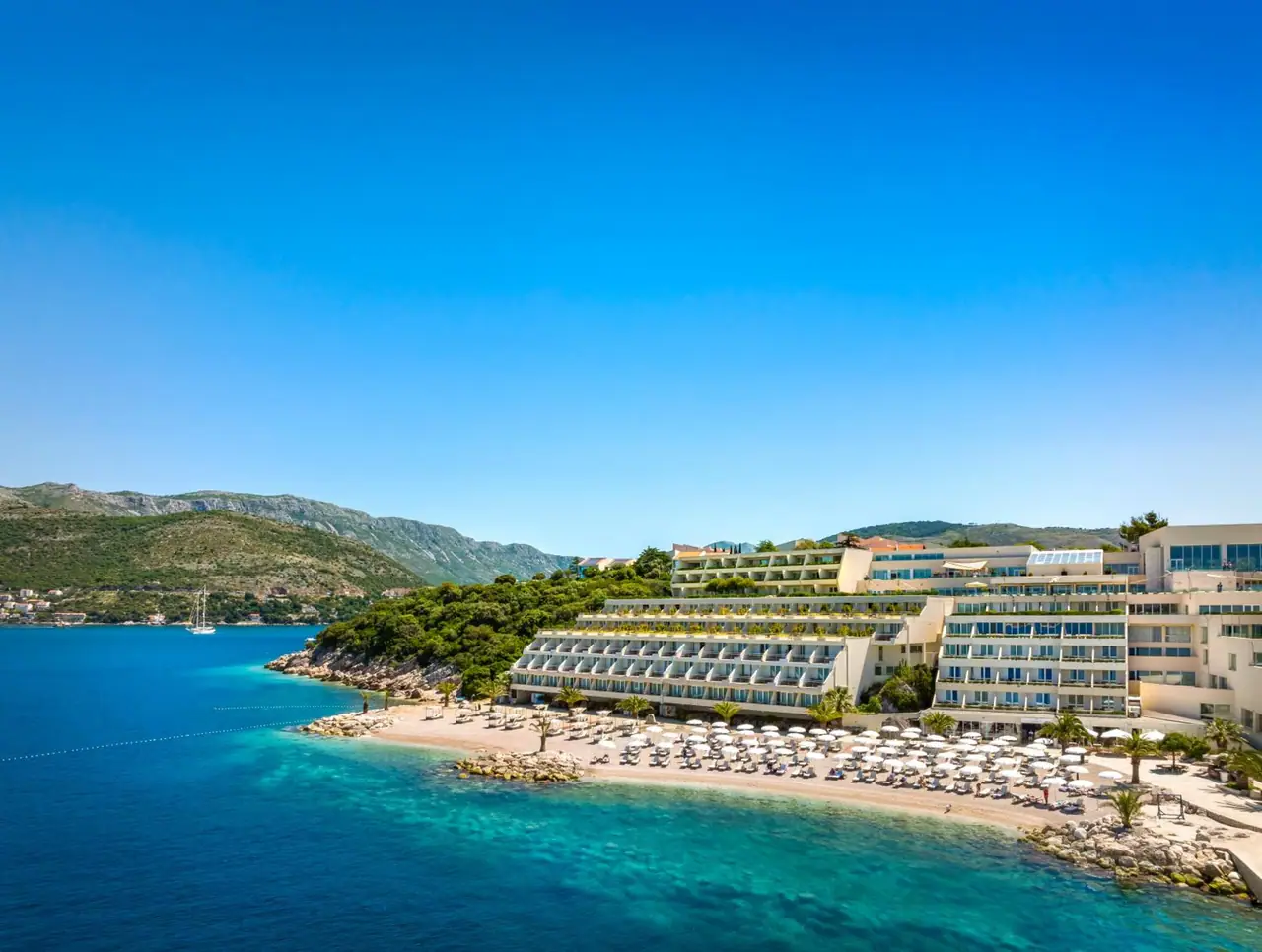
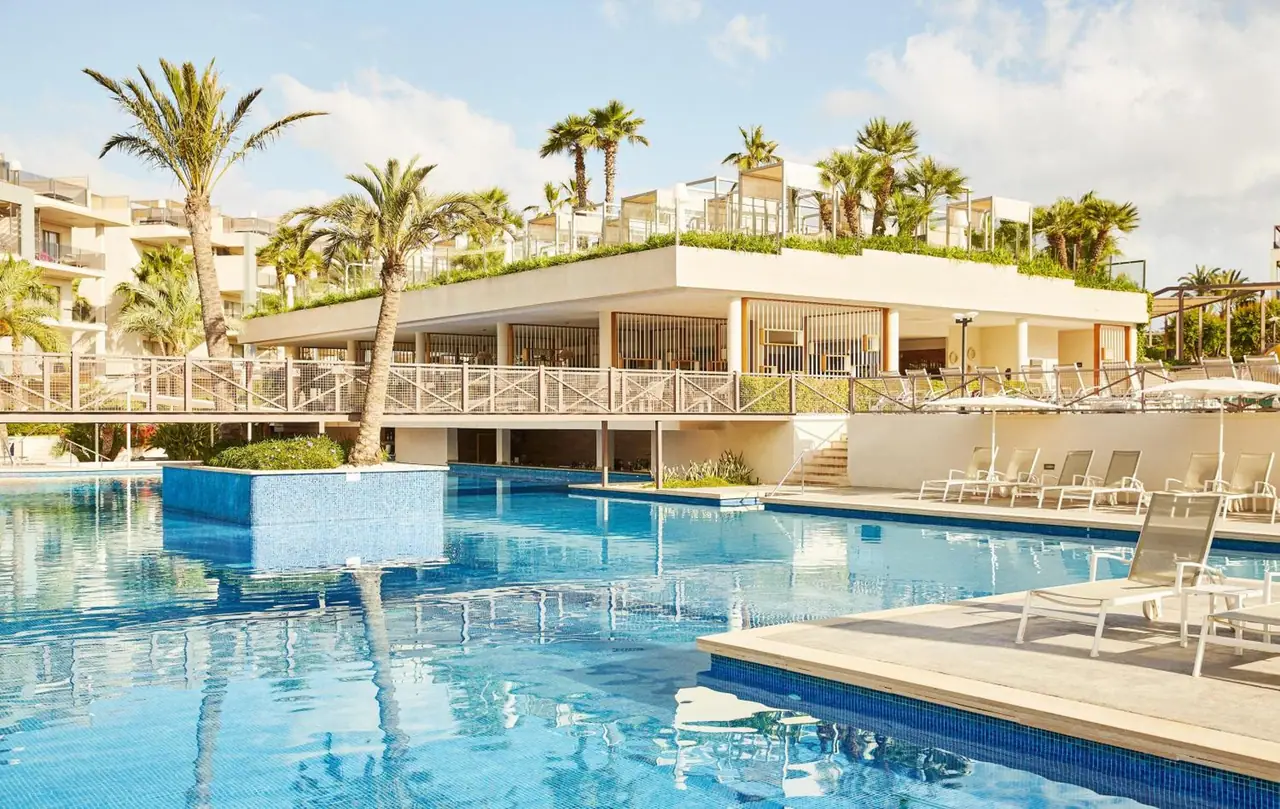
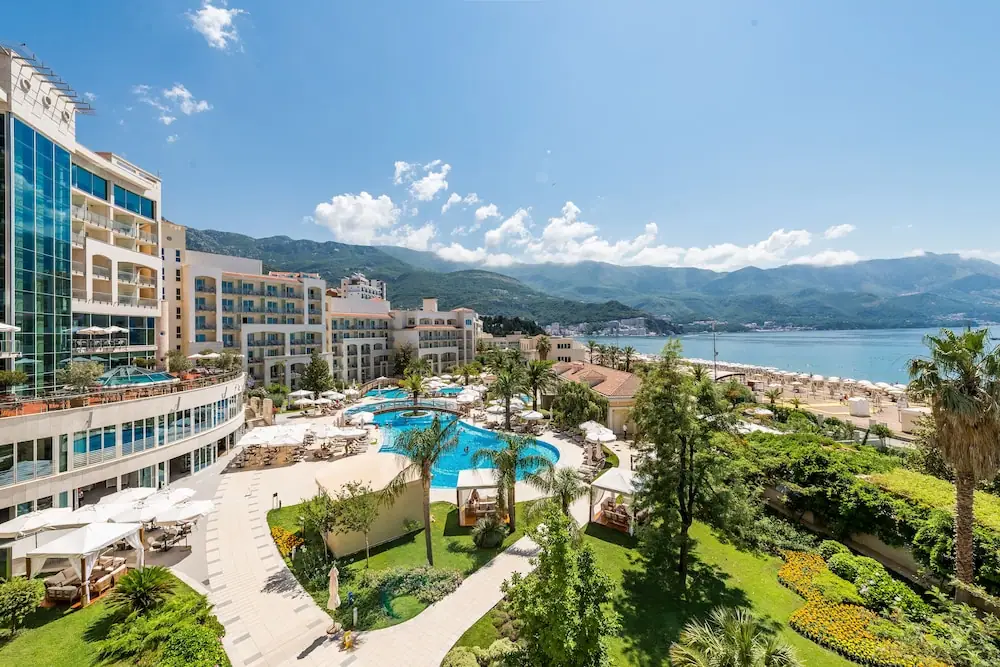
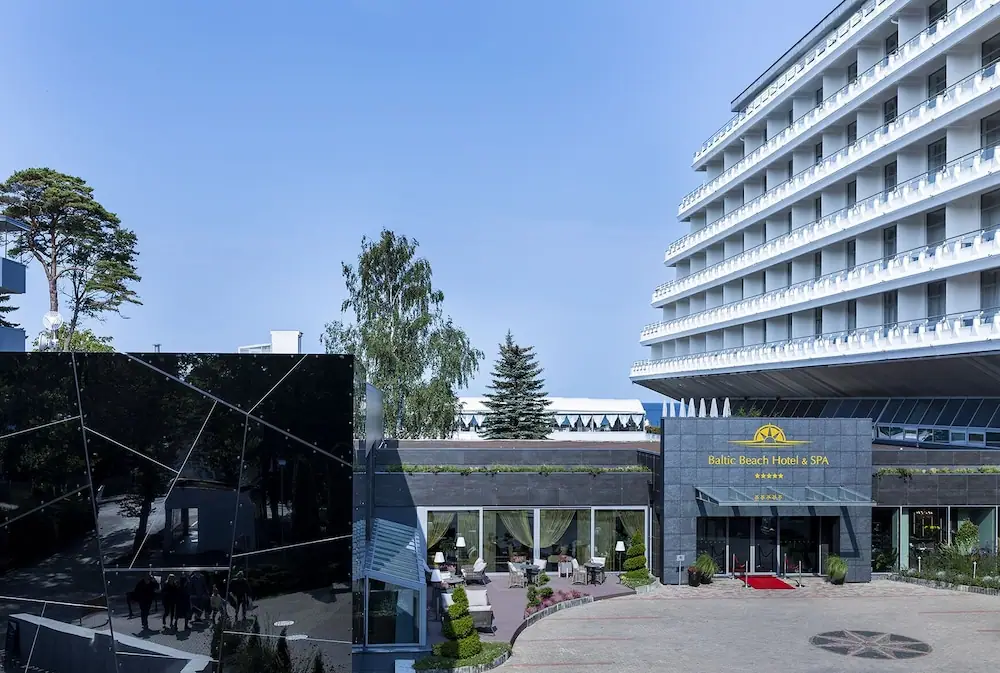
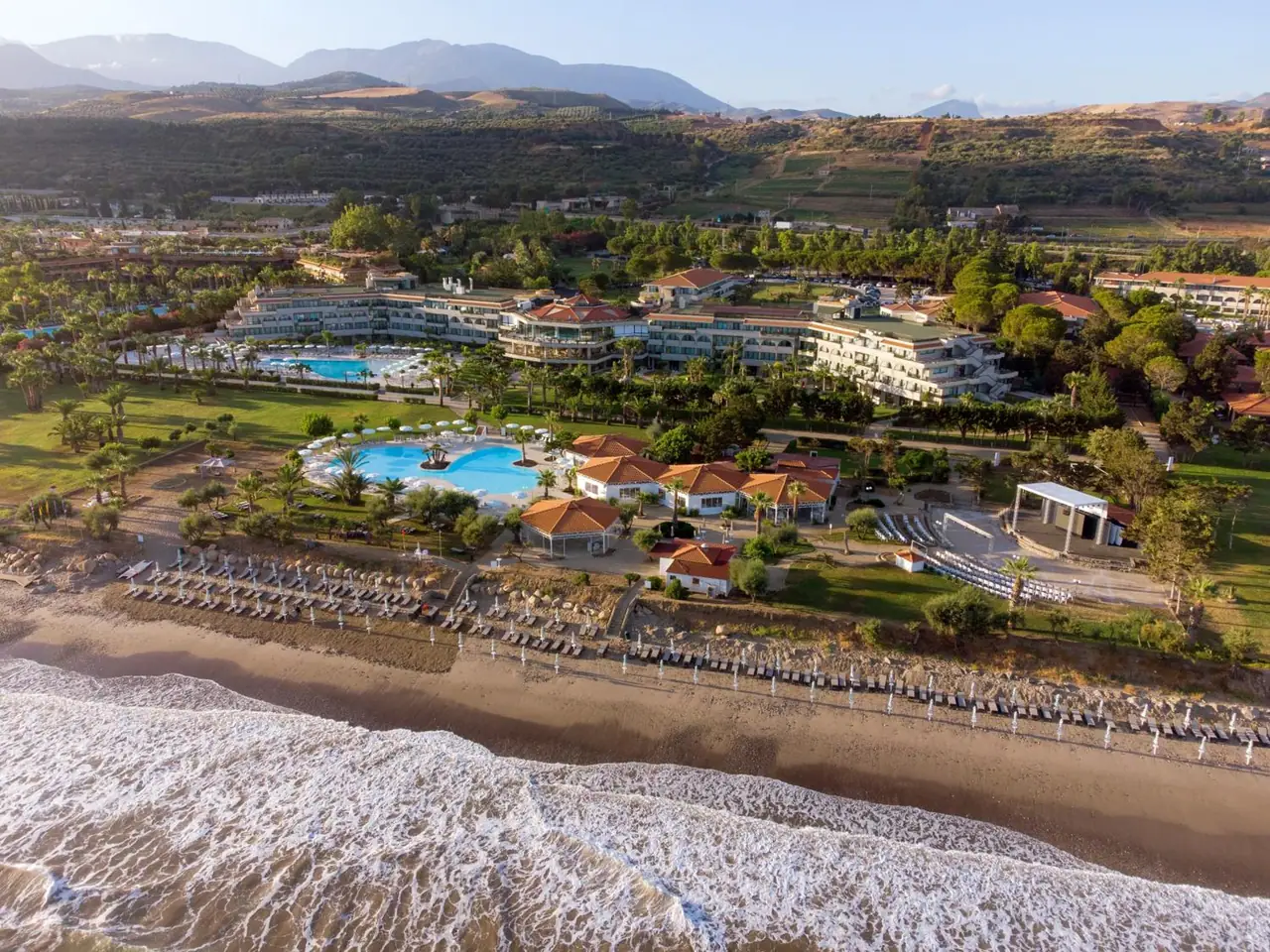
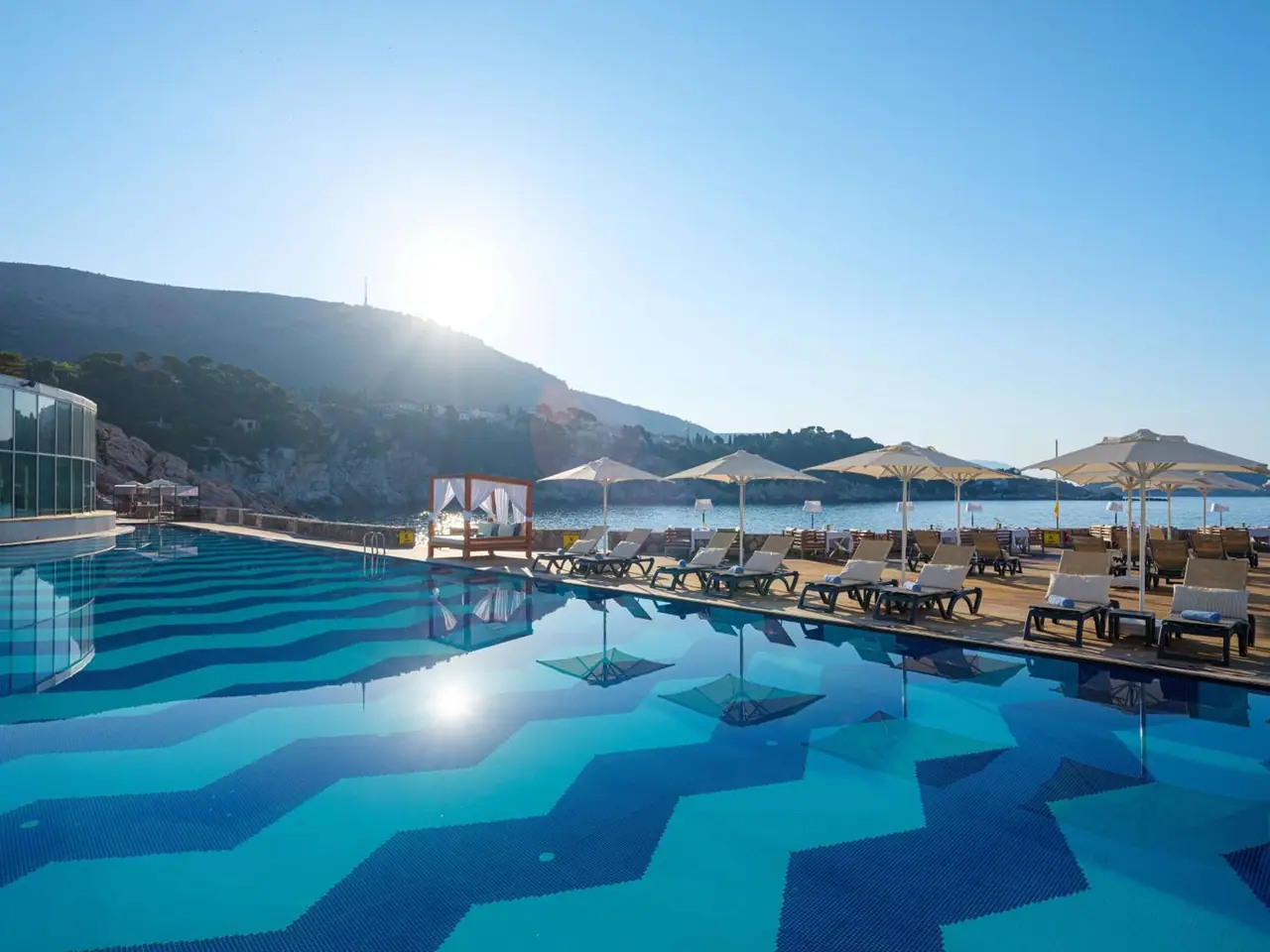
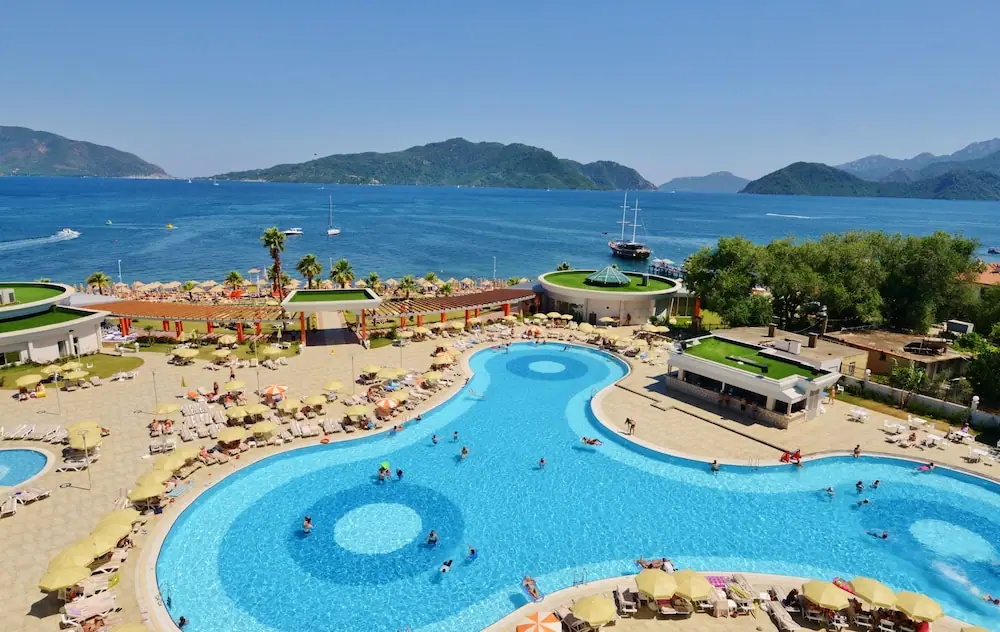
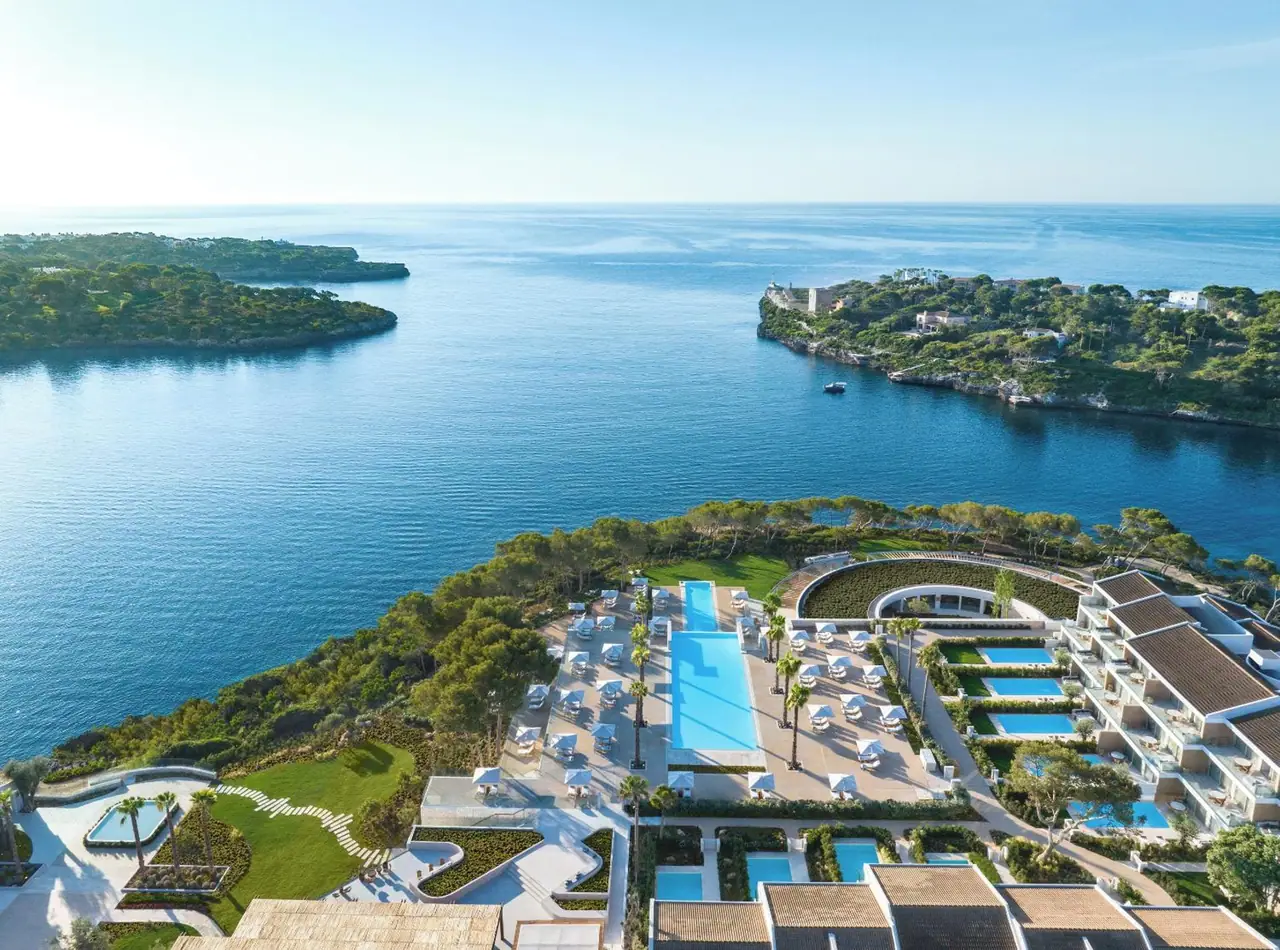
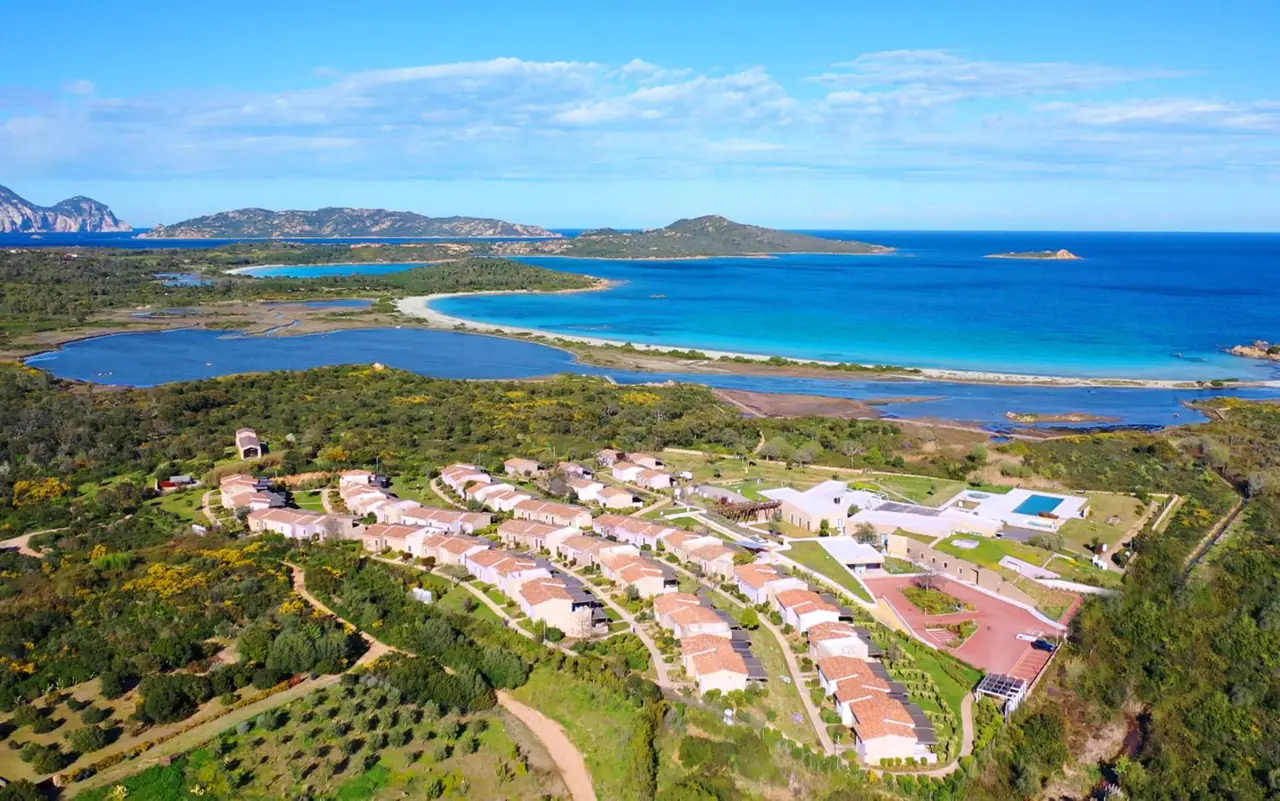
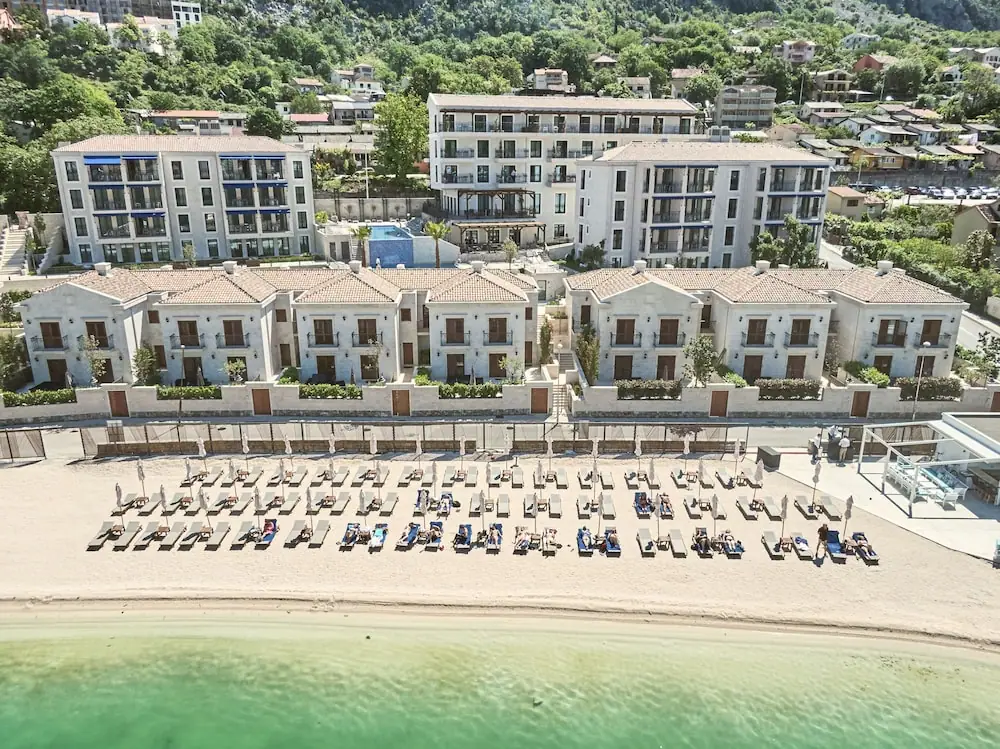
A luxury all-inclusive holiday is about more than just a beautiful five-star hotel. True quality lies in personalised service, good food, peace and quiet, and the freedom to have little to organise during your stay. You notice it in the little things, such as a quick check-in, plenty of sun loungers and staff who remember your preferences.
The content of the package also matters. A good luxury resort will include several à la carte restaurants, feature well-known drinks brands on the menu and ensure the minibar is regularly restocked. Anyone paying for a suite with a private pool or butler service can expect these extras to make a real difference.
Destinations such as Belek, Bodrum and Crete offer a wide range of luxury all-inclusive resorts. On Madeira and in the Algarve, the choice is more limited, but you’ll find hotels that combine excellent service and fine dining with a more comprehensive all-inclusive package.
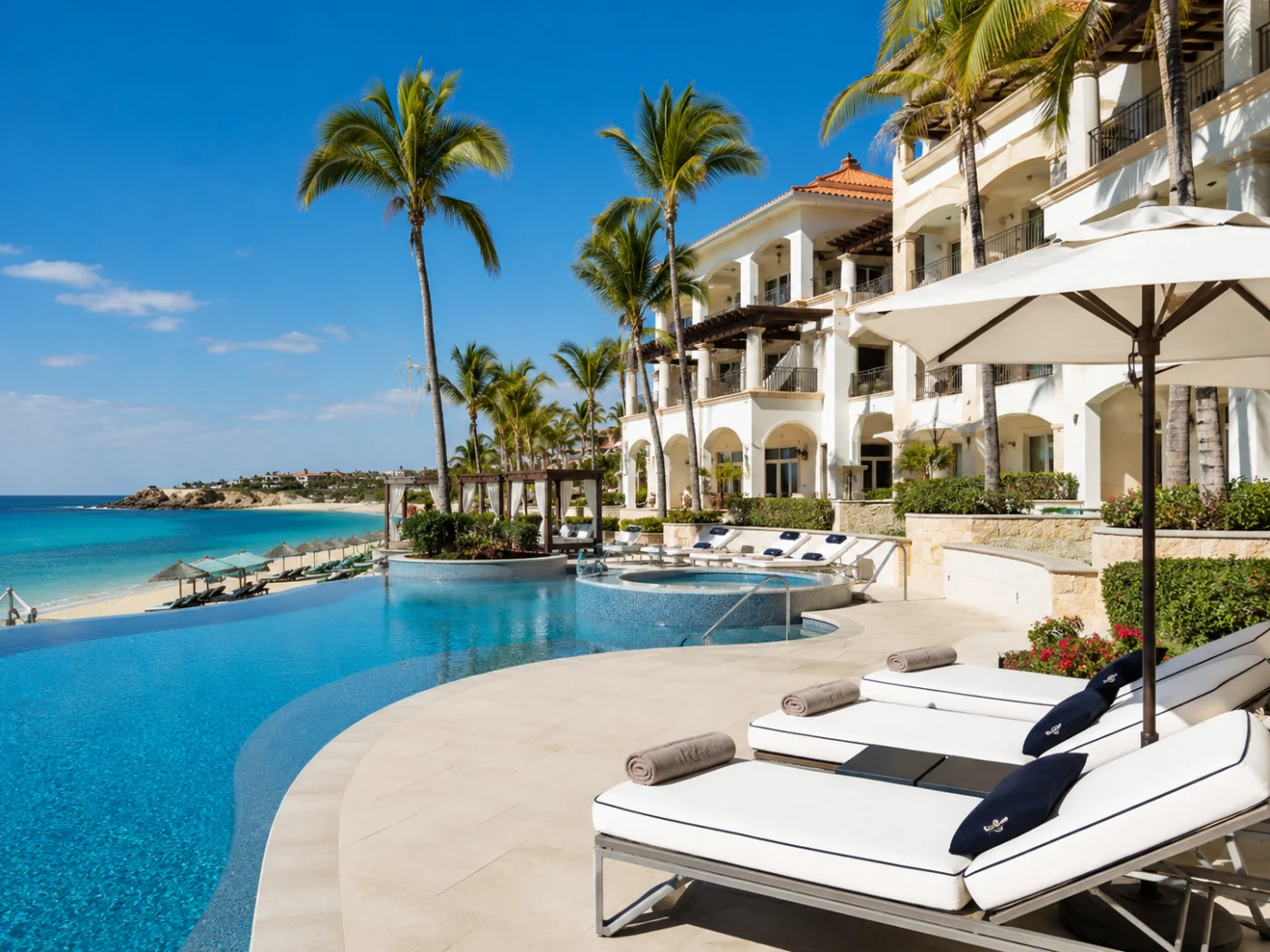
When is all-inclusive truly luxurious?
A long list of facilities does not in itself make a resort luxurious. The quality must be consistently high at all times of the day. On arrival, you shouldn’t have to queue for long; there are plenty of sun loungers by the pool; and during dinner, you’re attended to without having to constantly seek out a member of staff.
Personal service plays a major role. Staff know your room number, remember your dietary requirements and respond quickly if anything goes wrong. A request for a different table, an extra pillow or transport within the resort is dealt with without any fuss.
Peace and space are also part of the experience. A luxury hotel may be large, but it shouldn’t feel constantly crowded. Good resorts spread guests across several swimming pools, restaurants and beach areas. This reduces queues and makes your stay more pleasant, even when the hotel is nearly full.
A true luxury experience offers freedom. You don’t have to constantly worry about surcharges, bookings or opening hours. That doesn’t mean that literally everything has to be included, but the most important aspects of your stay should be available at no extra cost.
Five stars don’t tell the whole story
The five-star rating primarily indicates the facilities a hotel offers. Think of room sizes, reception service, room service, wellness facilities and the number of restaurants. The rating says less about the quality of the food or the attention staff give to guests.
The star rating system also varies by country and travel organisation. An official five-star hotel in Turkey may be rated differently from a hotel in Portugal. Travel organisations sometimes use their own rating system, meaning the same resort might be awarded five stars by one provider and four and a half stars by another.
You should therefore look beyond the number of stars. The number of rooms, the date of the last refurbishment and recent reviews often tell you more. A hotel with 600 rooms can provide good service, but it needs more staff and a well-organised layout to avoid waiting times.
Also be wary of terms such as ‘premium’, ‘luxury’ and ‘deluxe’. These terms are not protected. A ‘deluxe’ room may be barely any larger than a standard room. You should therefore always check the square metreage, the location and the additional services included with that room type.
Personalised service and butlers
In a luxury resort, you don’t have to chase up every booking yourself. A concierge or guest manager will help with restaurant bookings, transfers and excursions. In higher room categories, you may be assigned a dedicated butler who is available throughout your stay.
The scope of butler service varies greatly. At one hotel, the butler may simply take your luggage to your room and help you unpack. At another resort, the same member of staff might arrange sun loungers, restaurant bookings, breakfast in your room and transport within the grounds.
Before booking, ask exactly what the service entails. Also check how many rooms a single butler looks after and at what times they are available. A shared butler for dozens of suites offers a different experience to having a dedicated point of contact for a small villa area.
A good concierge is particularly useful when you want to do something outside the resort. In Belek, this might involve booking a tee time at a golf course. In Bodrum, the concierge can help arrange a boat trip or a restaurant in the marina. On Madeira, it often involves private transport or a guided walk.
À la carte dining and fine dining
Dining is a key difference between a standard all-inclusive hotel and a luxury resort. An extensive buffet can be good, but after a few days, the wide choice starts to feel repetitive. Luxury hotels therefore offer several à la carte restaurants with table service.
Don’t just look at the number of restaurants. Check how often you can eat there at no extra cost. Some resorts include one complimentary dinner per week. Other hotels let guests choose every evening, subject to availability. That difference has a major impact on the experience.
Booking rules deserve attention. At popular resorts, you have to book via an app, and new time slots become available every morning. If all the tables are fully booked within minutes, having six restaurants listed on the hotel website is of little use.
Fine dining means more than just small portions and smart plates. The ingredients, service and timing must all be just right. A good sommelier, a changing menu and attention to allergies speak volumes more than a formal dress code.
Premium drinks and minibar
Premium all-inclusive doesn’t automatically mean that every international drinks brand is included. Many resorts offer a selection of well-known brands, whilst exclusive whiskies, champagne and special wines remain subject to a charge.
So be sure to ask for the current drinks menu. Find out which gins, rums, vodkas and whiskies are served at no extra charge. Also check whether cocktails are made with original brands or local alternatives.
Wine is often a weaker aspect of all-inclusive packages. House wine is usually included, but a bottle from the wine list costs extra. In more luxurious resorts, you can choose from several wines by the glass at dinner. This is more in keeping with a sophisticated package.
The minibar varies depending on the room type. In a standard room, it may contain water, soft drinks and beer. Guests in suites are more likely to find wine, spirits or snacks. Check how often the minibar is restocked and whether all restocking is included.
Suites and private swimming pools
A suite with a private swimming pool offers comfort and tranquillity, but the term ‘private’ is used quite loosely. With a swim-up room, you often share a long swimming pool with other rooms. You have direct access from the terrace, but the pool isn’t entirely your own.
A truly private swimming pool belongs solely to your room or villa. That doesn’t necessarily mean the terrace is out of sight, however. Pathways, restaurants and rooms on higher levels may overlook the pool. You should therefore check floor plans and recent photos posted by guests.
Also bear in mind the water temperature. In May and October, and in windy locations, an unheated swimming pool can feel rather chilly. Pool heating is sometimes included, but can also cost tens of euros a day.
The location determines how much sun the terrace gets. A suite on the wrong side of the building may be in the shade for much of the day. That’s pleasant in August, but less appealing in spring.
Small-scale boutique resorts
A boutique resort often has fewer rooms and a more personal atmosphere. Staff recognise guests quickly and distances within the hotel are short. It’s usually quieter around the swimming pool and booking a table for dinner is easier.
However, the range of facilities is more limited. A small-scale hotel may have just two restaurants and one swimming pool. Entertainment, sports and childcare are also less extensive than in a large resort.
These hotels are well suited to couples who value peace and quiet, good food and personalised attention. You pay less for large shows and water parks that you wouldn’t use anyway. The extra cost is mainly for service, room space and fine dining.
Check whether the hotel operates on a fully all-inclusive basis. Some luxury boutique hotels only offer breakfast or half-board. A package deal may seem good value at first glance, but drinks and dinners can quickly make your stay more expensive.
Large luxury resorts
Large resorts offer more choice. In Belek, you’ll find hotels with multiple swimming pools, extensive spa facilities, golf courses and sometimes more than ten restaurants. This works well for families and groups, as not everyone has to follow the same daily schedule.
However, the sheer scale can also have its drawbacks. The distance between your room and the beach can sometimes be considerable. Queues can form at breakfast, and you’ll need to book well in advance for popular restaurants.
Good luxury resorts solve this by creating separate zones. Guests staying in villas or premium rooms are given access to quiet swimming pools, lounges and reserved sections of the beach. This ensures that even a large hotel still feels personal.
Check the site plan before booking. A budget room in an annexe may be a long way from the centre of the resort. If you have mobility issues or are travelling with young children, it’s best to choose a centrally located room.
Luxury with or without children
A luxury family resort needs more than just a slide and a play area. Good kids’ clubs operate with clear age groups, regular activities and sufficient supervision. Parents benefit from family rooms with separate bedrooms and restaurants where children are served quickly.
Some resorts offer a babysitting service, baby food and pushchairs. These services are not always included. Enquire in advance about prices and availability, especially during school holidays.
Those travelling without children can opt for an adults-only resort. The minimum age is usually sixteen or eighteen, but may be lower. Check this carefully if peace and quiet is a key reason for booking.
An adults-only area within a family hotel offers a compromise. You’ll have access to a quiet swimming pool or restaurant, whilst still being able to use all the facilities of the main resort. Around the main buffet and during evening shows, the family atmosphere remains.
Belek and Bodrum
Belek offers a wide range of spacious luxury resorts. Many hotels are situated directly on a sandy beach and feature large gardens, multiple swimming pools and extensive sports facilities. Golfers can choose from various courses in the immediate vicinity.
Value for money is often good, particularly in May, June, September and October. For the same price, you’ll usually get more restaurants and facilities in Belek than in southern Europe. During the summer holidays, prices rise significantly.
Bodrum has a different atmosphere. Resorts are often set against hillsides or around small bays. The emphasis is more on design, views and beach clubs. There can be significant differences in elevation, meaning that stairs and shuttle buses are a regular part of your stay.
Beaches in Bodrum are often narrower than in Belek. Some hotels use wooden platforms and jetties to provide access to the sea. This suits couples well, but is less convenient for young children who like to play in shallow sand.
Crete, Madeira and the Algarve
In Crete, you’ll find luxury resorts around Elounda, Agios Nikolaos, Chersonissos and Rethymnon. Elounda focuses heavily on suites and villas with private pools. Around Chersonissos, there’s a wider range of large family hotels.
The best hotels incorporate Cretan produce into their menus. Local olive oil, cheeses, fish and wine give dinner more character than a fully international buffet. Check whether the Greek restaurant is included several times during your stay.
Madeira has fewer traditional all-inclusive resorts. Many luxury hotels offer breakfast, half-board or a comprehensive package where some drinks are included. This suits travellers who do a lot of walking and are regularly out and about.
In the Algarve, luxury resorts are situated around Albufeira, Vilamoura, Lagos and Quinta do Lago. Golf and wellness play a major role there. Fully all-inclusive packages are less common than in Turkey. You should therefore work out carefully how much dinners and drinks will cost outside the package.
When is luxury worth the extra cost?
For a week’s luxury all-inclusive holiday including flights, you’ll often pay between 1,500 and 2,500 euros per person outside school holidays. In high season, the same stay can cost hundreds of euros more. A suite with a private pool often costs between 2,500 and 4,500 euros per person.
The extra cost is particularly worthwhile if you spend a lot of time at the resort. You’ll then be making daily use of good restaurants, premium drinks and personalised service. Those who go out every day end up paying for facilities they rarely use.
Always compare the total price. A cheaper five-star hotel with surcharges for restaurants, room service and drinks may end up costing more than a resort with a more inclusive package. Also factor in airport transfers, luggage and booking fees.
May, June, September and October often offer the best value for money. It’s less crowded and the temperatures are pleasant. Do check, however, whether all restaurants, outdoor bars and swimming pools are open during that period.
How to avoid disappointment
Read the full description of the all-inclusive package. Check the times, exclusions and surcharges. The term ‘24 hours’ sometimes simply means that a small snack bar is open at night.
Check the exact room type on your booking confirmation. Names such as ‘premium sea view’ and ‘deluxe garden view’ sound similar, but can differ significantly in terms of location and access to additional facilities.
Recent reviews provide the best insight into day-to-day experiences. Look out in particular for comments on restaurant bookings, sun loungers, noise levels and the service provided when problems arise. Reviews from the same month of travel are the most useful.
Keep a copy of the package description after booking. Hotel concepts and terms and conditions are subject to change. With the original information, you’ll be better able to demonstrate on arrival what was included in your holiday.
Frequently asked questions about luxury all-inclusive holidays
Is everything really included in a luxury all-inclusive holiday?
Usually not. Exclusive wines, champagne, premium spirits, spa treatments and some activities often incur an extra charge. Read the terms and conditions and ask for the current menus and price lists.
Are all premium drink brands available without restriction?
That varies from hotel to hotel. Often, a selection of well-known brands is included, whilst aged whisky, speciality gins and bottled wine are charged separately. Some drinks are only available in certain bars or at set times.
Do you need to tip at a luxury all-inclusive resort?
Tips are not usually compulsory, but are often appreciated. You can give a small amount to a member of staff who provides good service. Check whether a service charge has already been included in your booking or on your hotel bill.
Is there a dress code in the restaurants?
For buffets, smart casual wear is usually sufficient. À la carte restaurants sometimes require men to wear long trousers and closed-toe shoes. Swimwear, flip-flops and sportswear are often not permitted at dinner.
Is an adults-only resort always quieter?
Often, yes, but the location and the entertainment programme remain important factors. An adults-only hotel with loud music by the pool can feel busier than a quiet family hotel. Read recent reviews about noise levels and atmosphere.
Is a private swimming pool worth the extra cost?
That depends on how much time you spend in your room. It can be a good choice for peace and privacy. Check in advance the sun exposure, privacy and any costs for heating.
Is a luxury all-inclusive resort suitable for children?
Yes, provided the resort has good family rooms, childcare facilities and suitable restaurants. A large water park says little about the quality of supervision. Check the age groups, opening hours and costs for childcare services.
When is the best time to book a luxury all-inclusive holiday?
May, June, September and October are often cheaper than July and August. For Turkey and Crete, the weather is usually ideal for a sun holiday at that time. Do check which outdoor facilities are open in the early season.