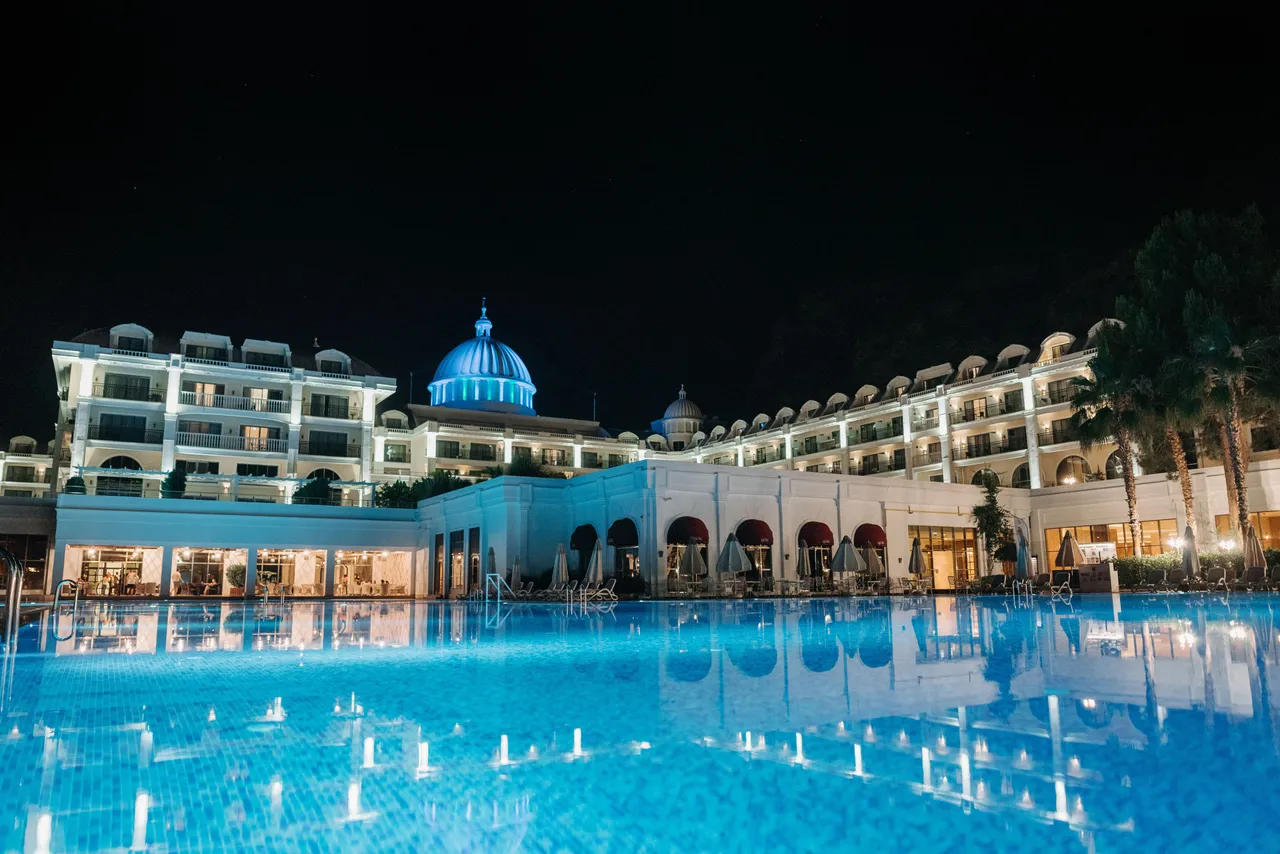
All-inclusive with pool
Guaranteed cooling off: all-inclusive resorts with one or more swimming pools.
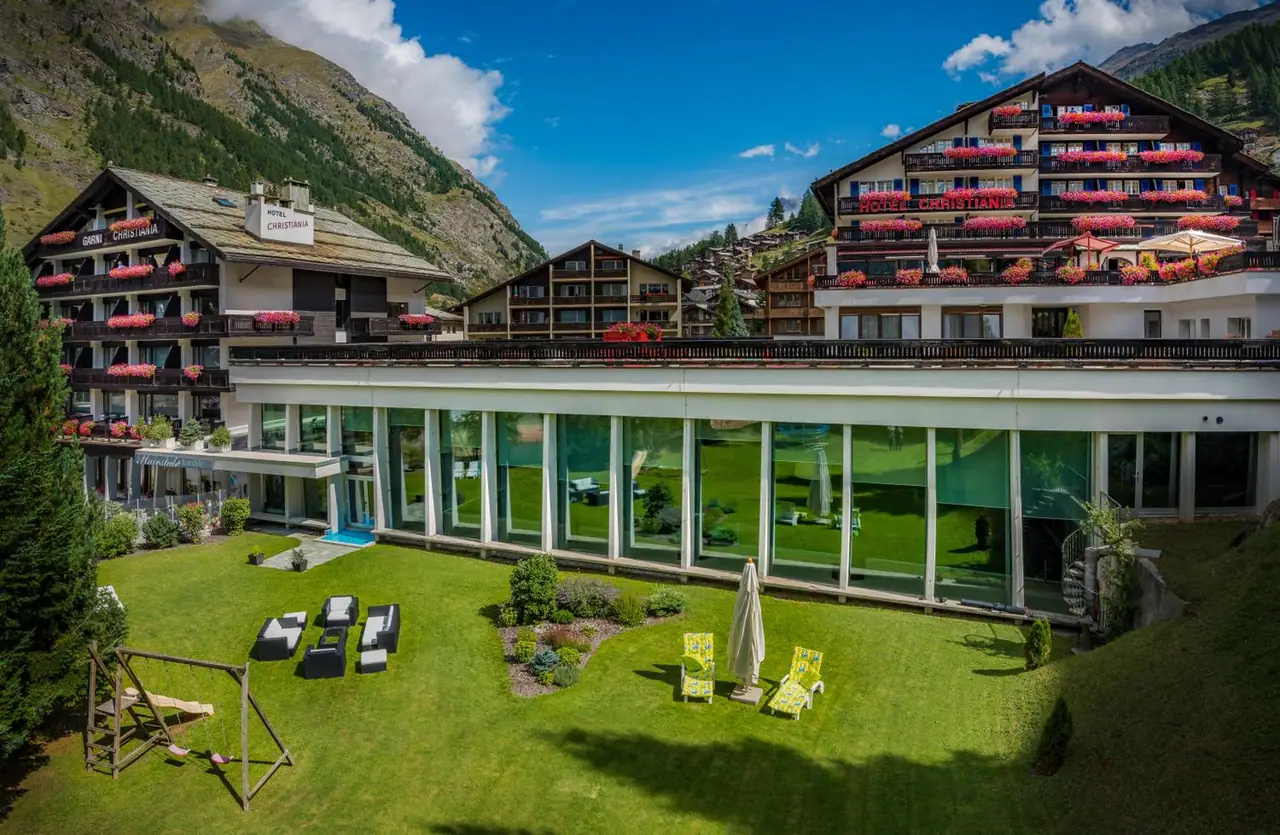
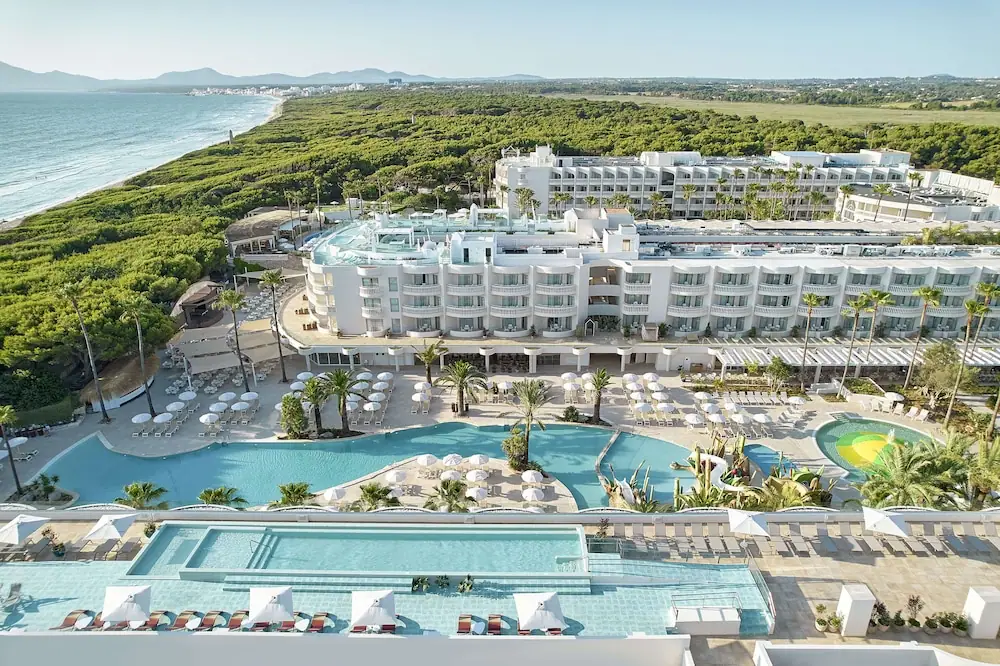
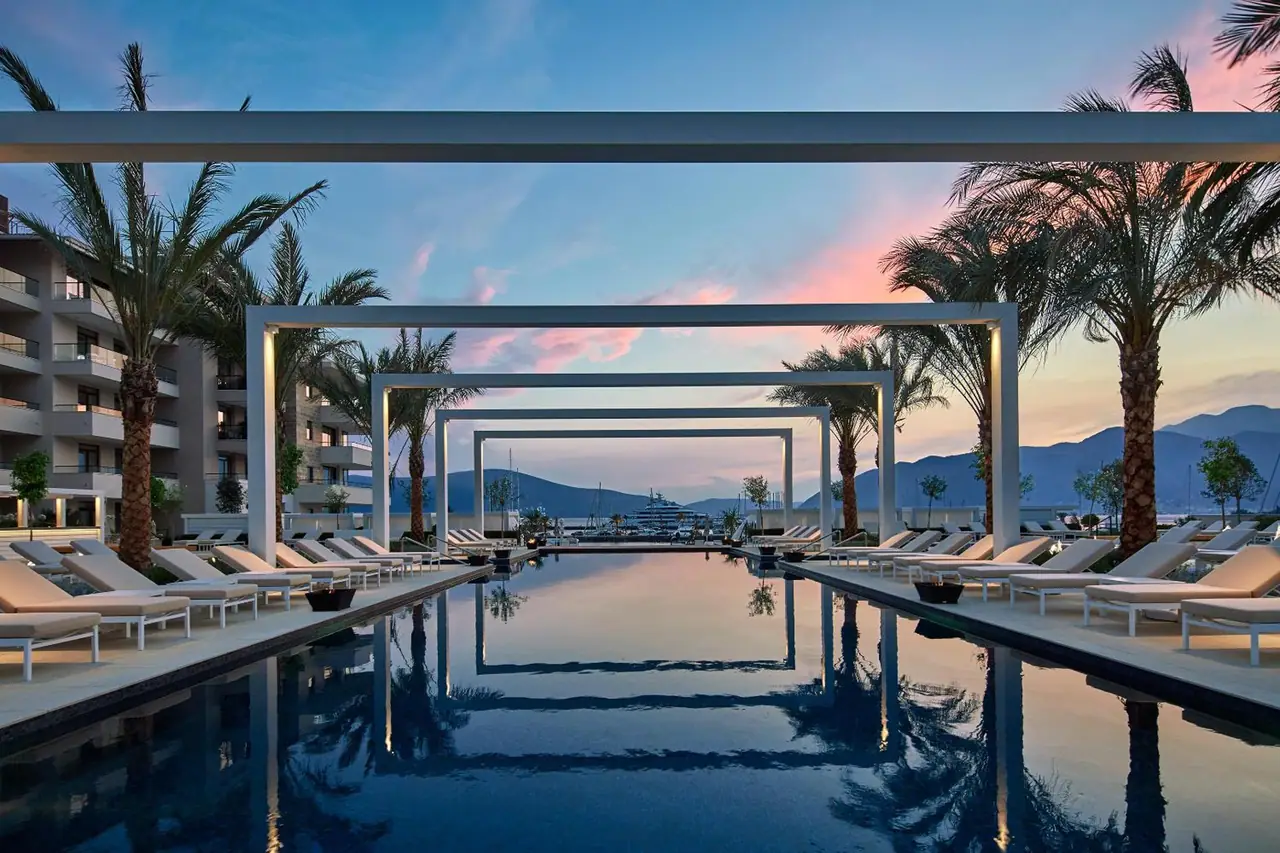
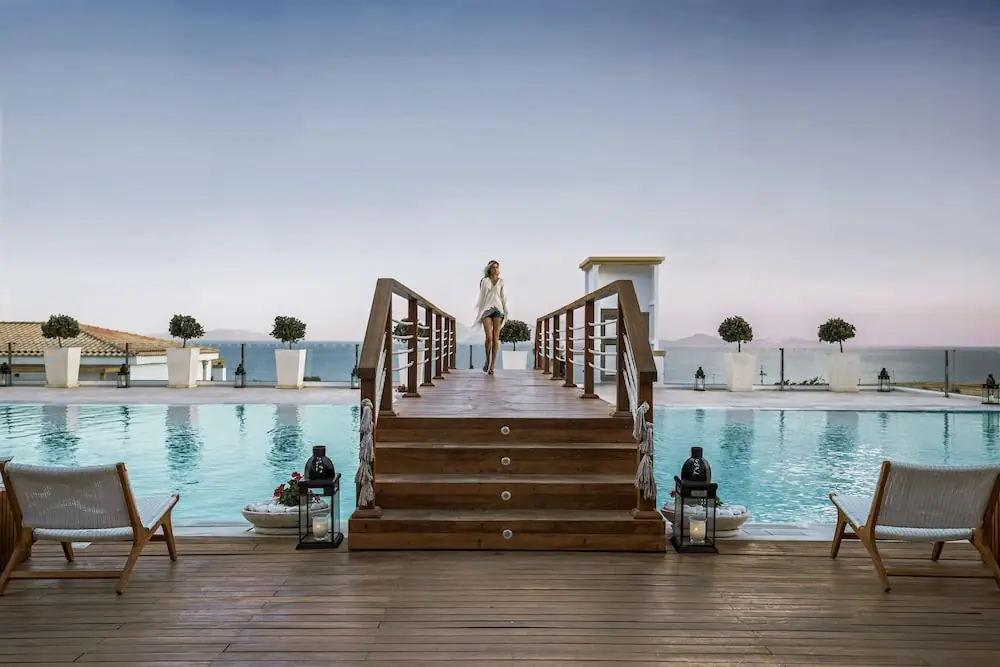
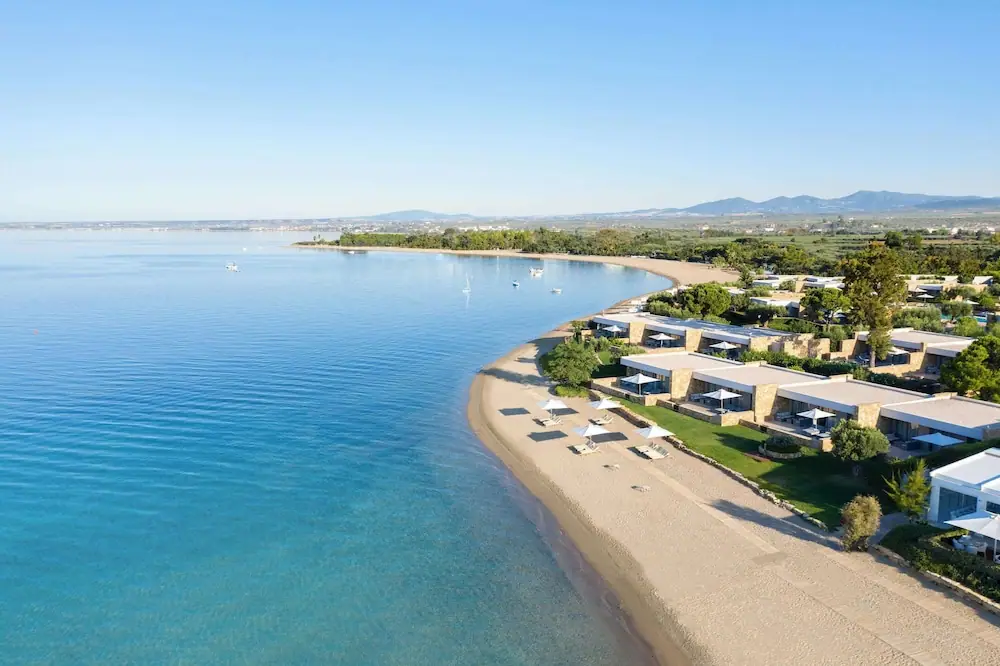
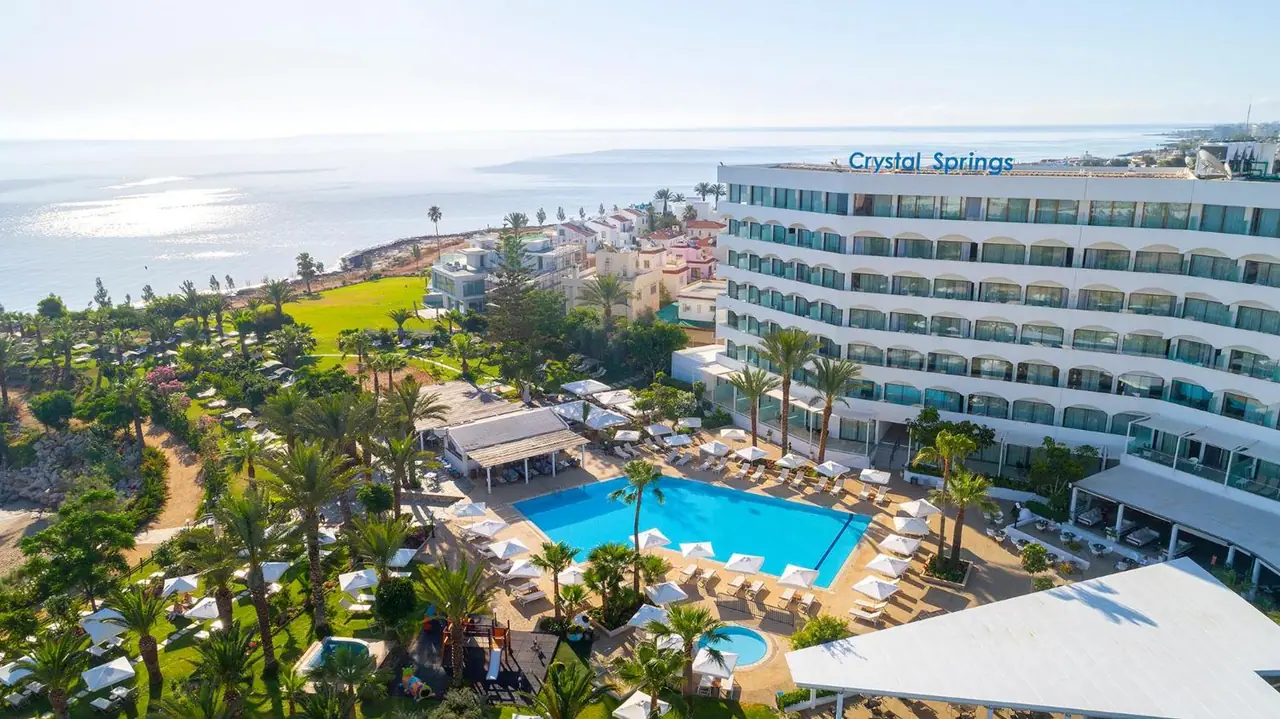
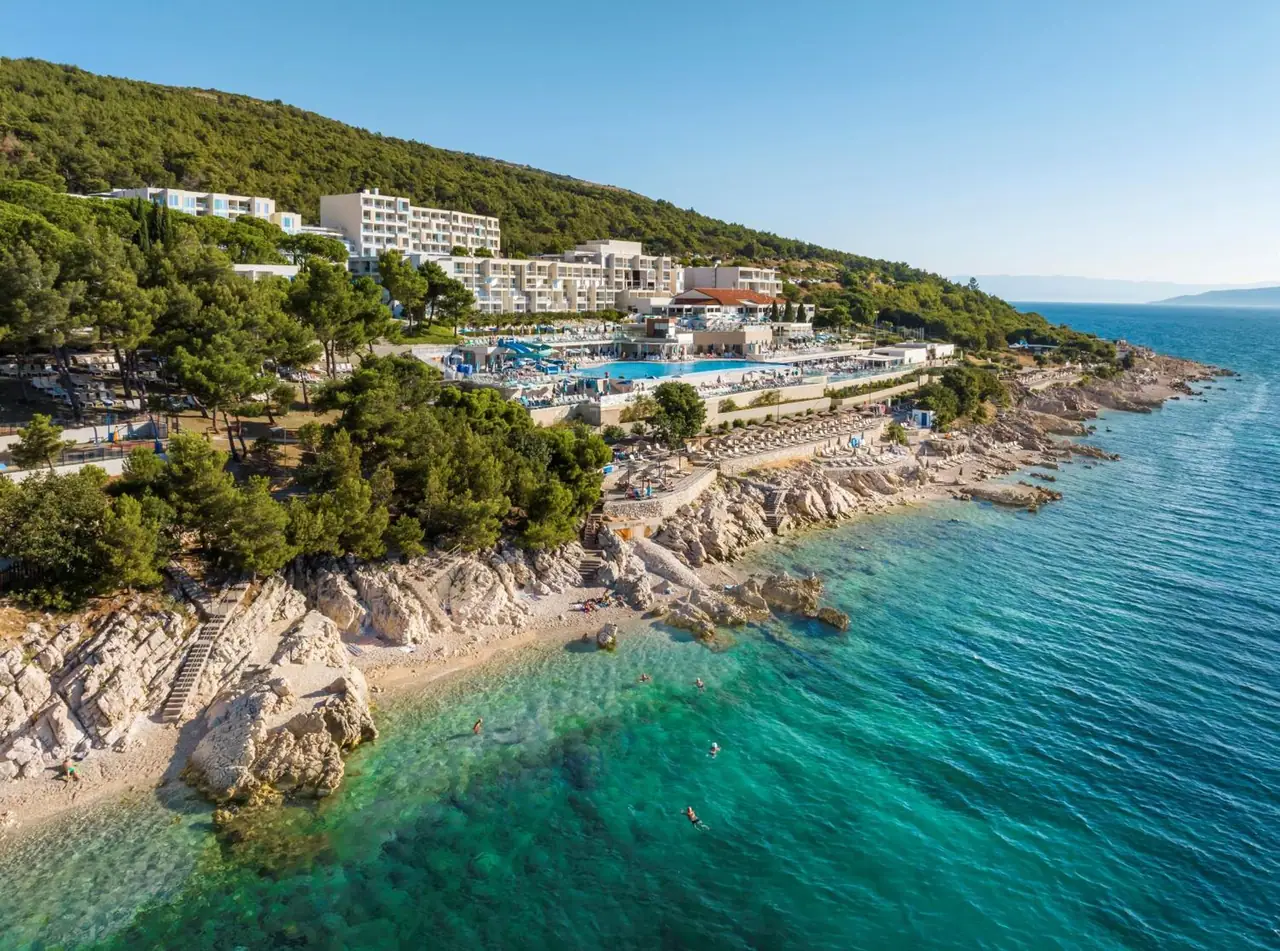
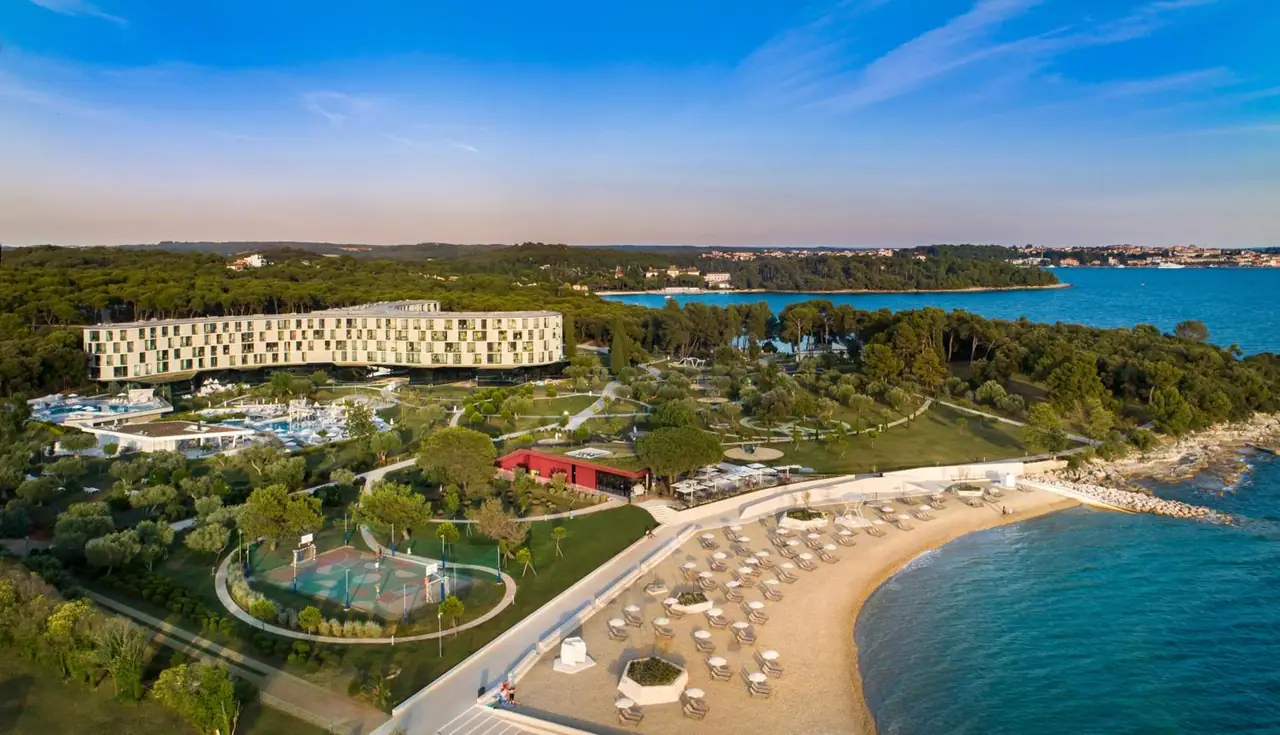
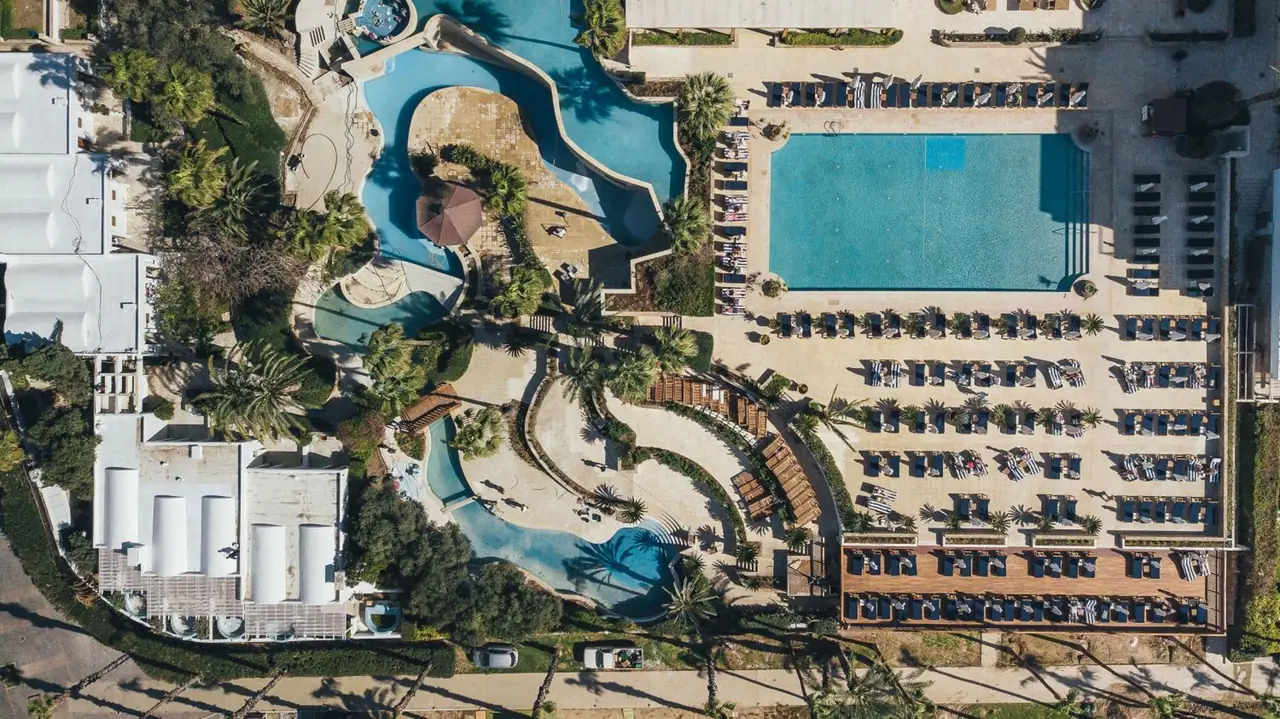
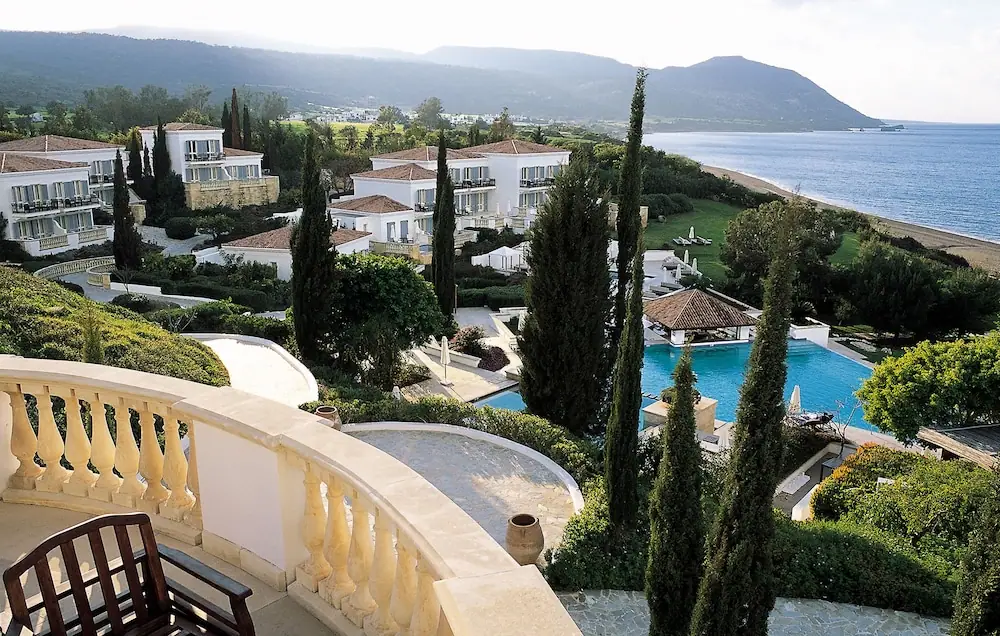
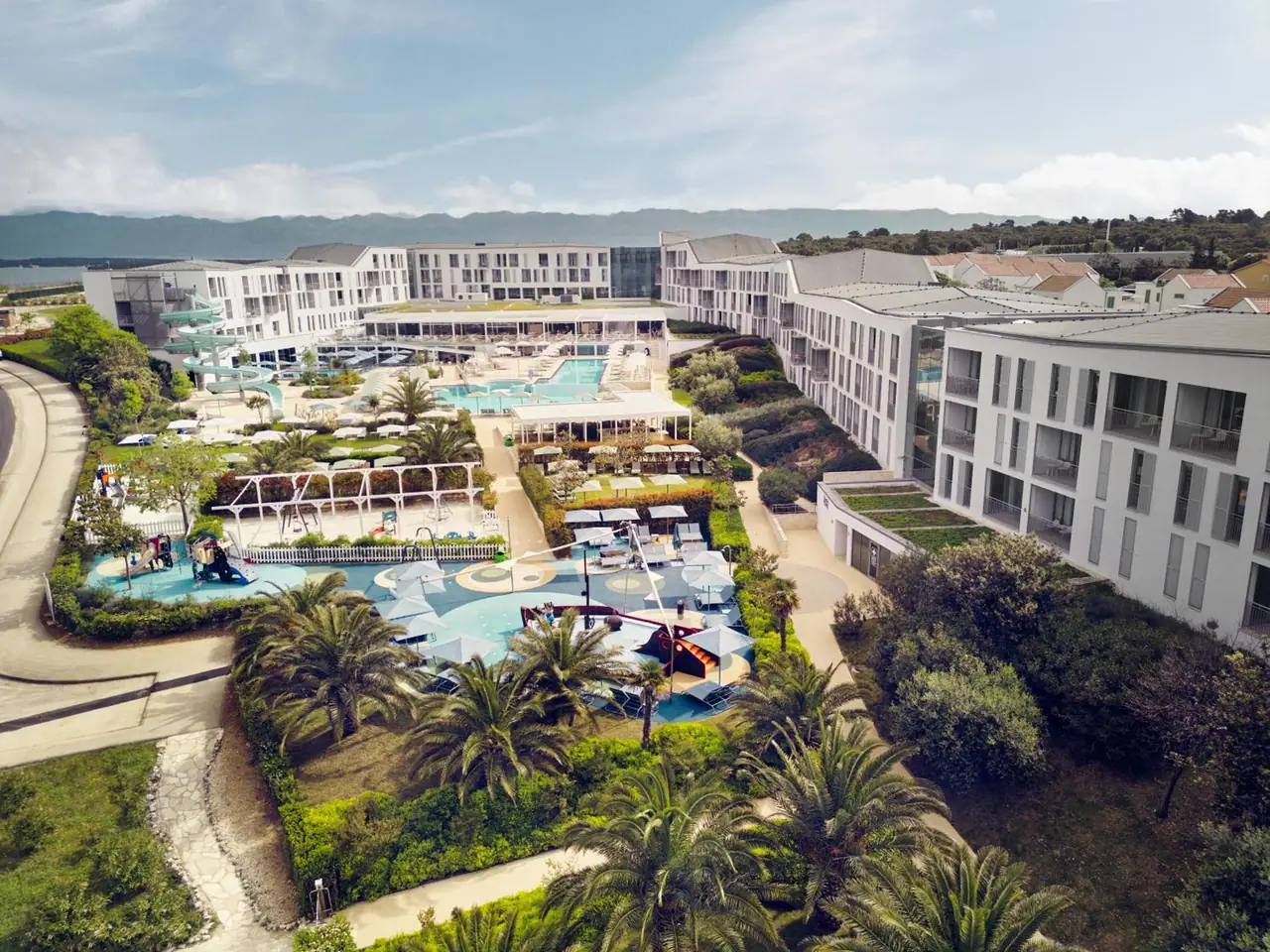
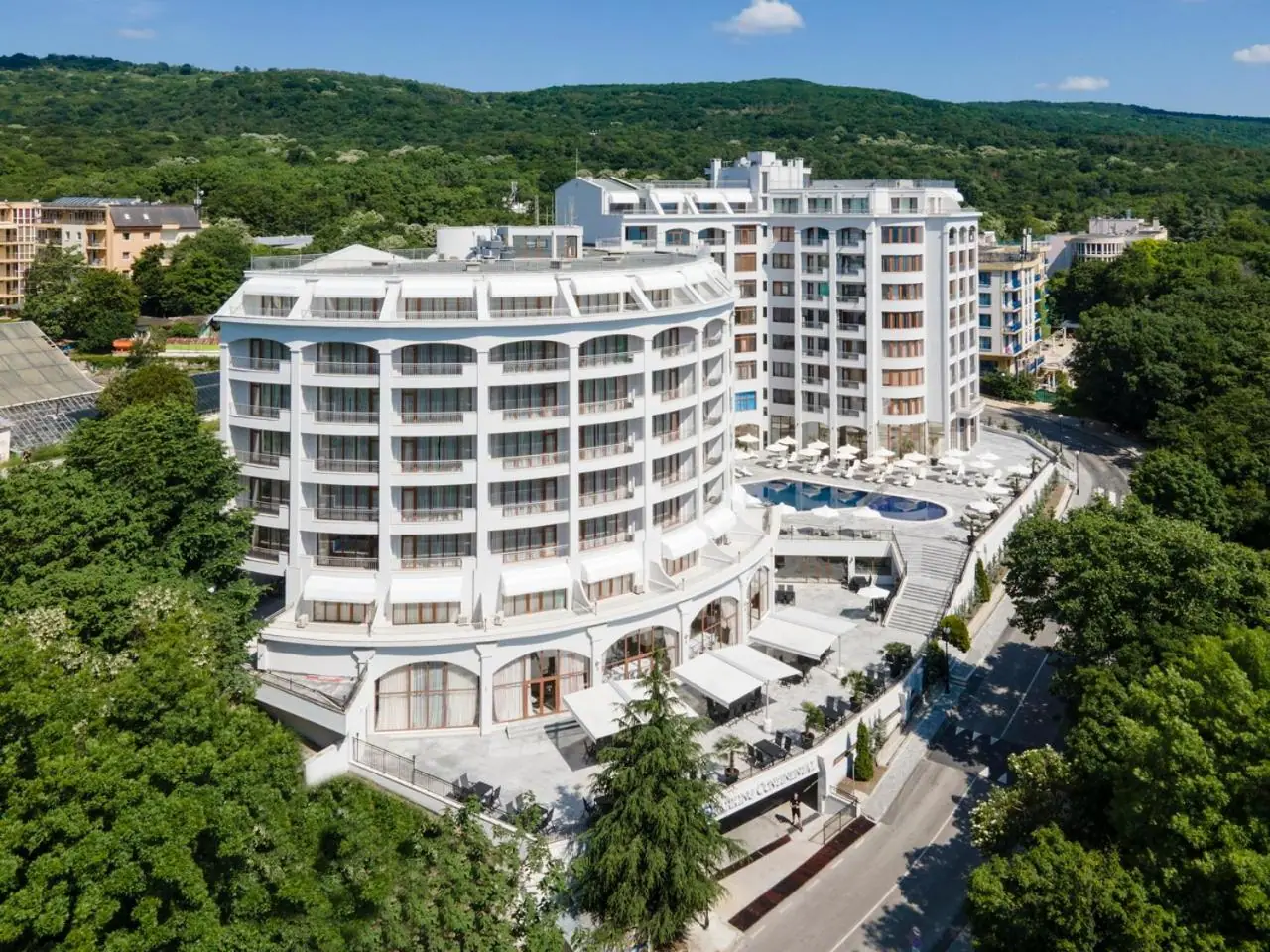
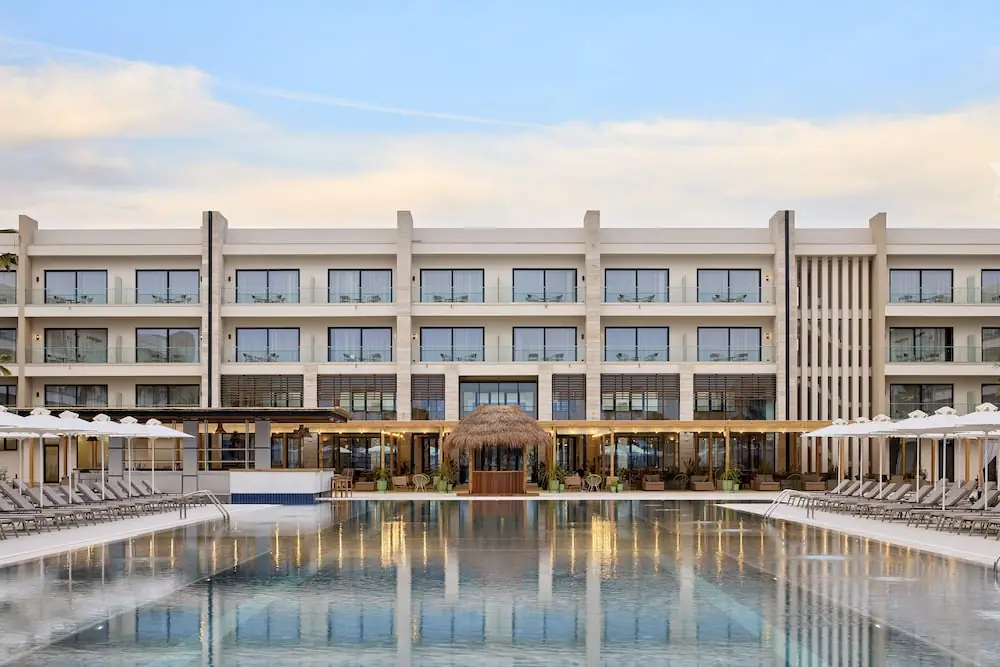
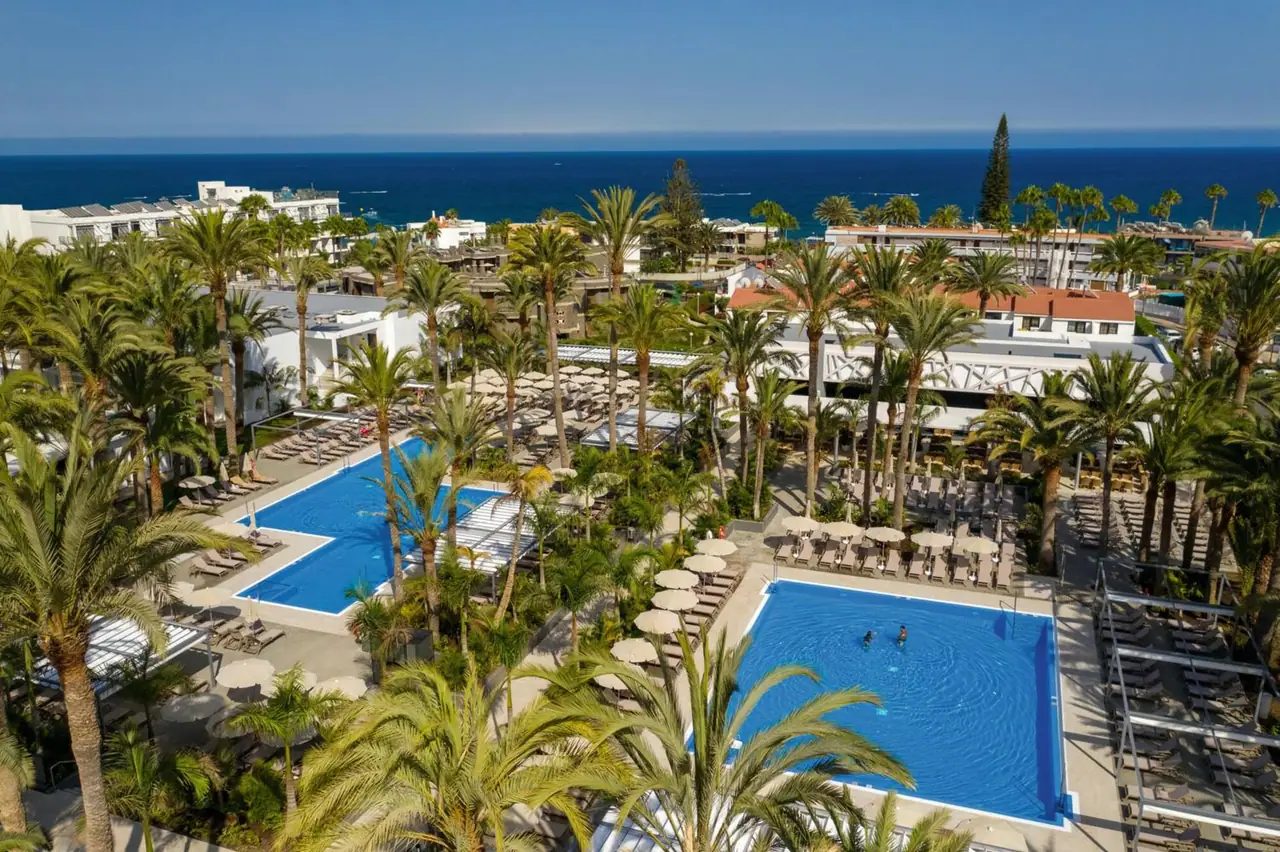
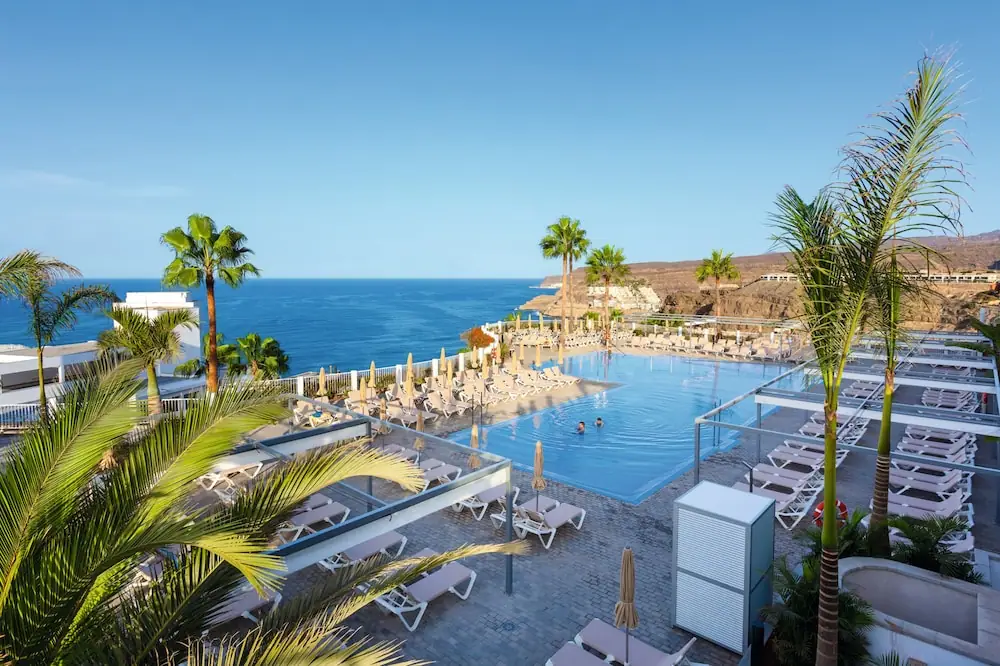
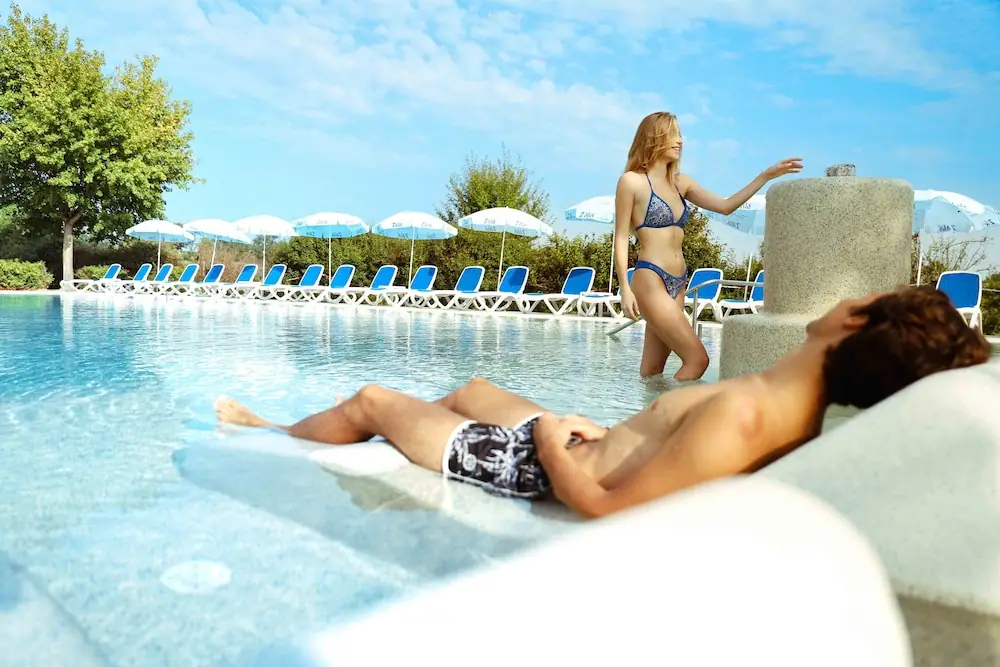
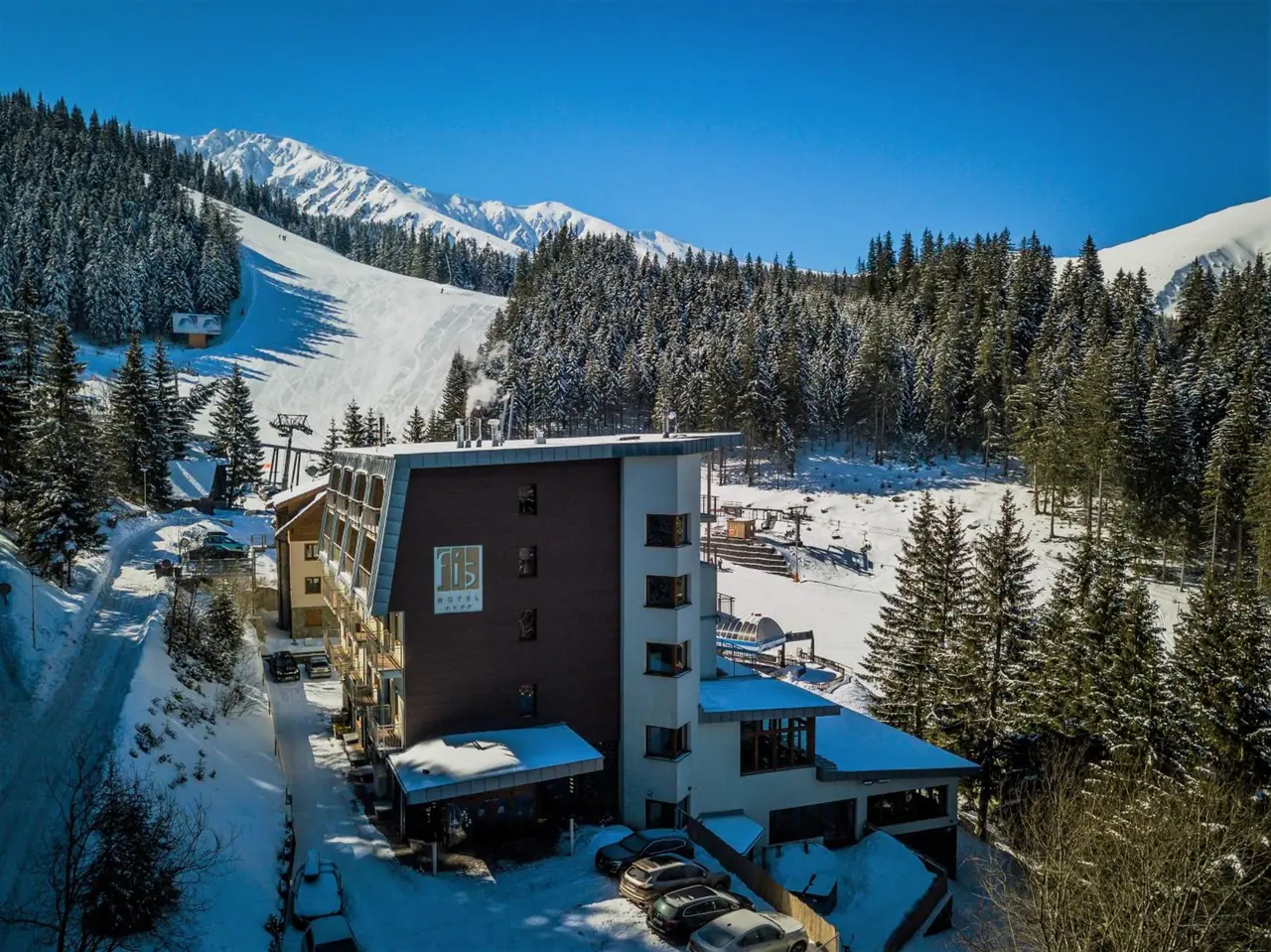
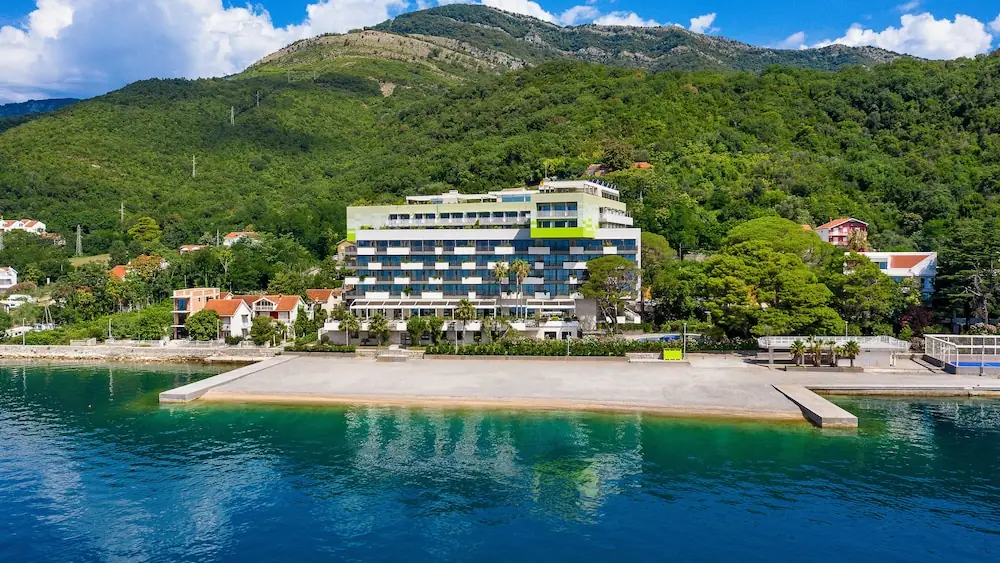
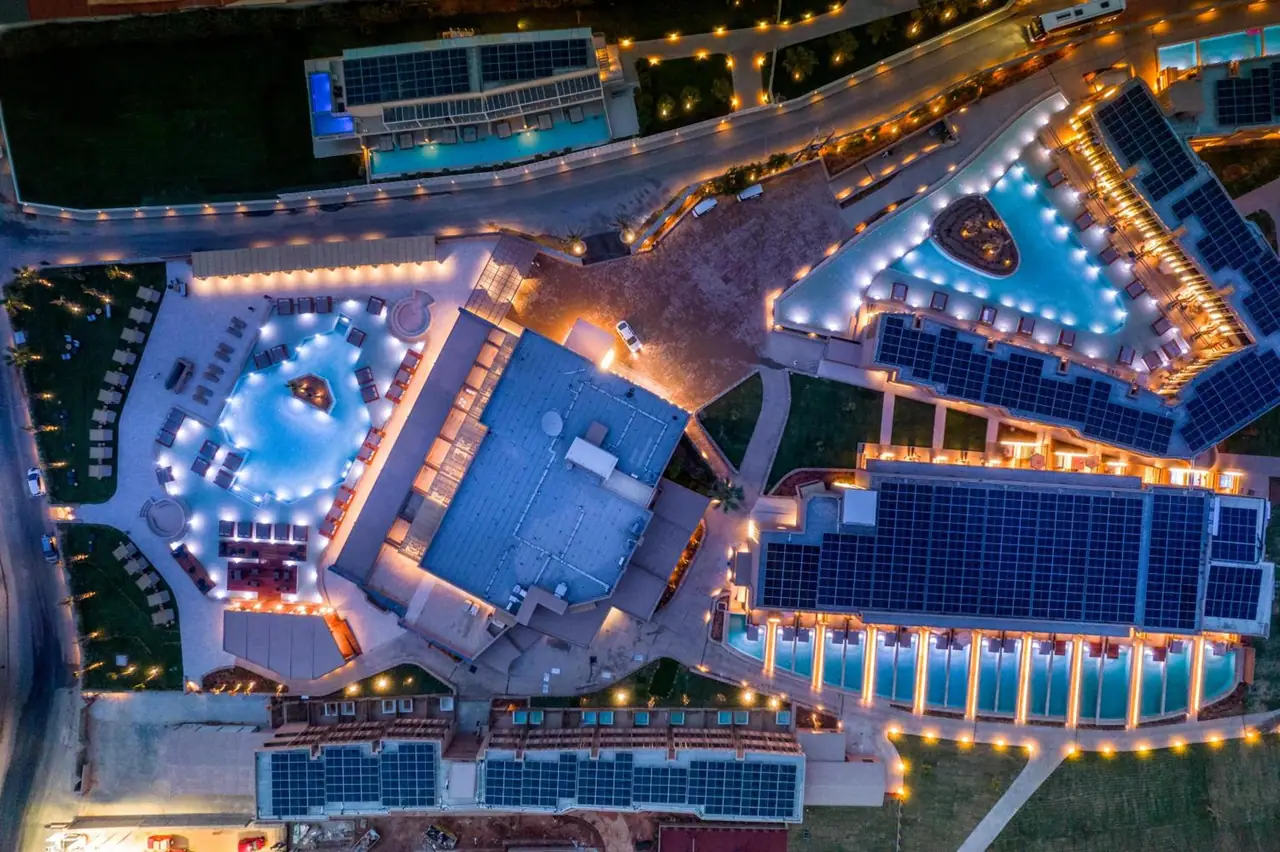
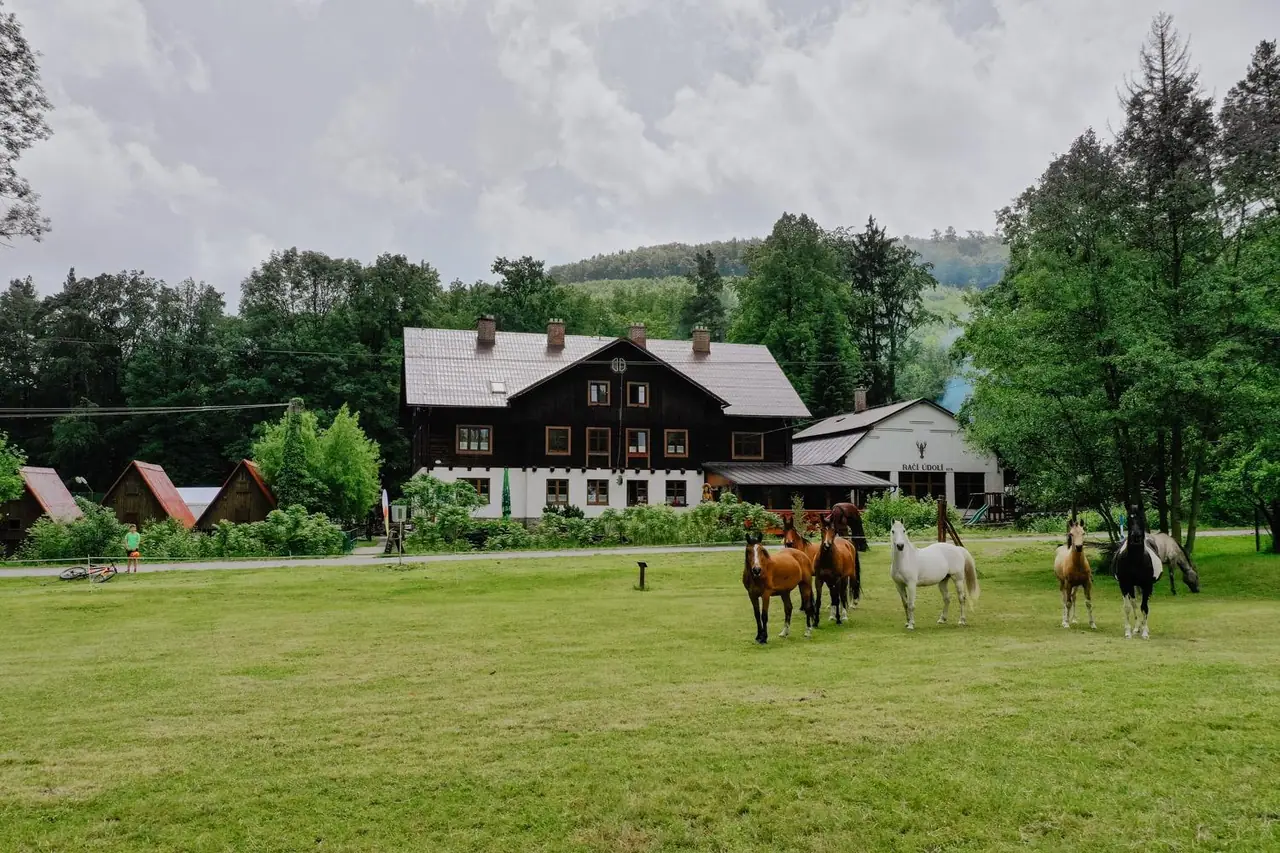
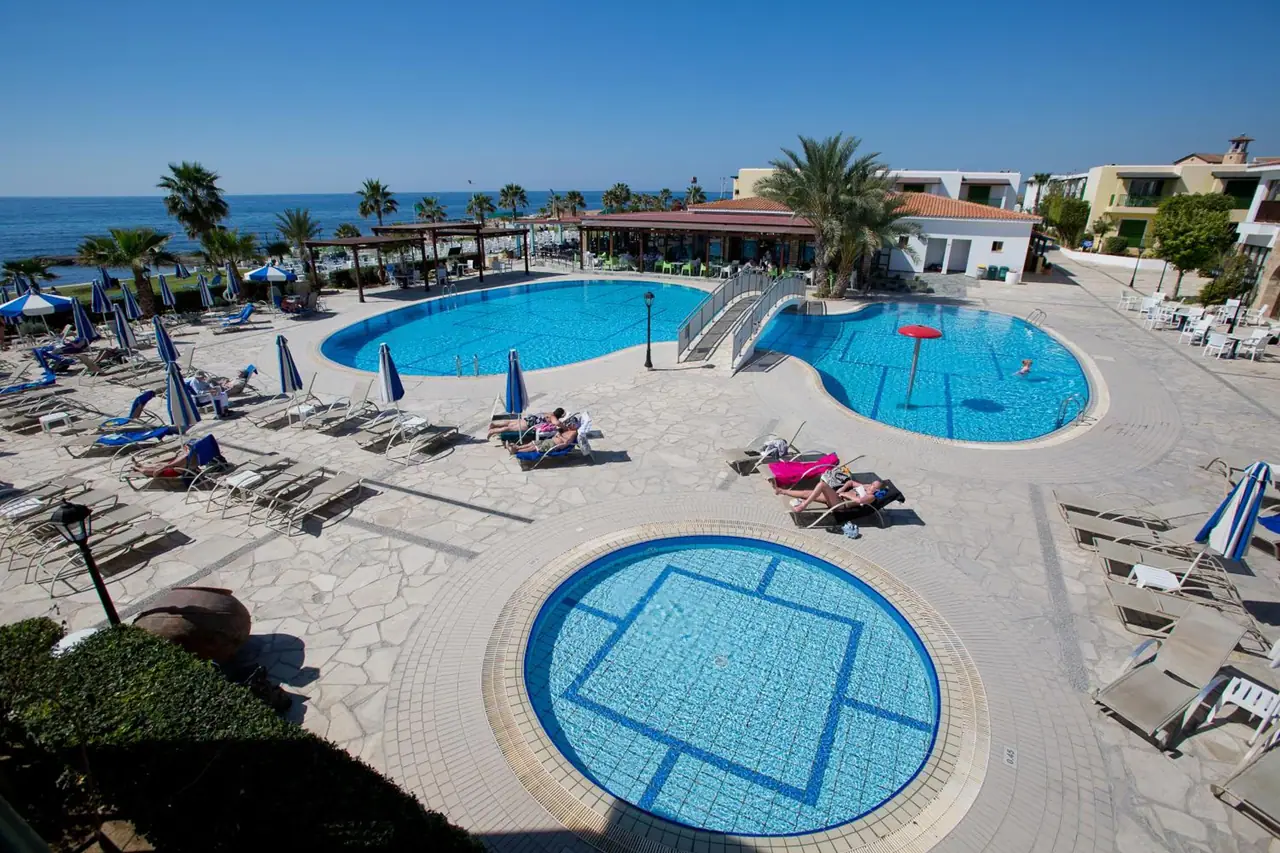
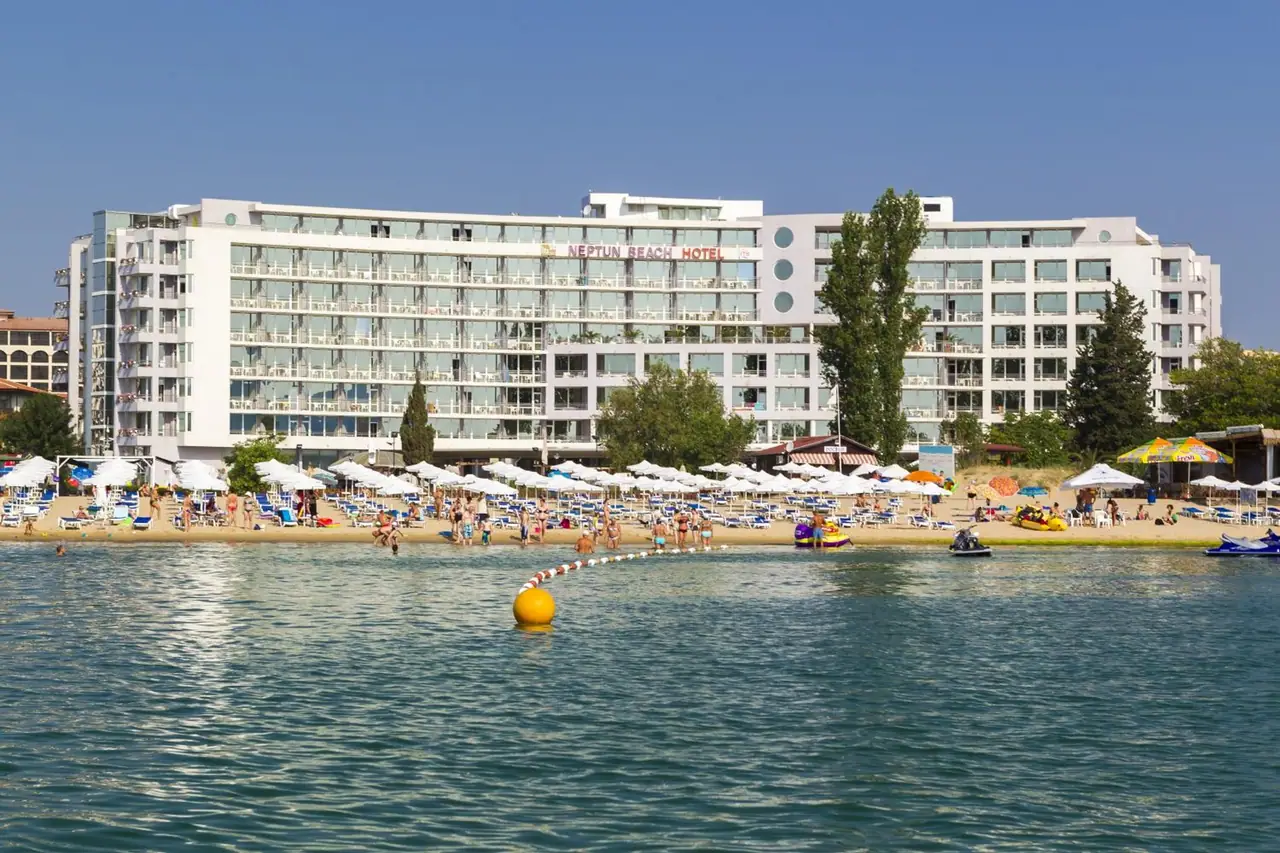
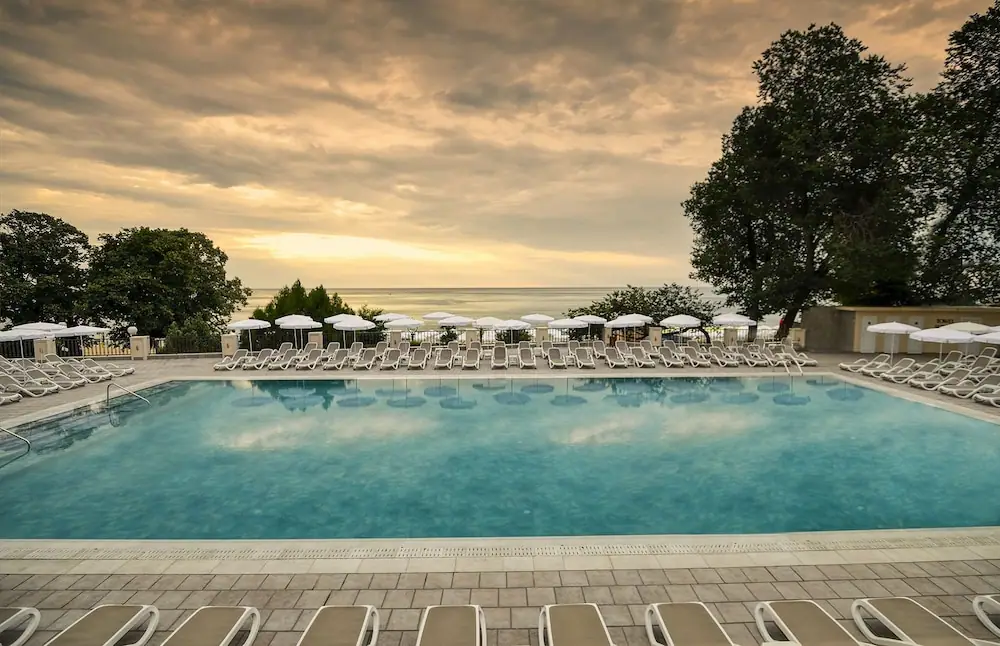
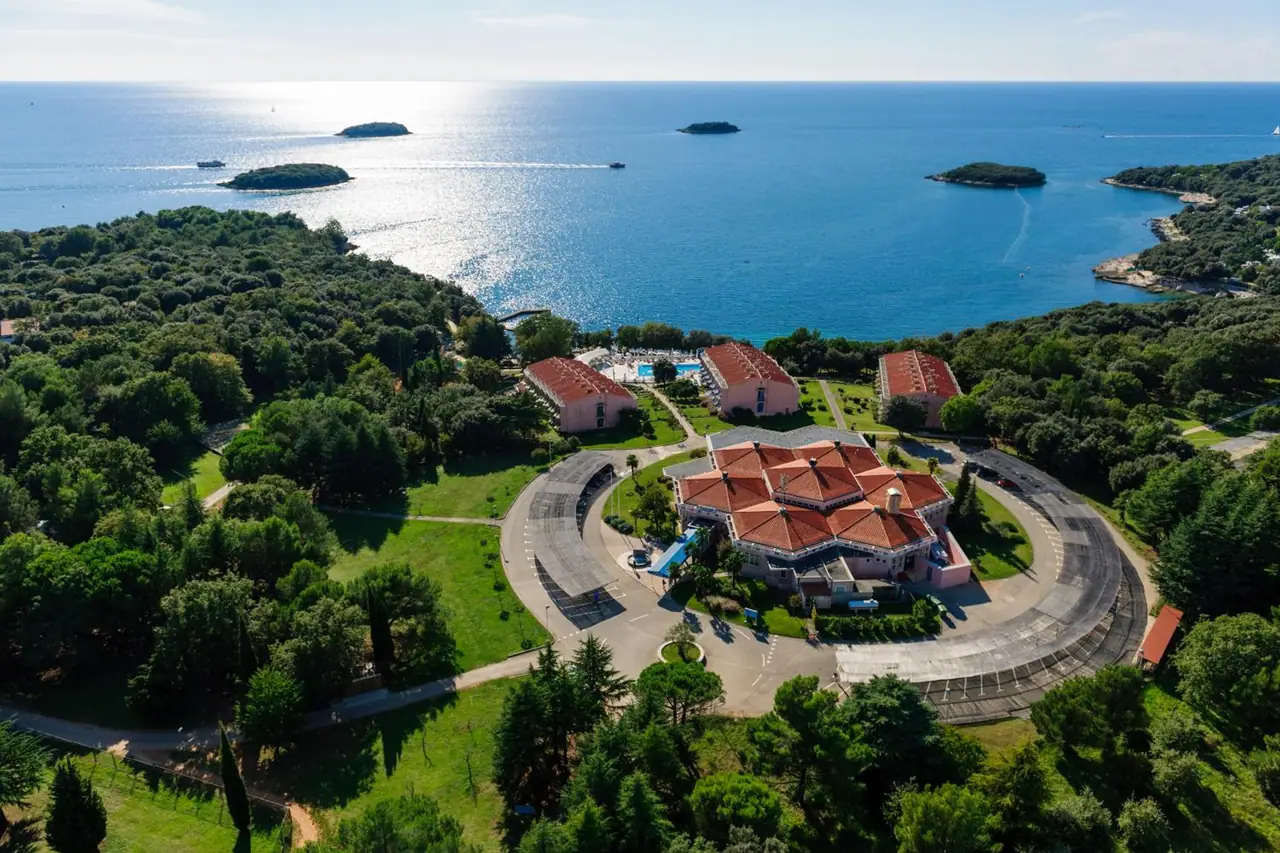
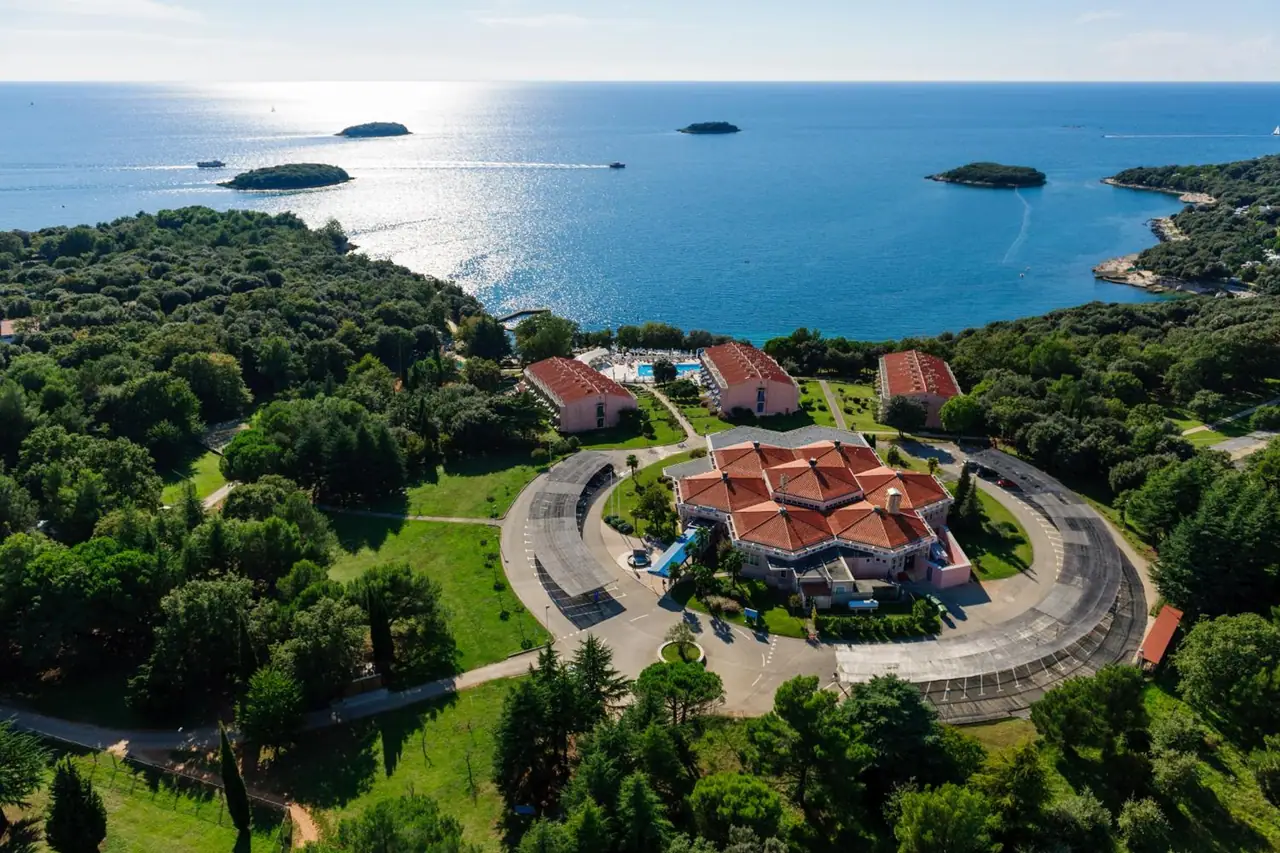
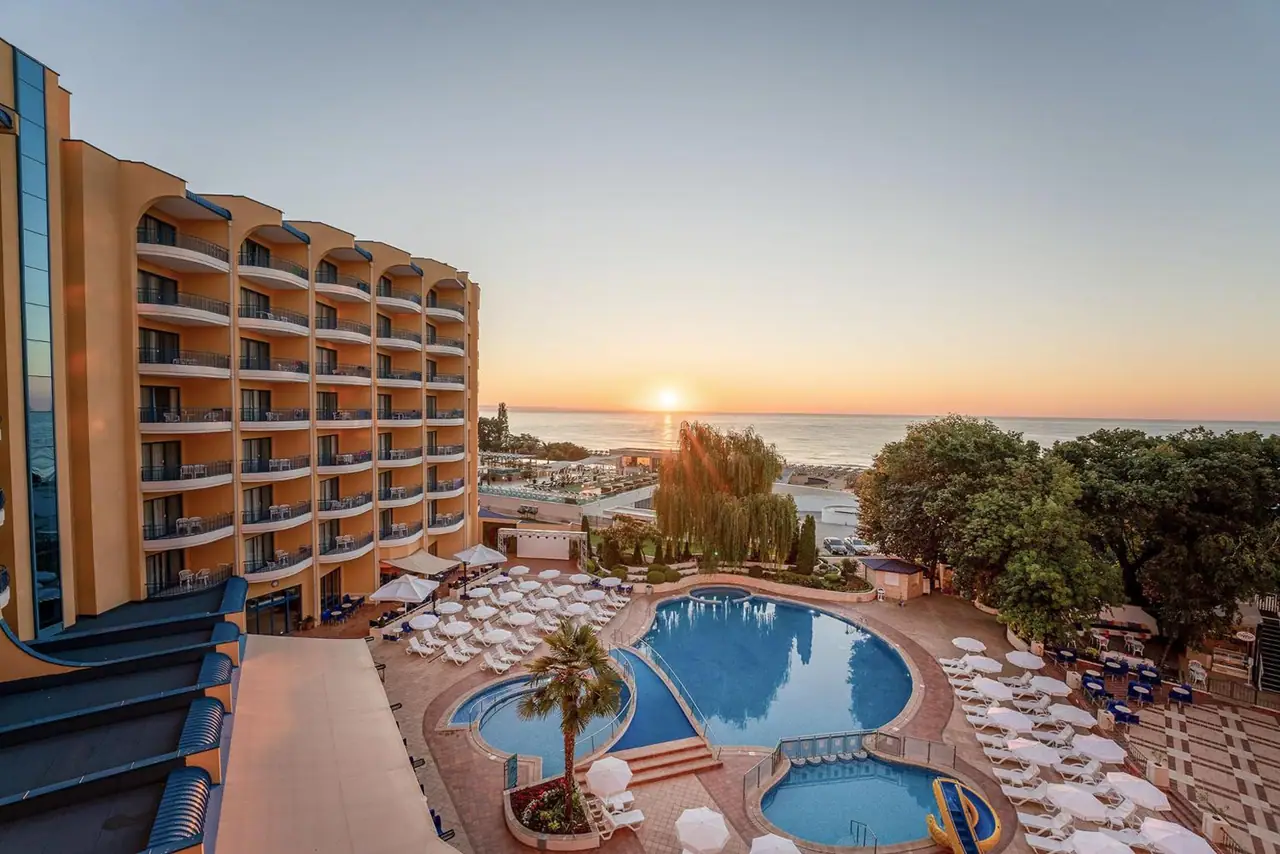
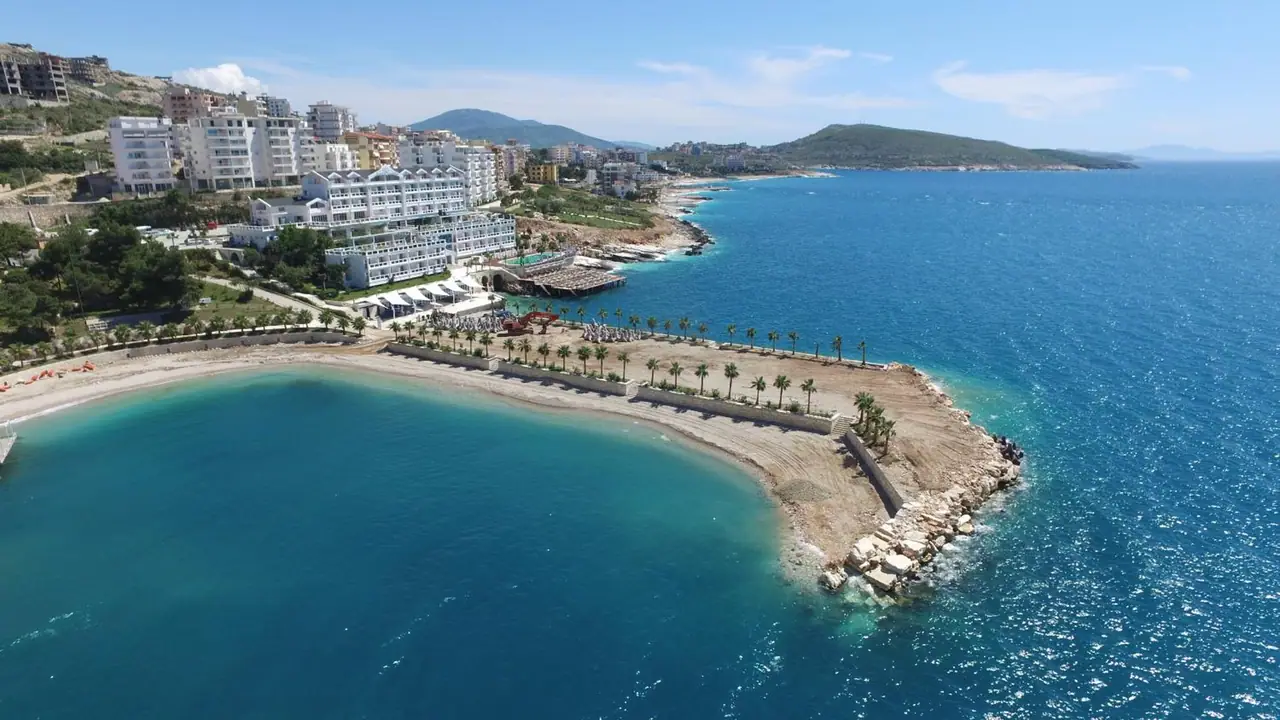
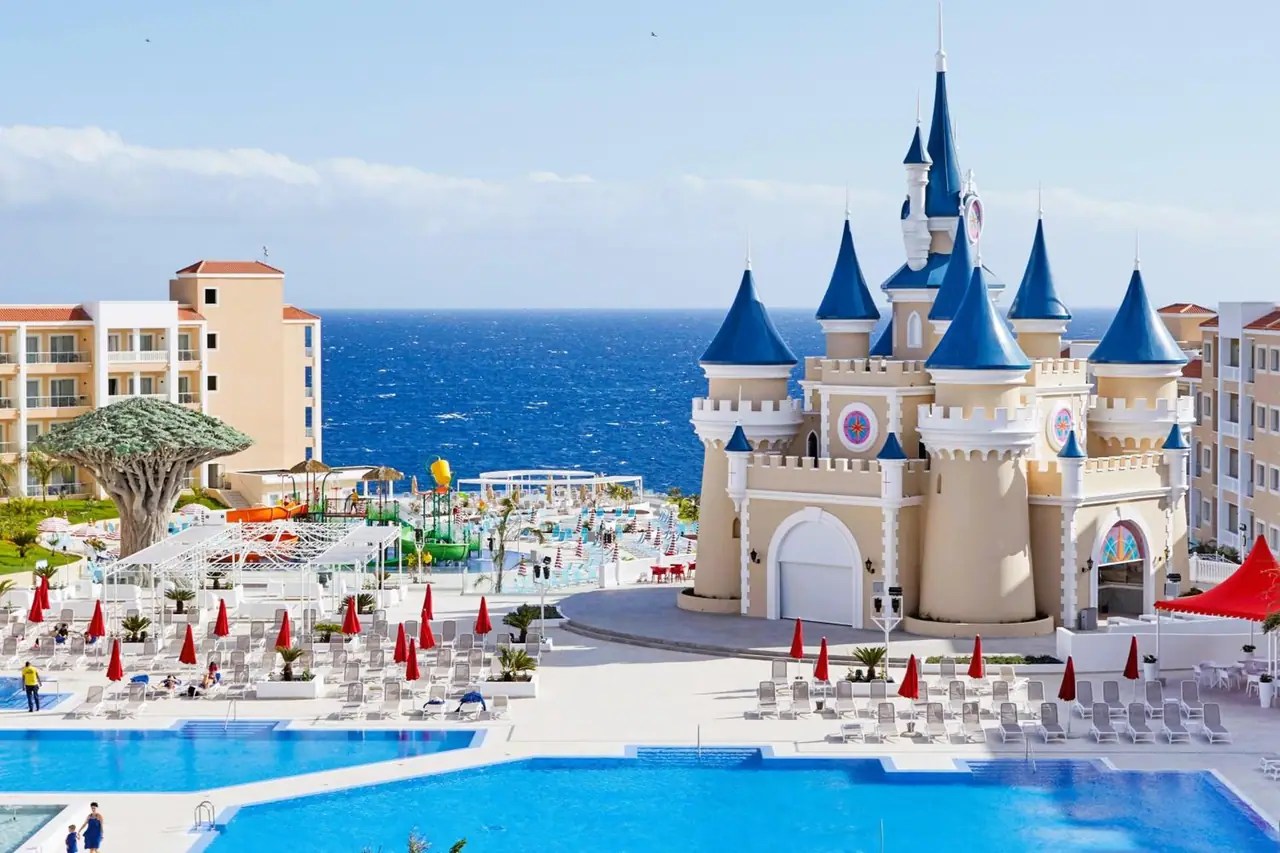
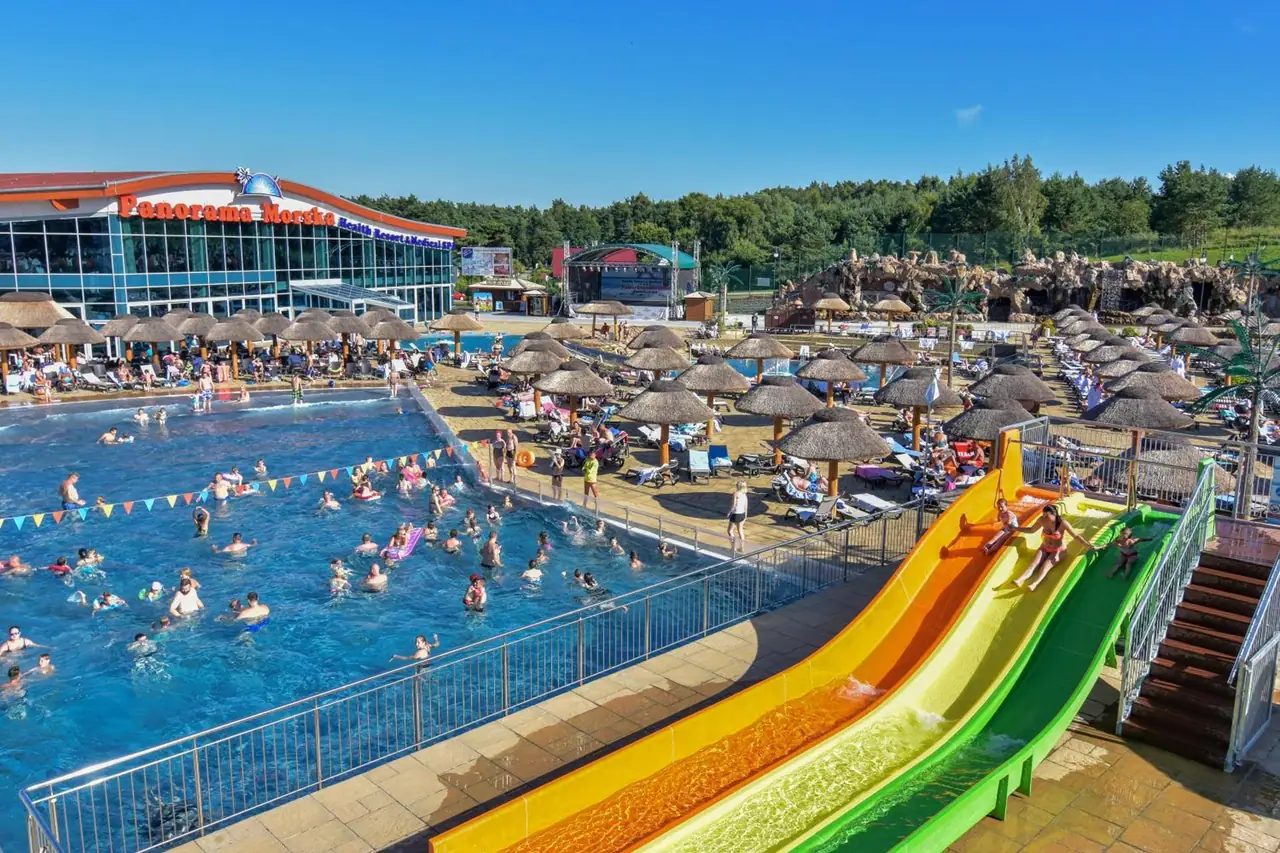
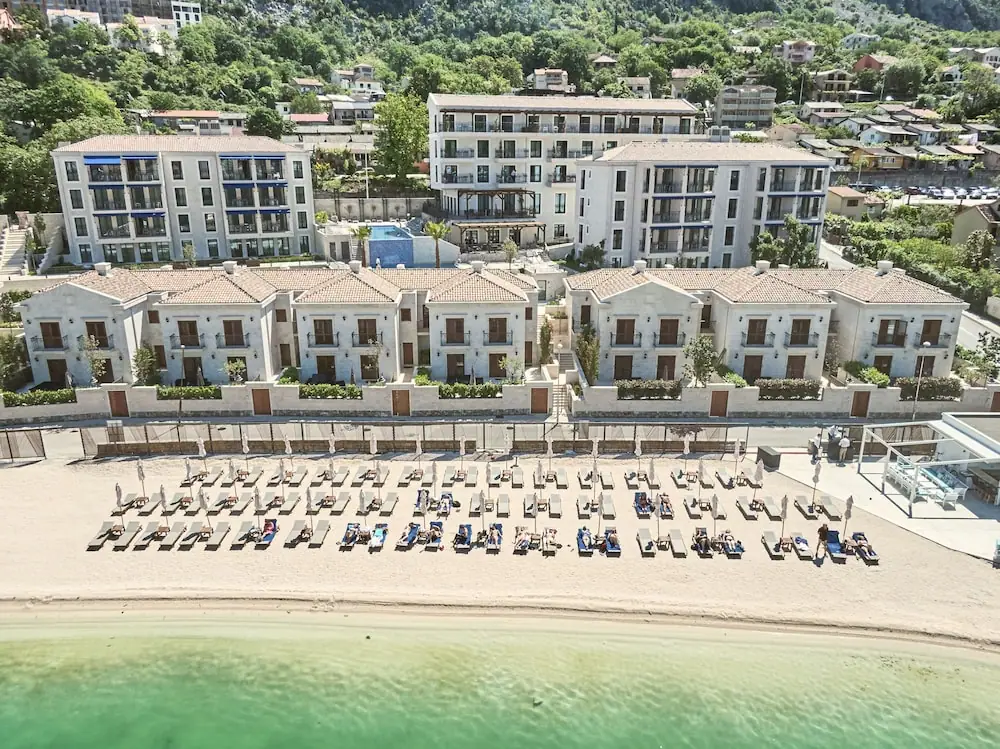
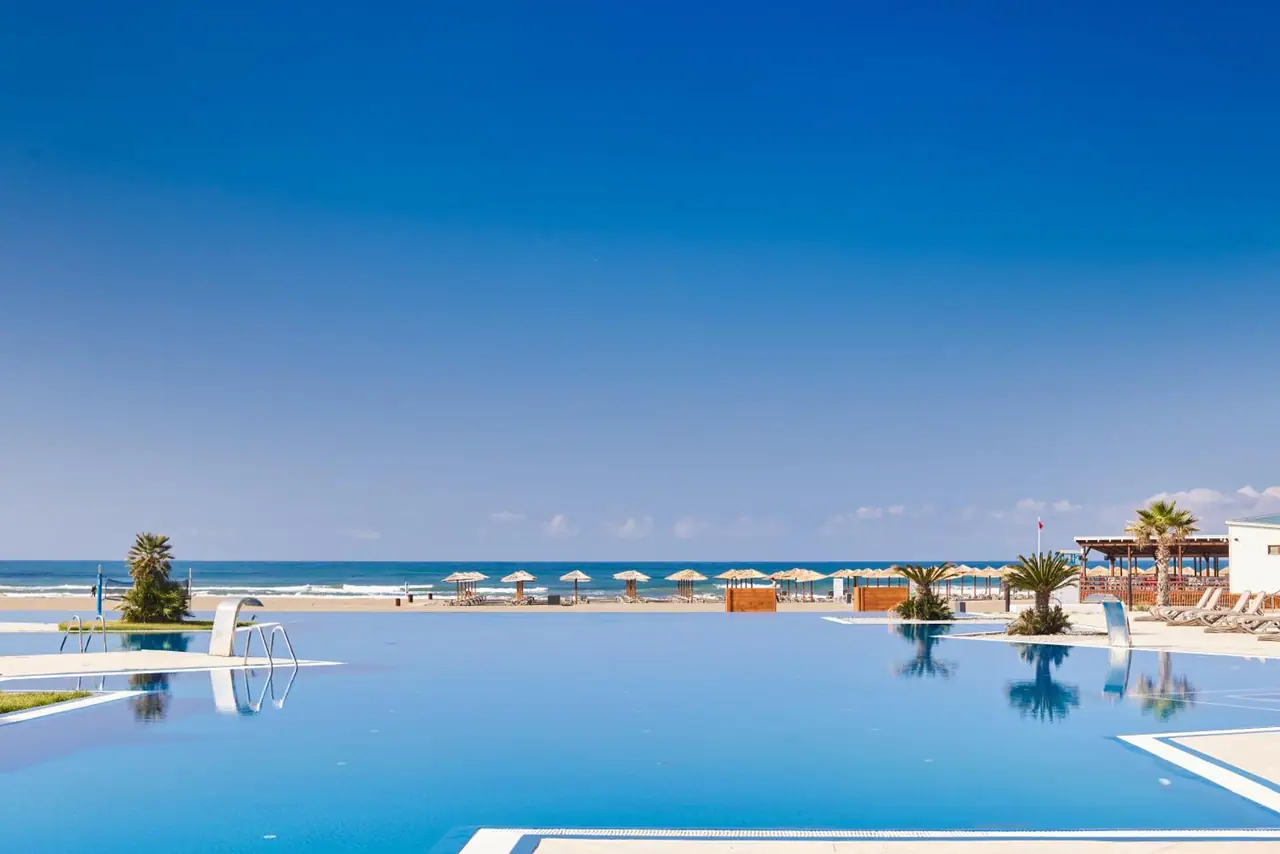
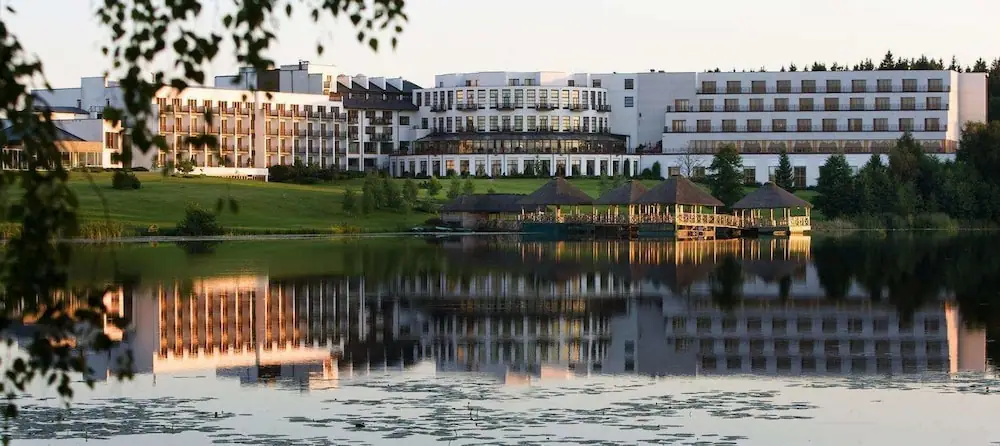
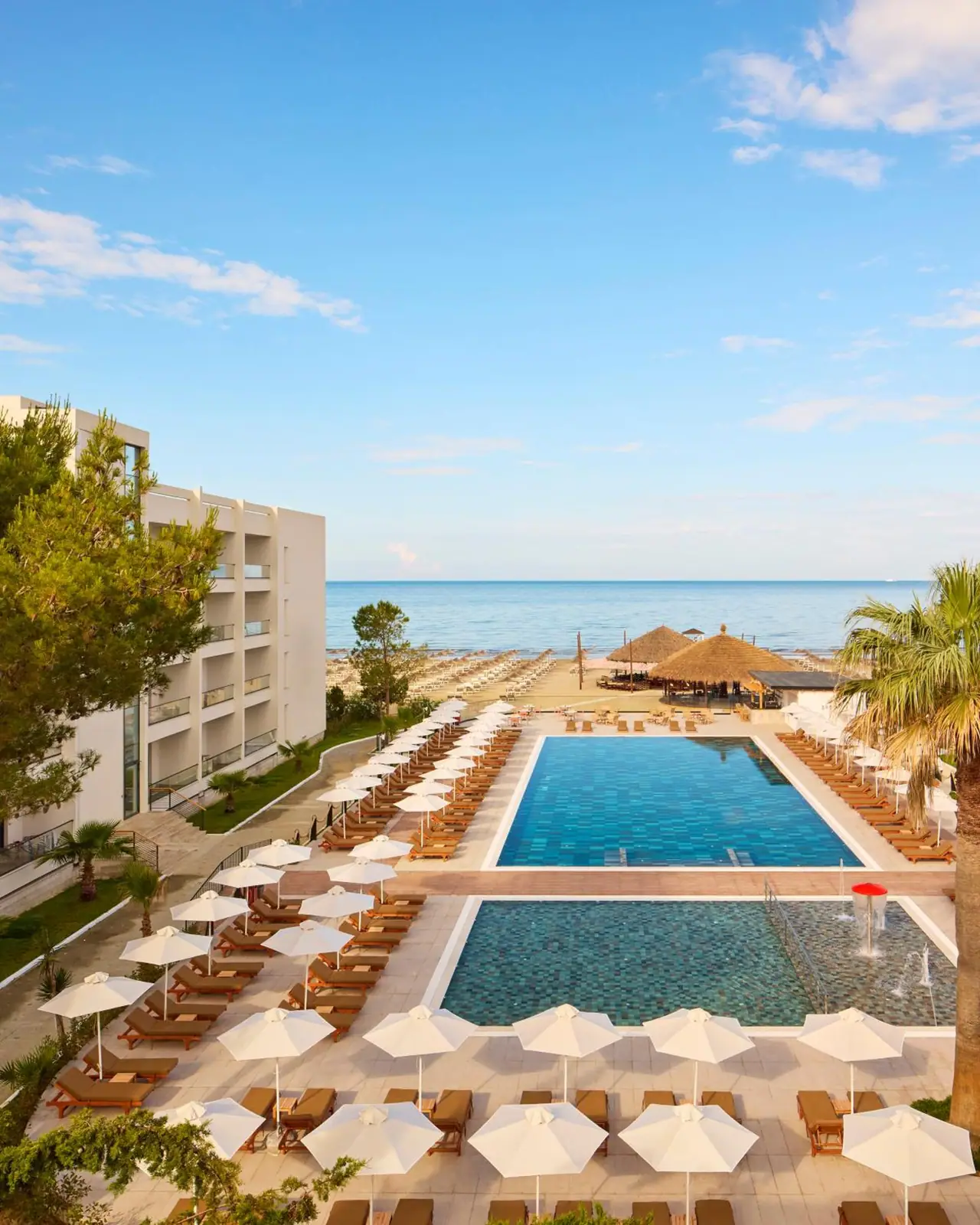
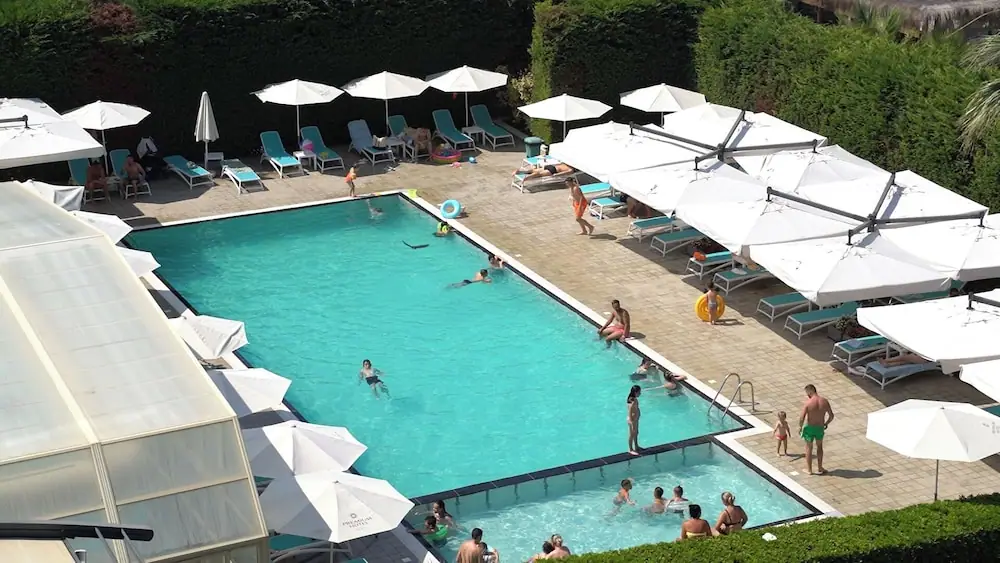
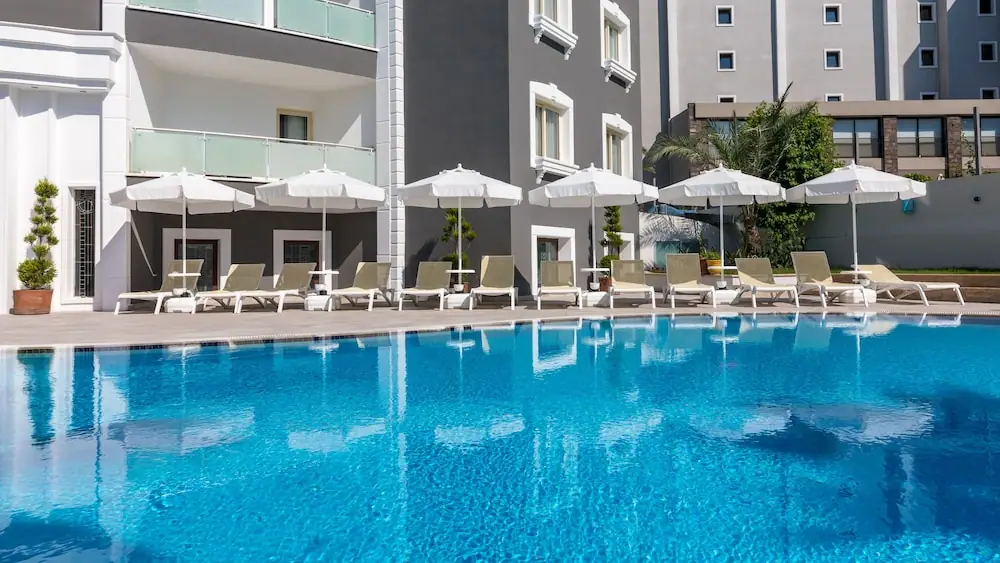
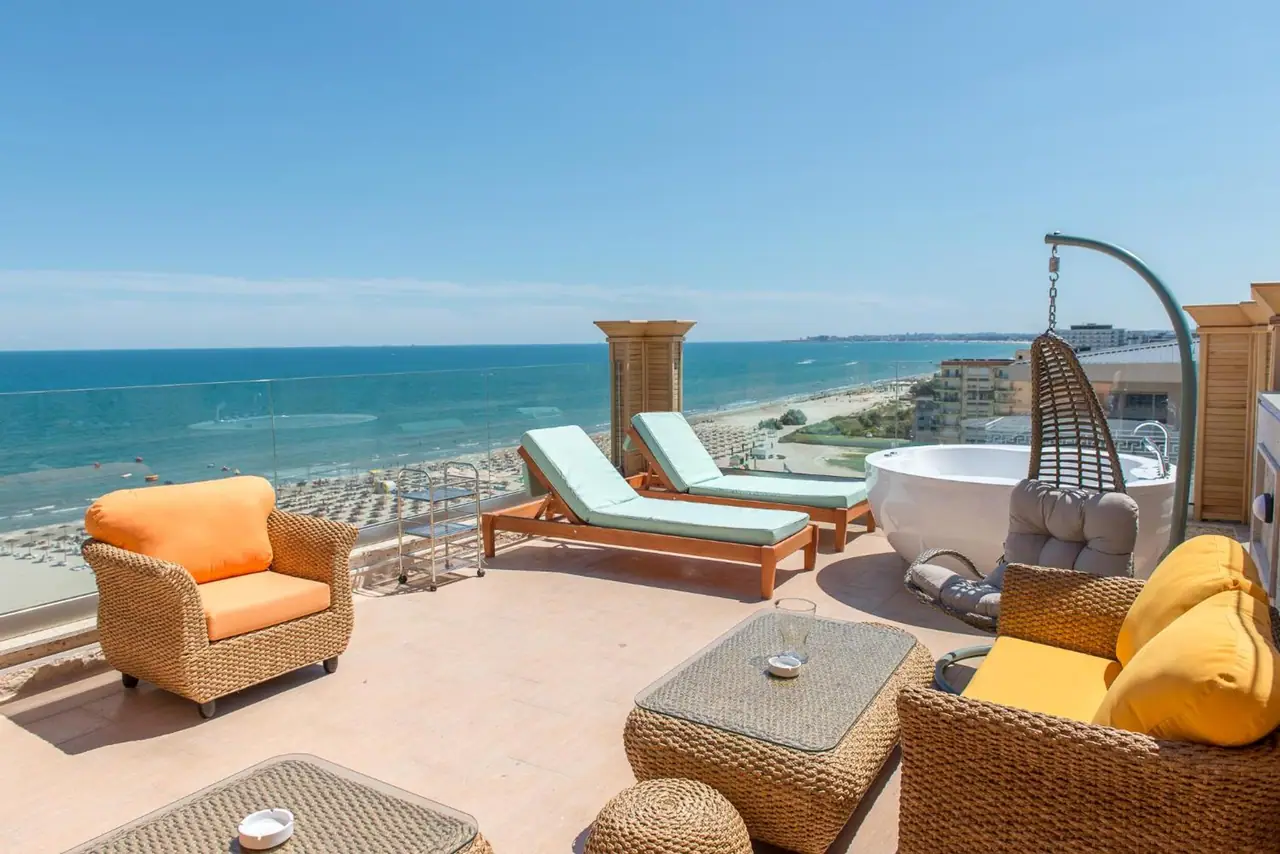
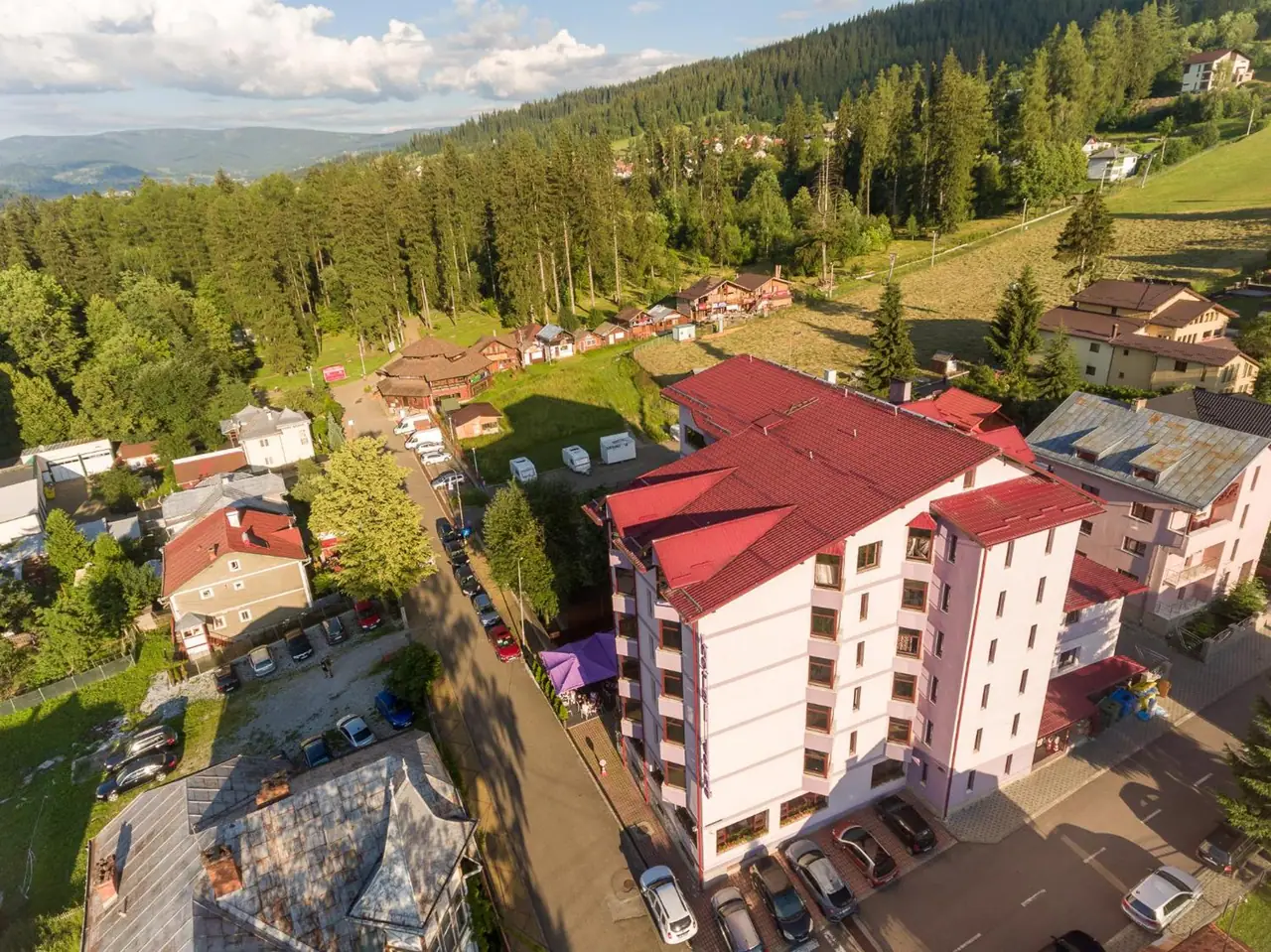
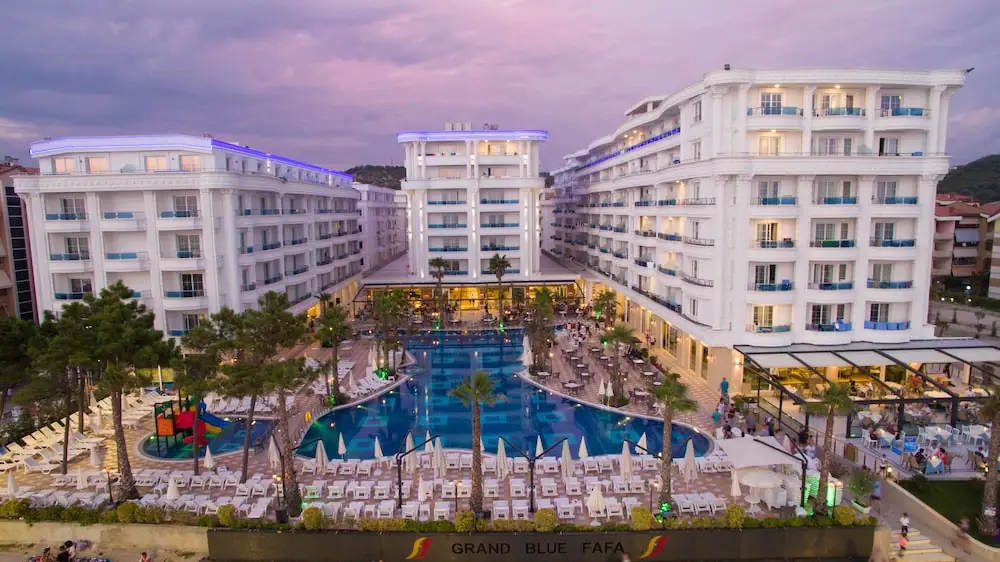
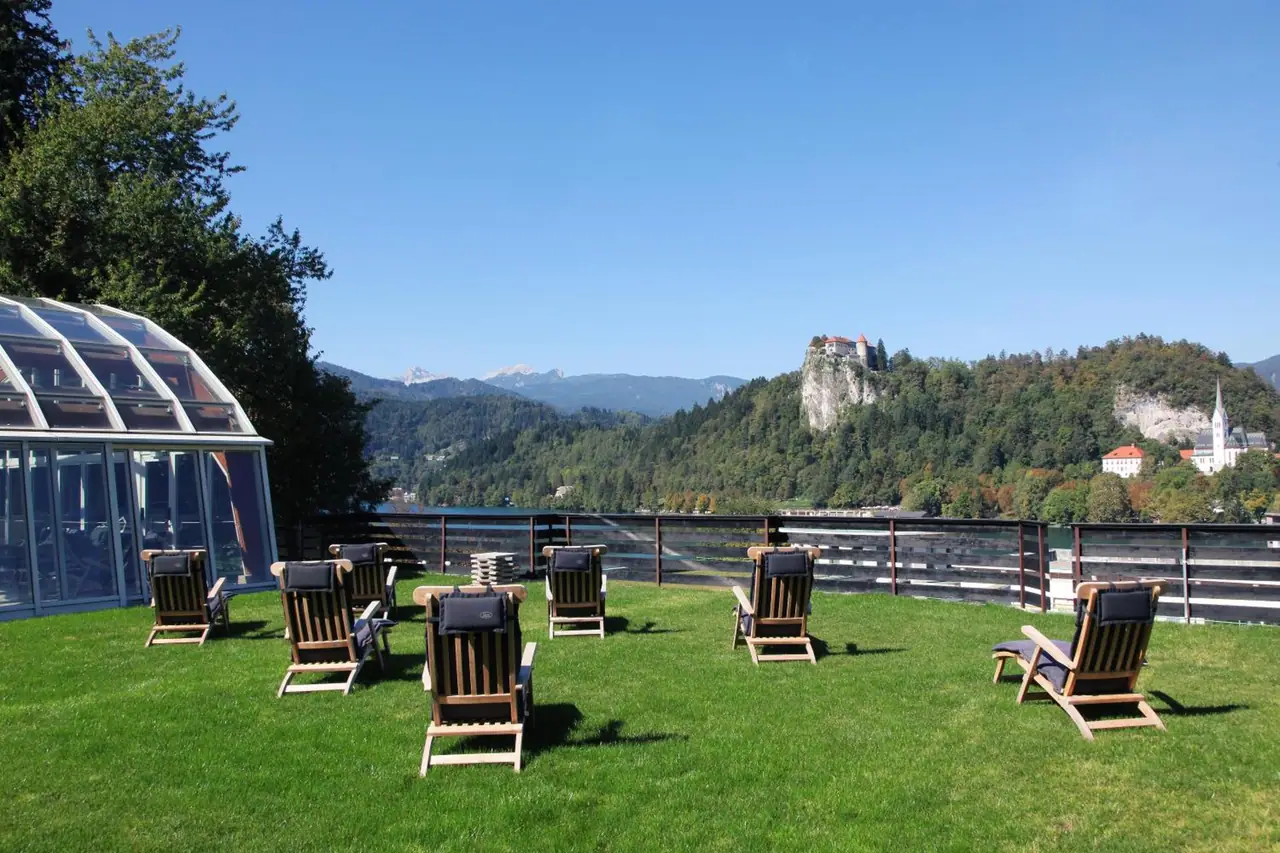
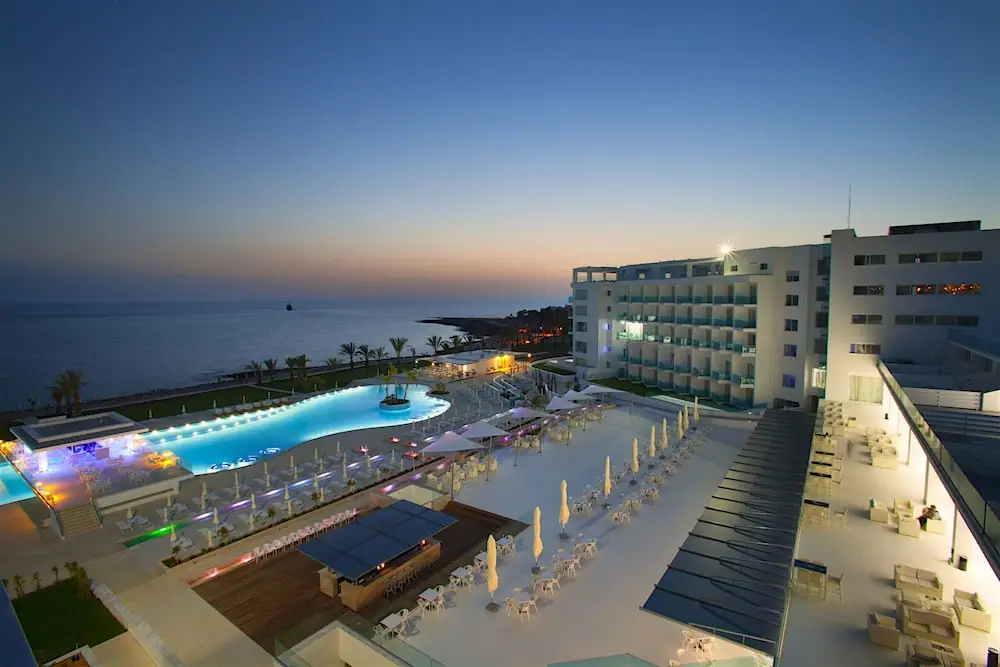
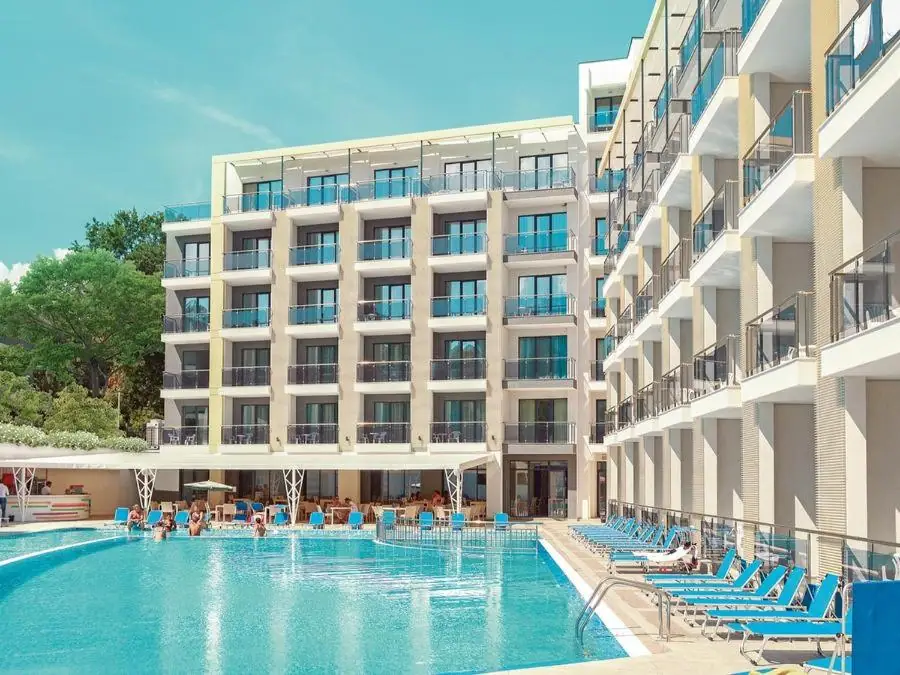
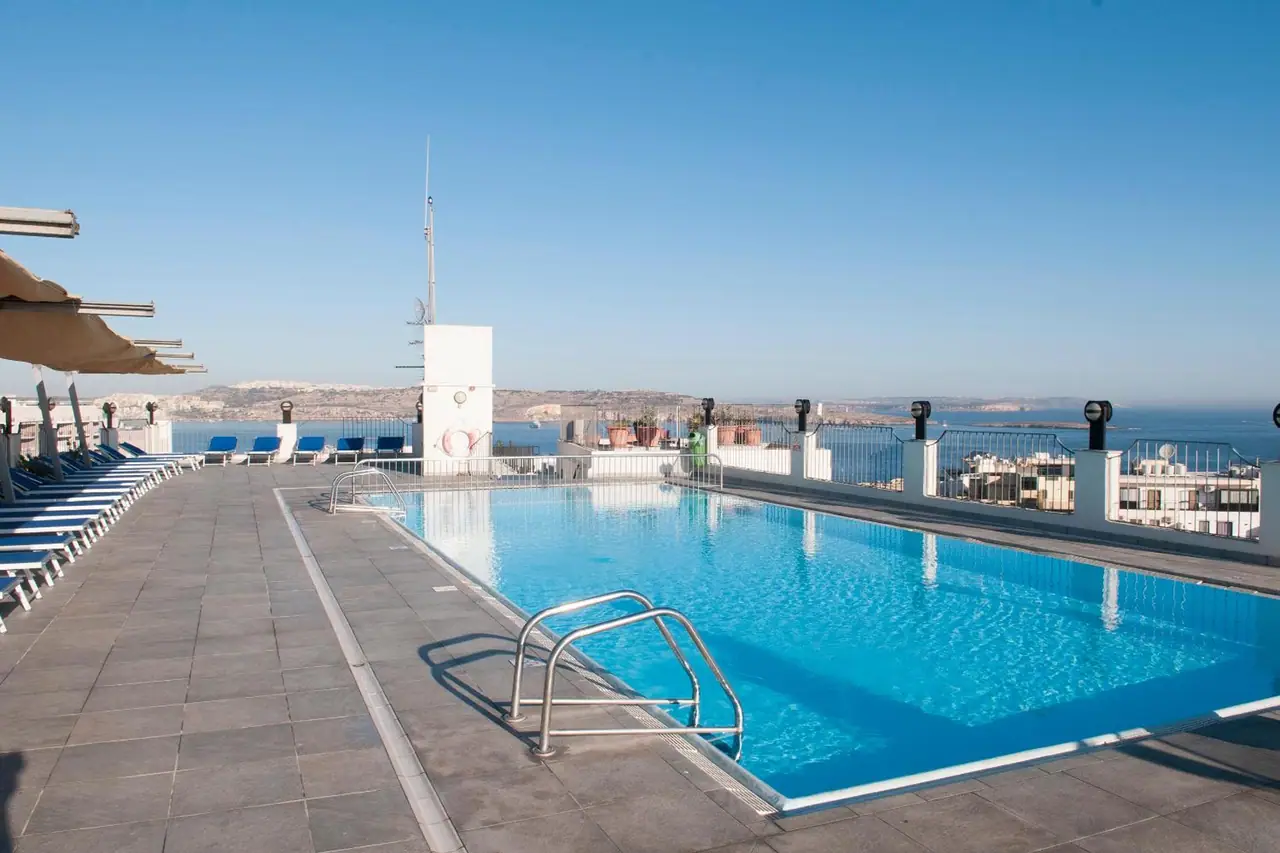
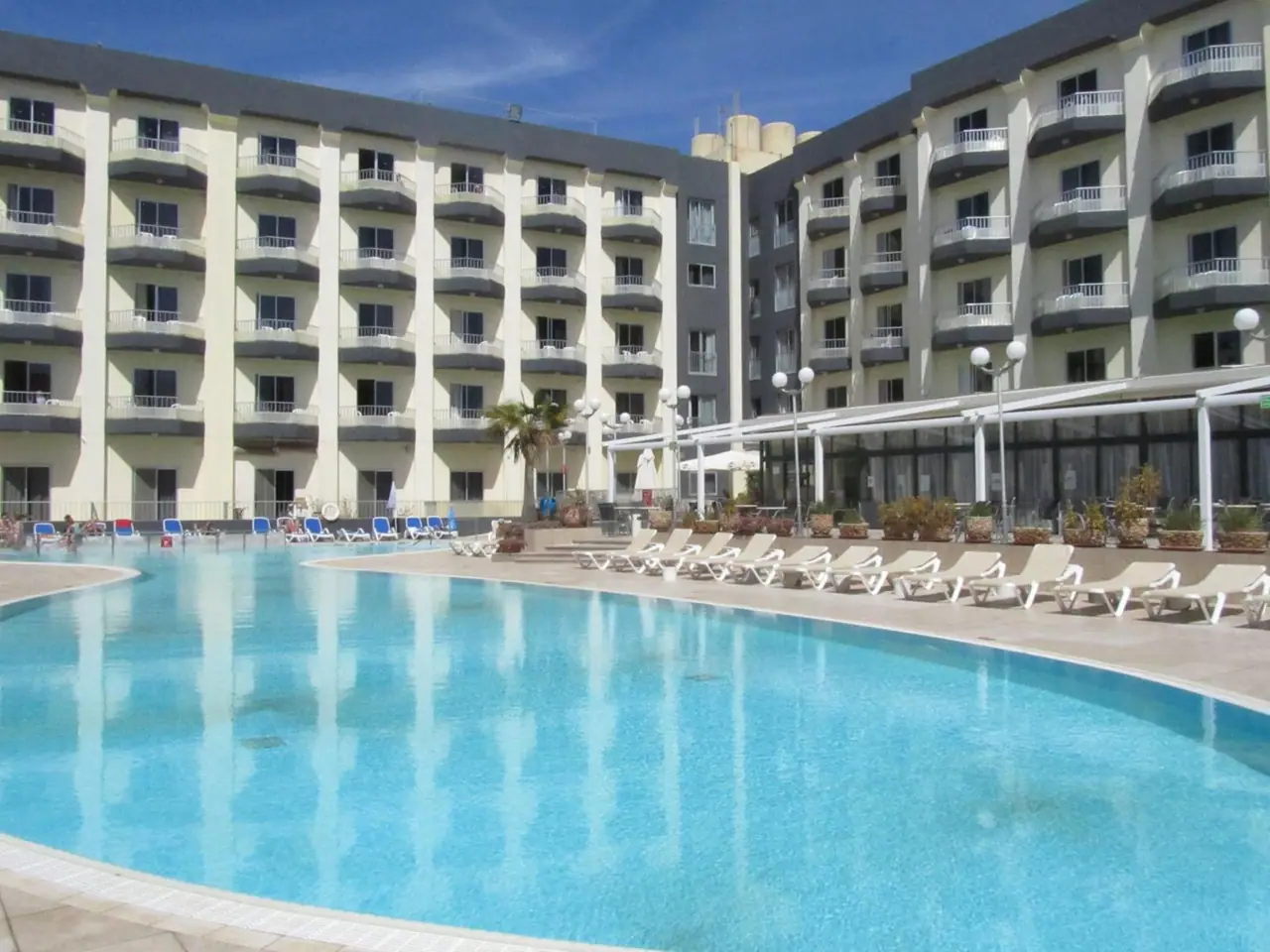
Santana Hotel

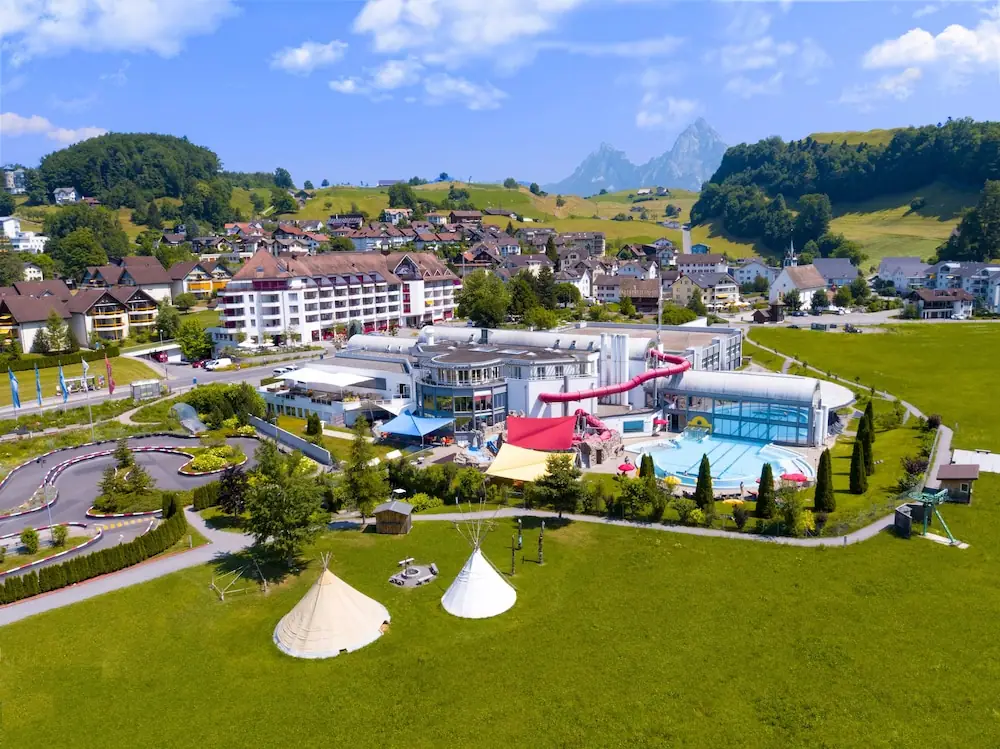
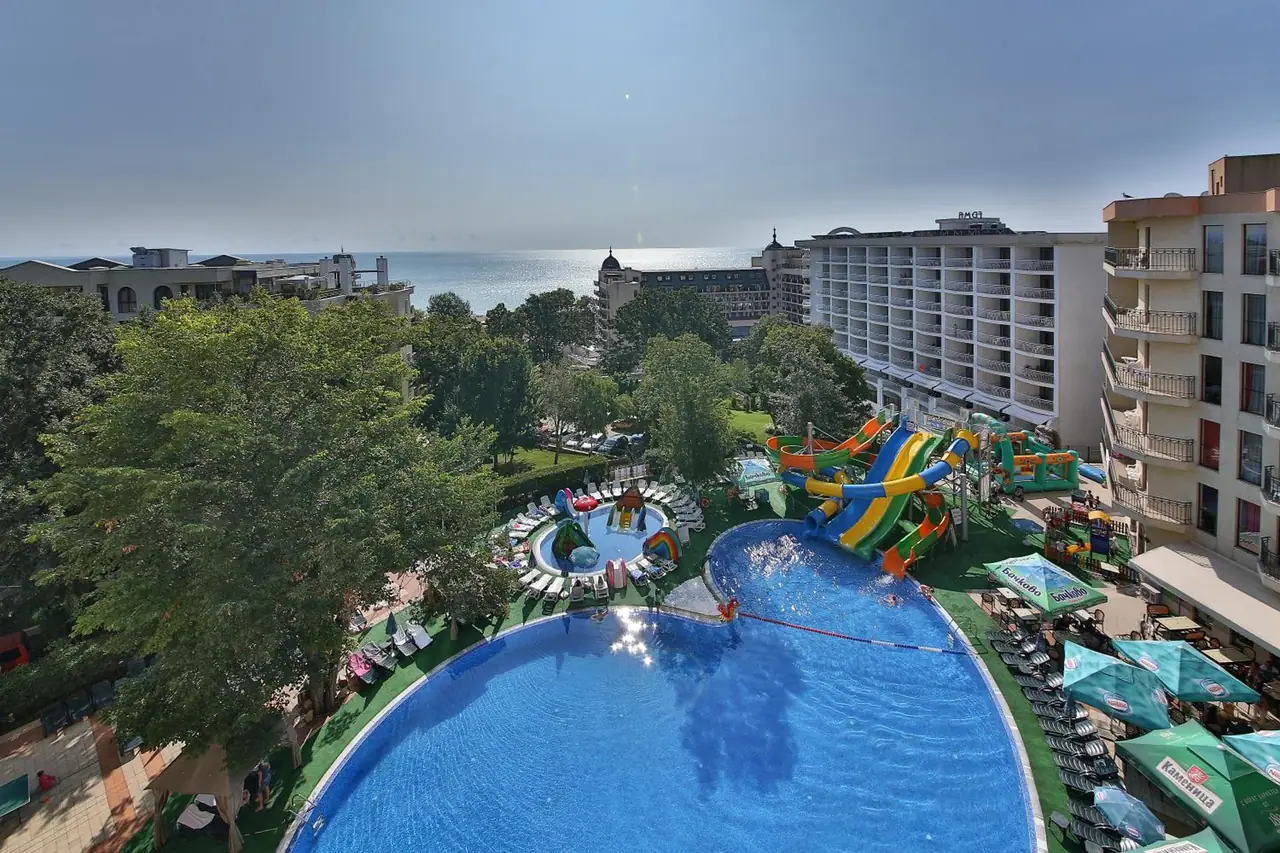
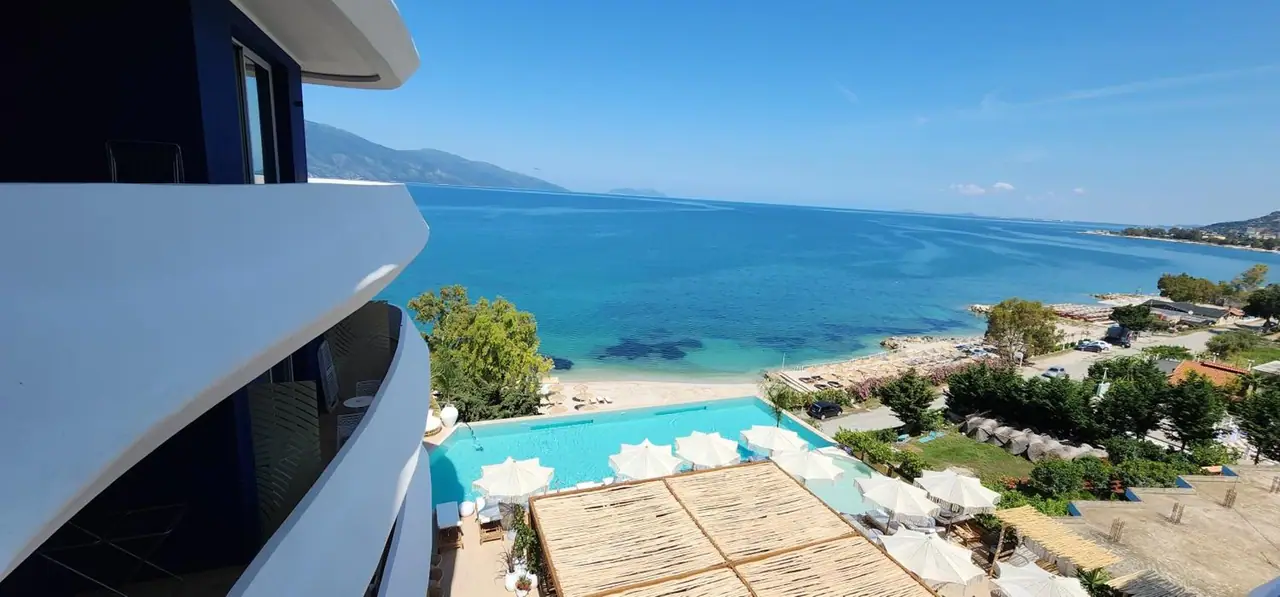
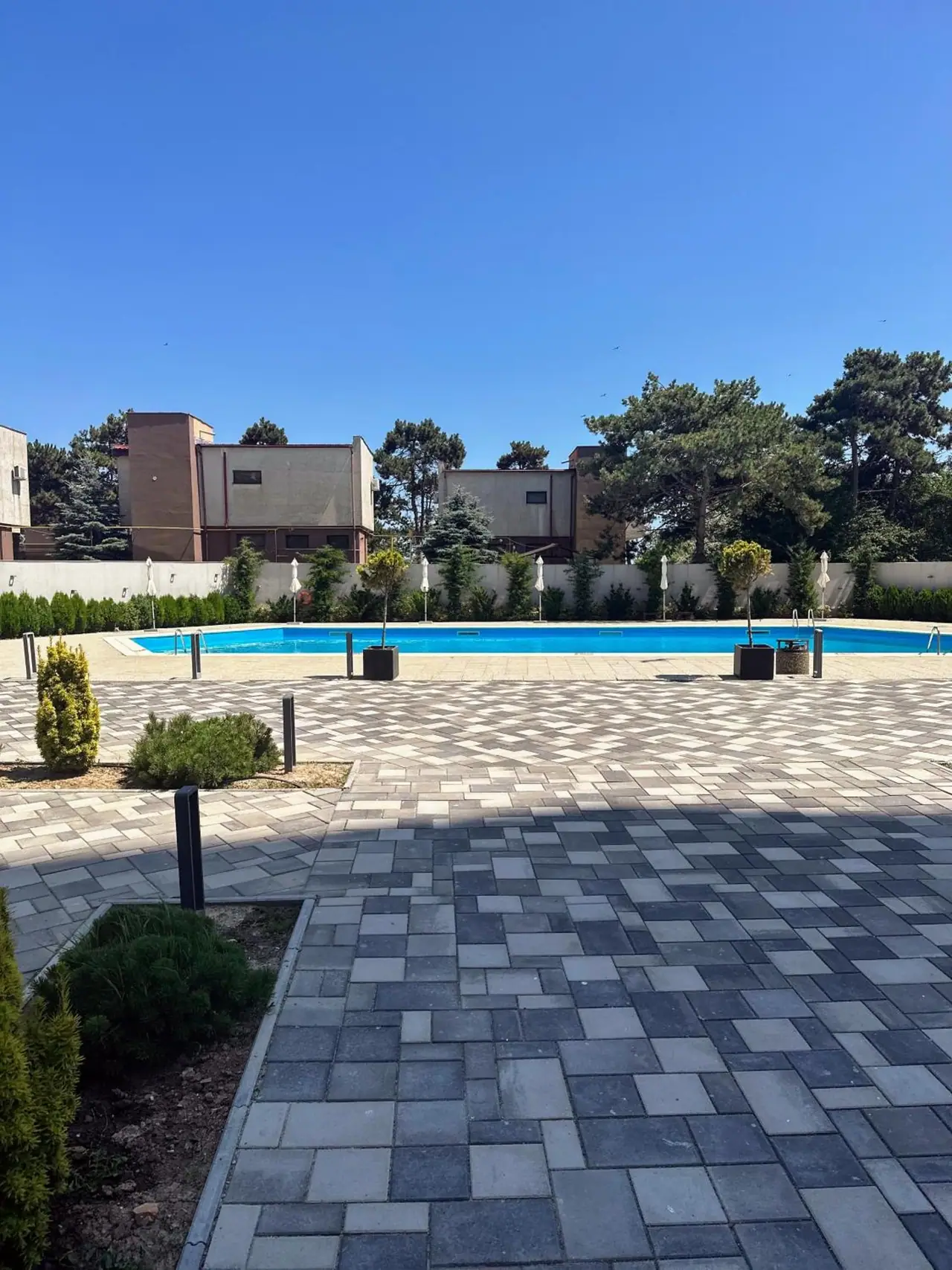
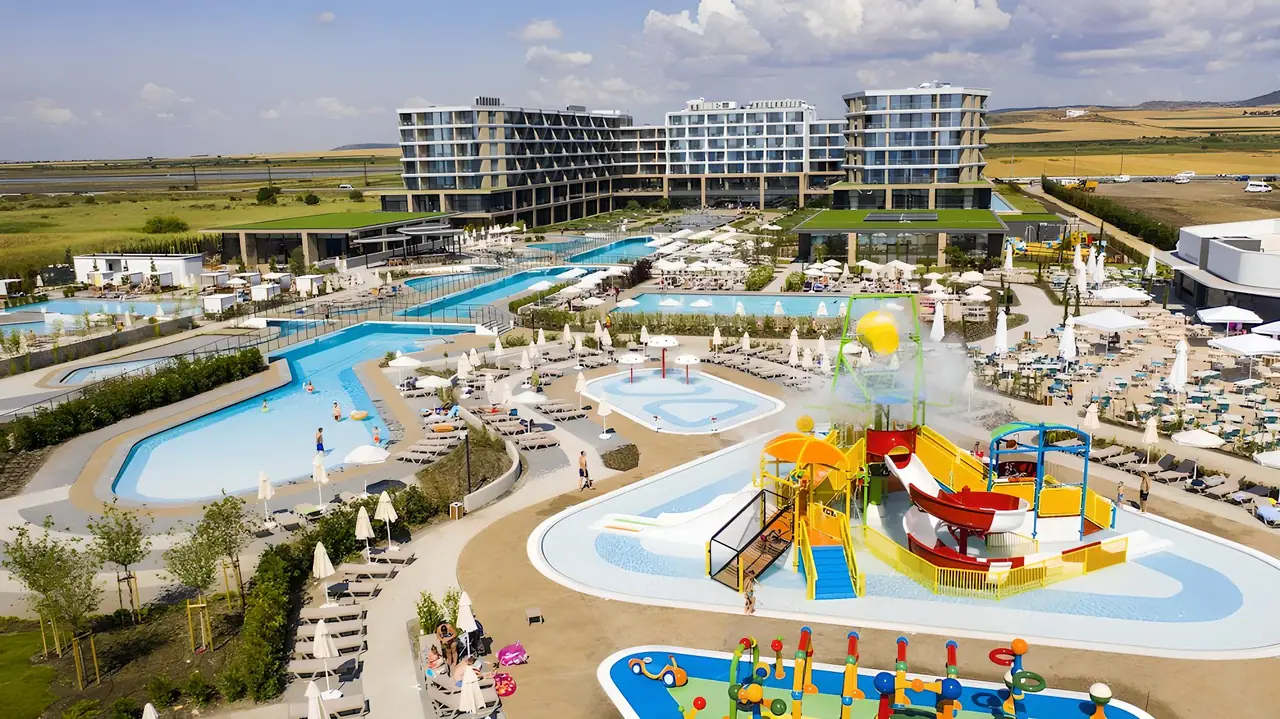
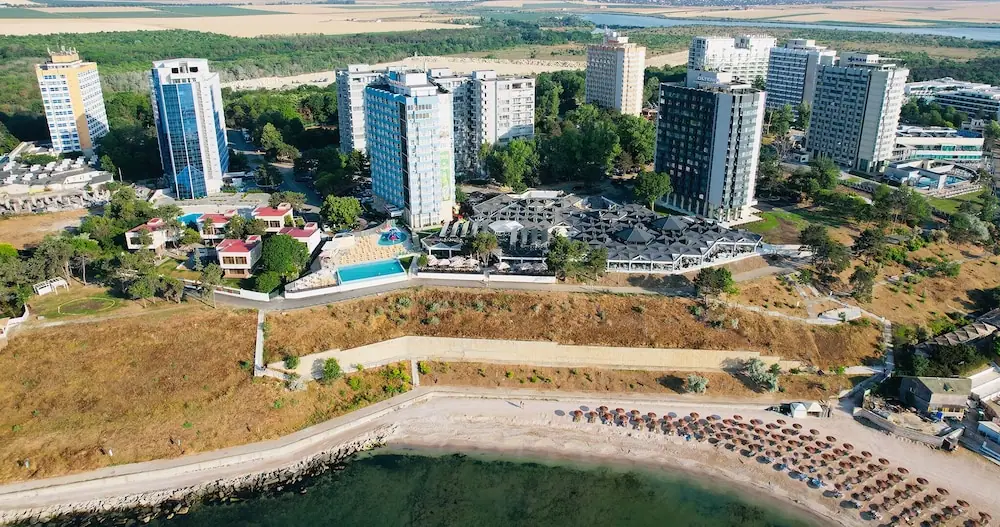
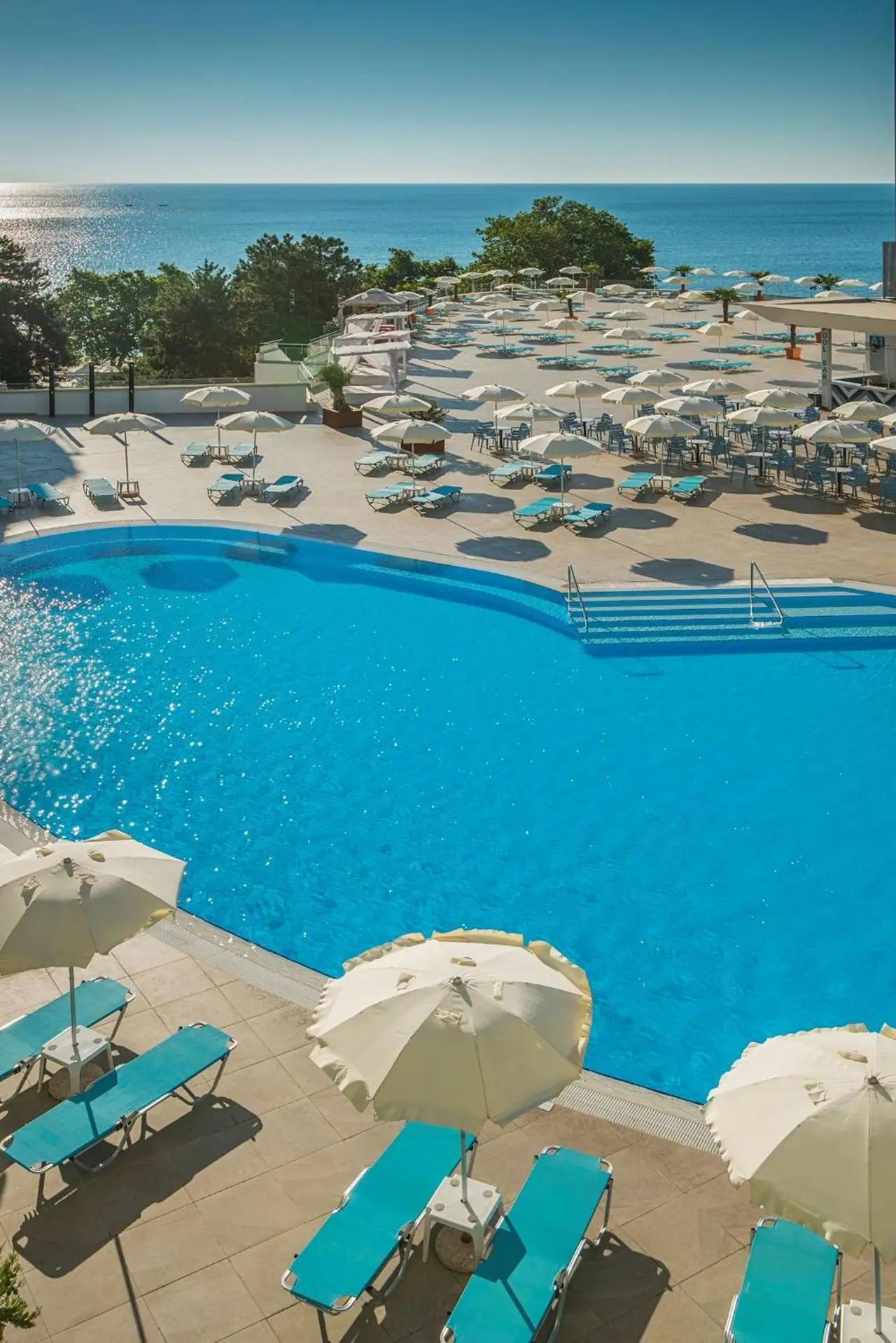
Hotel Majestic Olimp
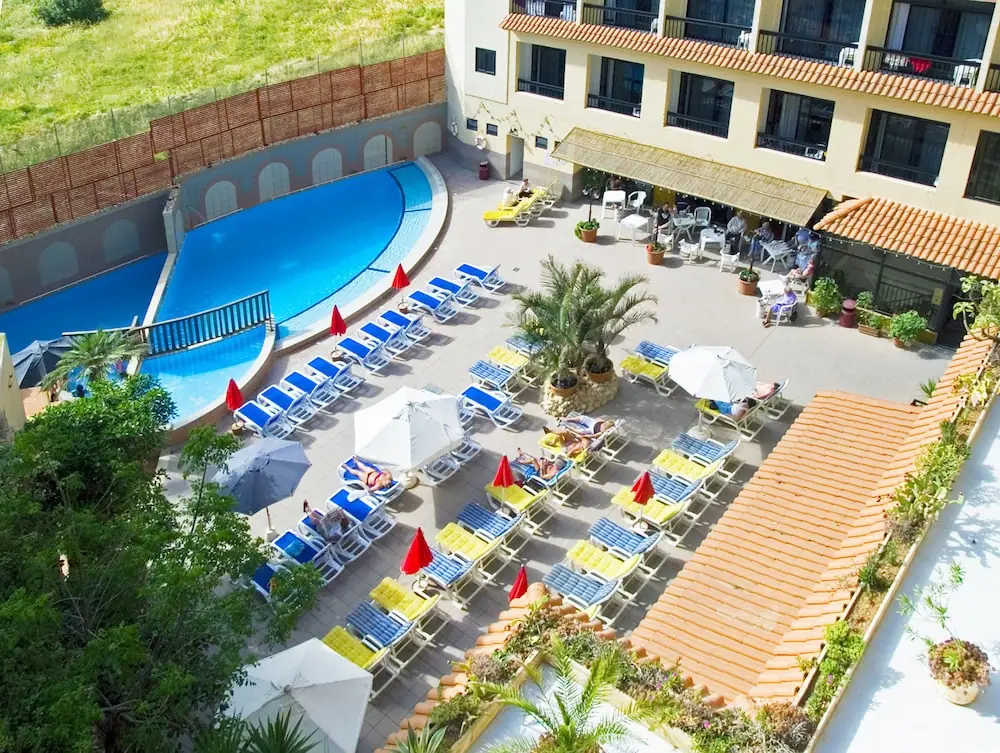
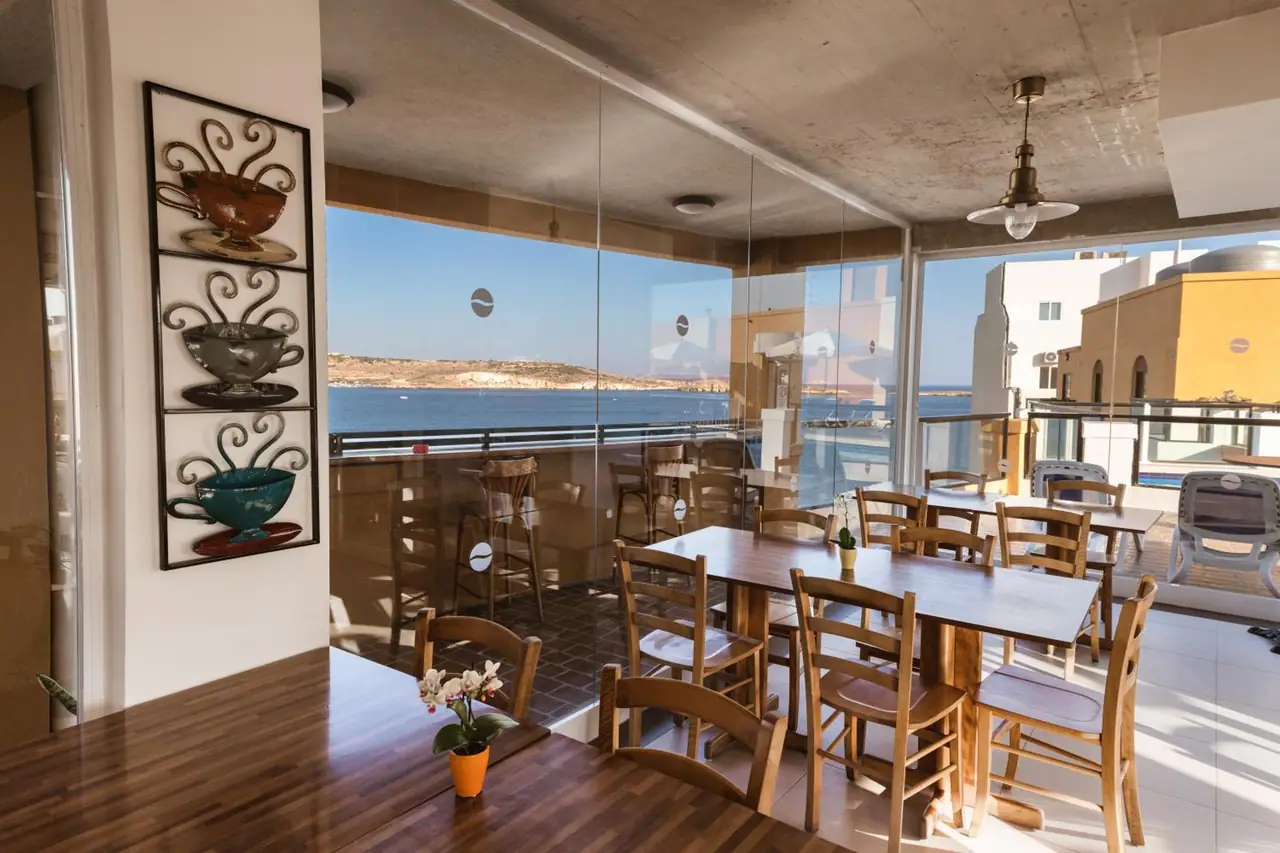
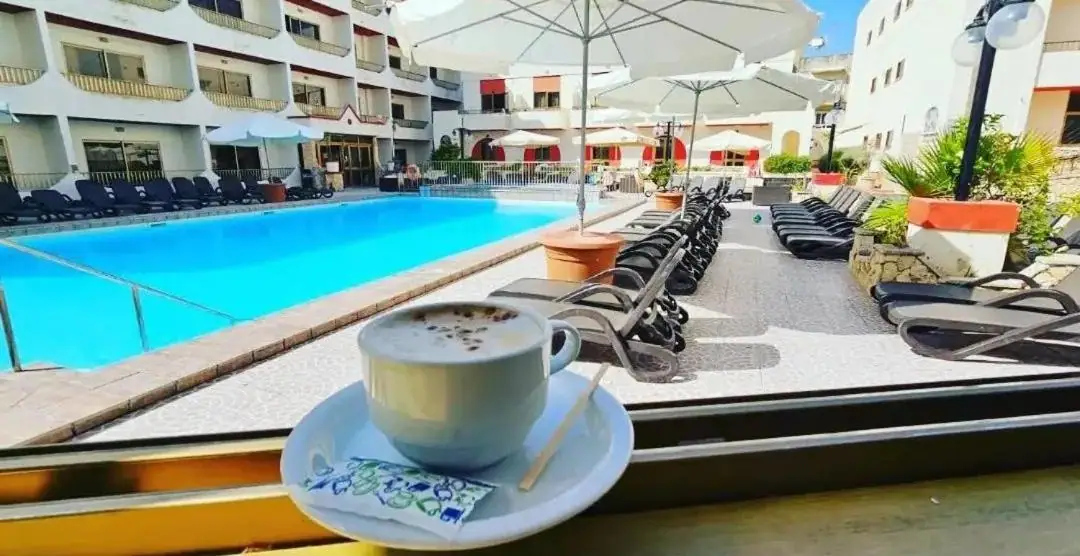
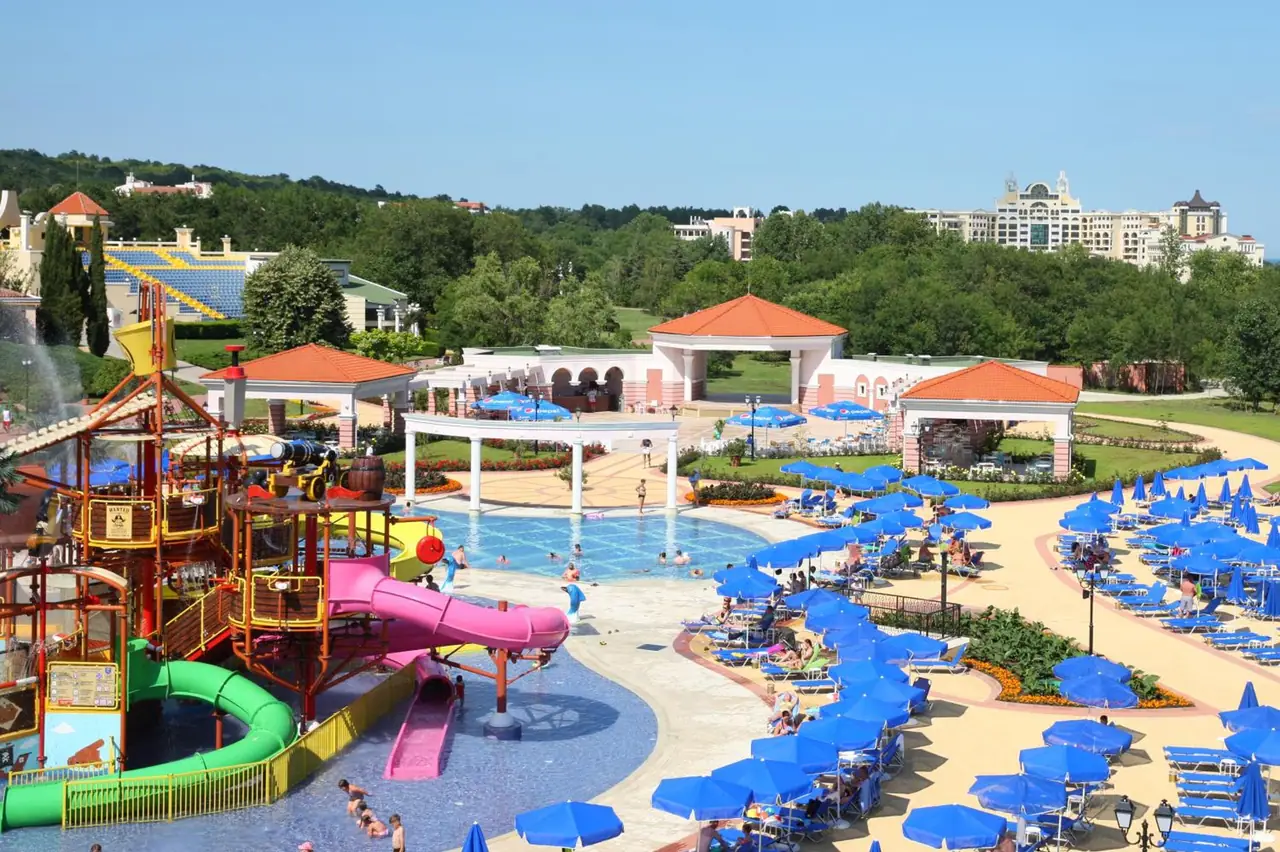
A good swimming pool can shape the whole rhythm of an all-inclusive holiday. It gives you somewhere easy to cool off, a place for children to play, and a relaxed setting for long days when you do not want to leave the hotel. In Europe, pool facilities vary widely, from simple outdoor pools to large pool complexes with slides, quieter adult areas and indoor options.
When you compare all-inclusive hotels with great swimming pools, it helps to look beyond the photos. Pool size, water temperature, opening months, sunbed space and rules on towels can all affect your stay. The best choice depends on whether you are travelling as a family, as a couple, with friends, or outside the hottest weeks of summer.
This guide explains the main pool types you will find across Europe, the destinations that suit pool-focused holidays, and the practical questions to ask before booking. Use it to match the hotel facilities to the way you actually want to spend your days.
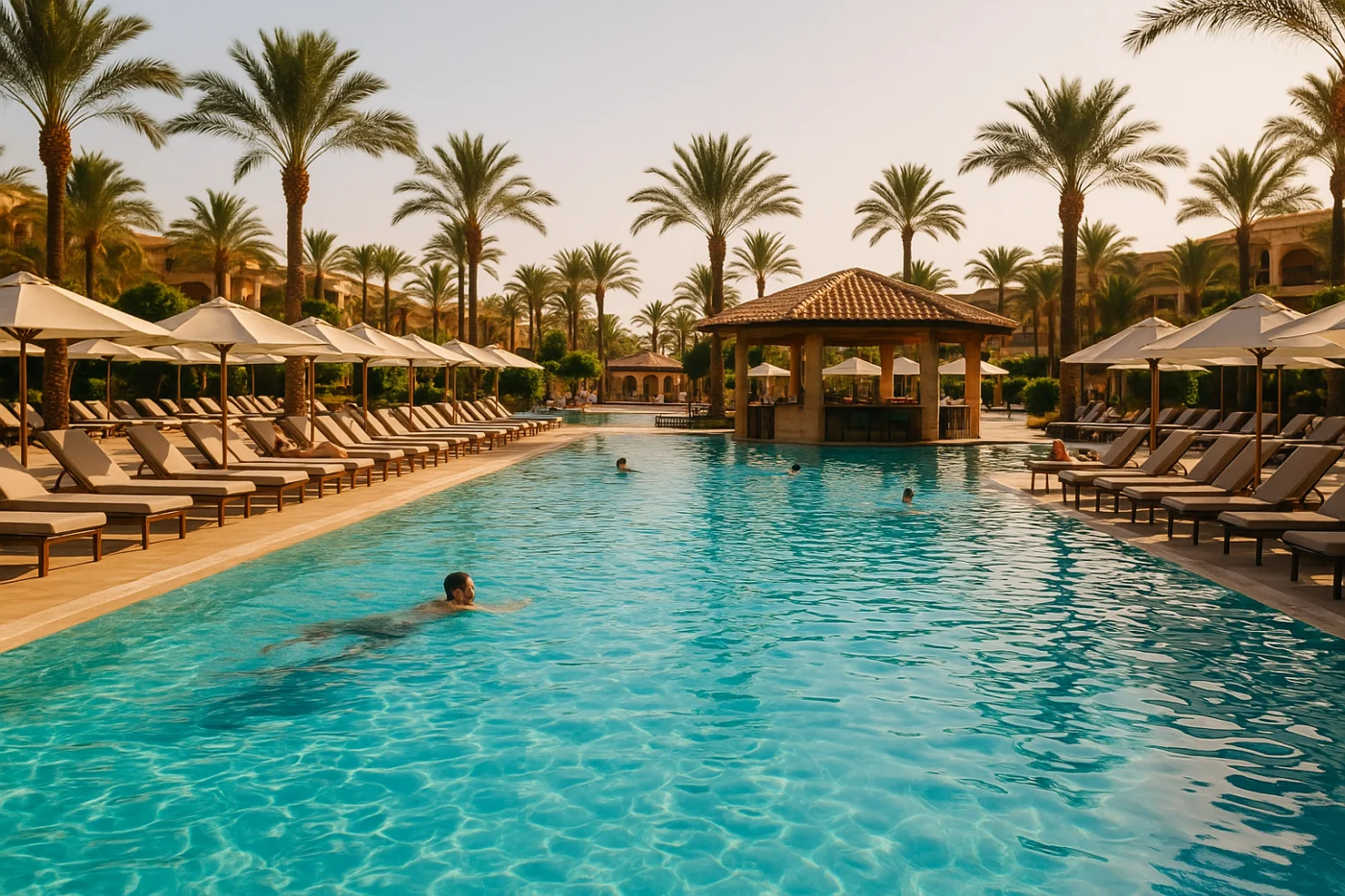
How to choose an all-inclusive hotel with great pools
Start by thinking about how often you will use the pool. Some travellers want a quick swim before breakfast and a dip after the beach. Others plan to spend most of the holiday beside the water, with lunch, drinks and entertainment close by. If the pool is central to your plans, it is worth reading the facility descriptions carefully.
Look for clear information on the number of pools, whether they are freshwater or seawater, and whether any are heated. Photos can show the general setting, but they do not always show depth, shade, steps, handrails or how busy the area feels at peak times. Reviews can also help, especially when they mention sunbed availability and queues for pool towels.
All-inclusive hotels often have one main pool and several smaller areas, but the layout differs by resort. A larger hotel may spread pools across different zones, while a compact hotel may keep everything close to the rooms and restaurants. Both can work well if the arrangement suits your style of holiday.
Outdoor pools, lagoon pools and main pool areas
Outdoor pools are the classic choice for summer holidays in Europe. In resorts around the Mediterranean and Atlantic islands, they are usually the centre of daytime hotel life. You may find a main pool used for activities, a shallower pool for relaxed swimming, and smaller pools near room blocks or gardens.
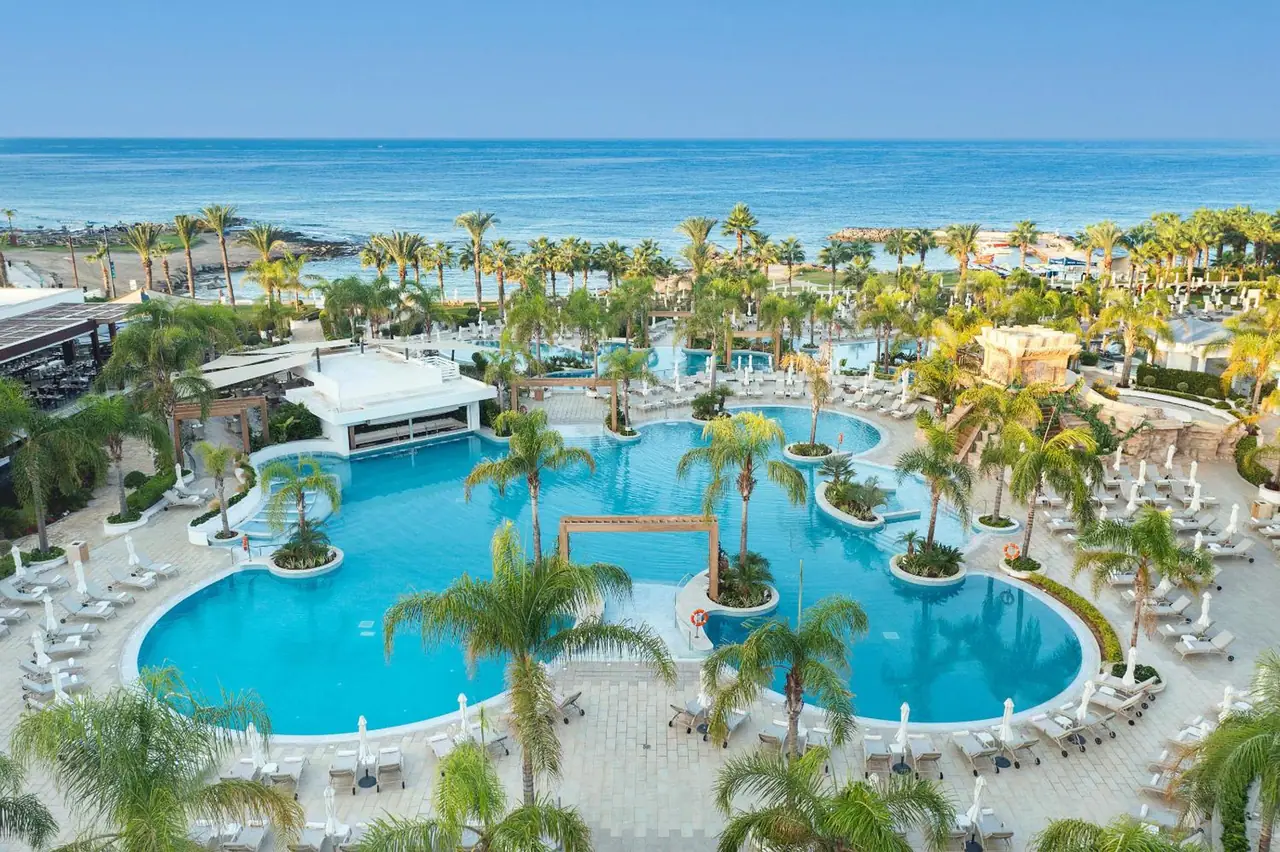
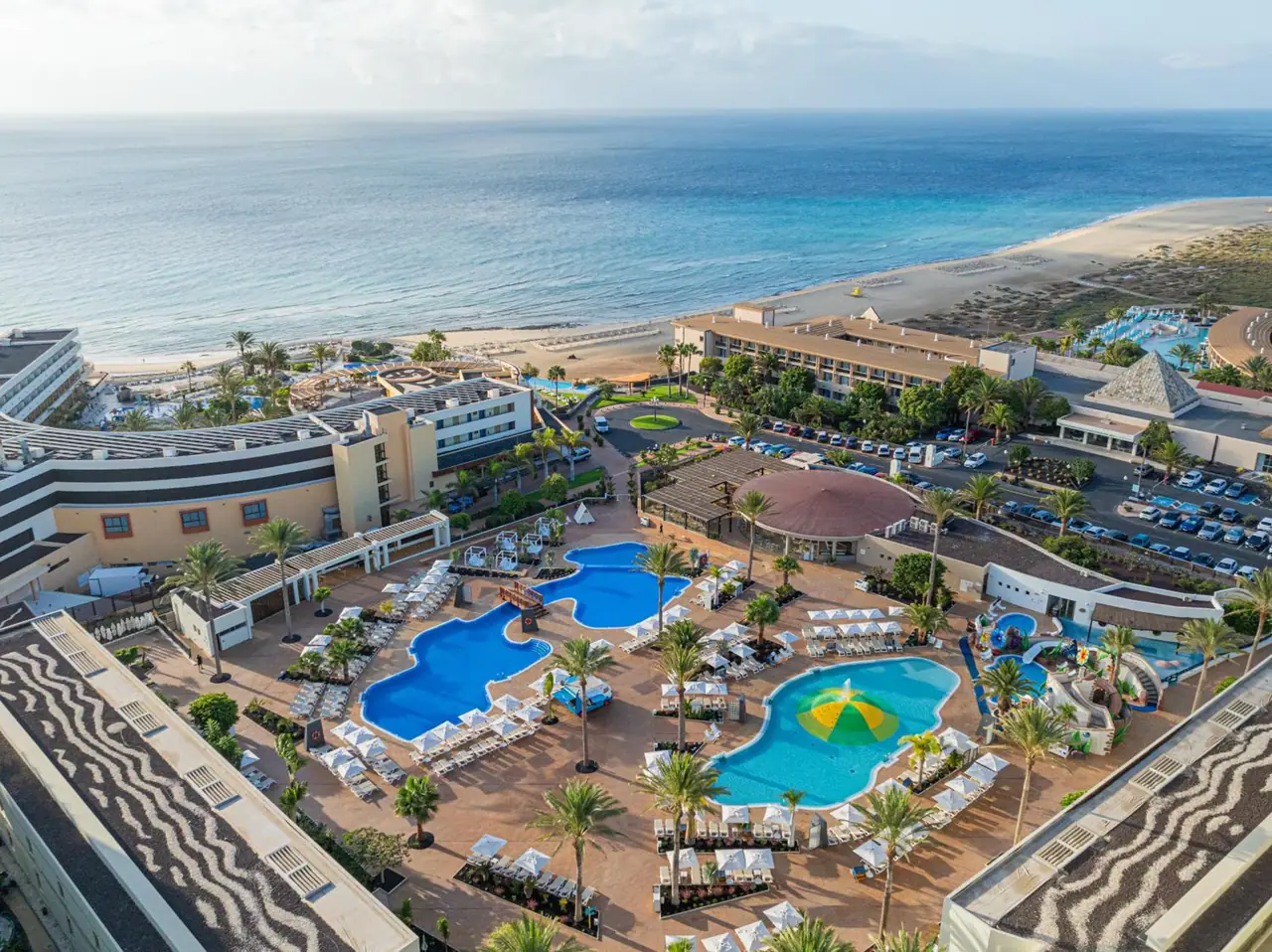
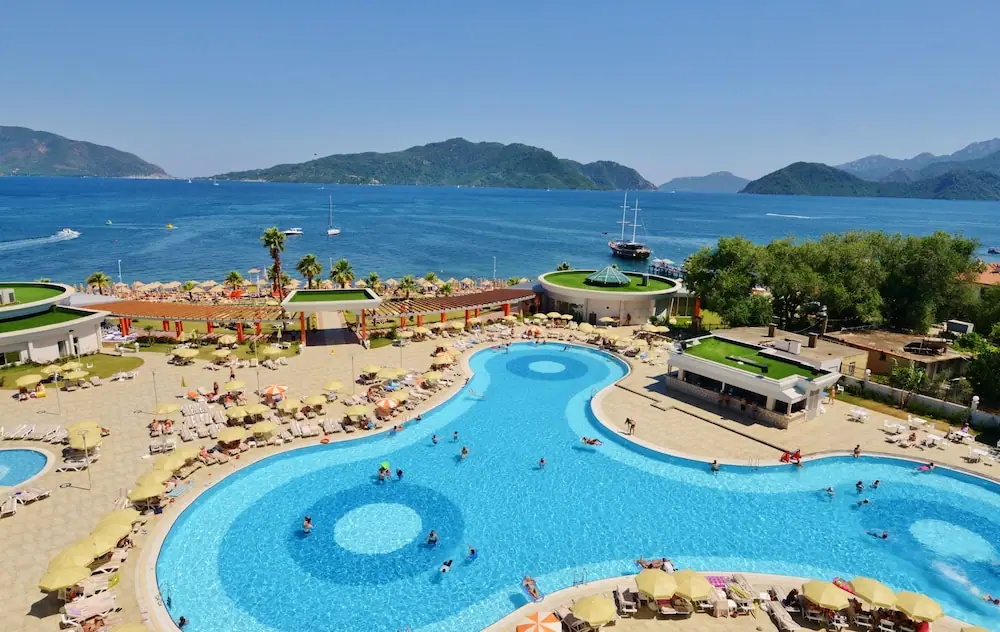
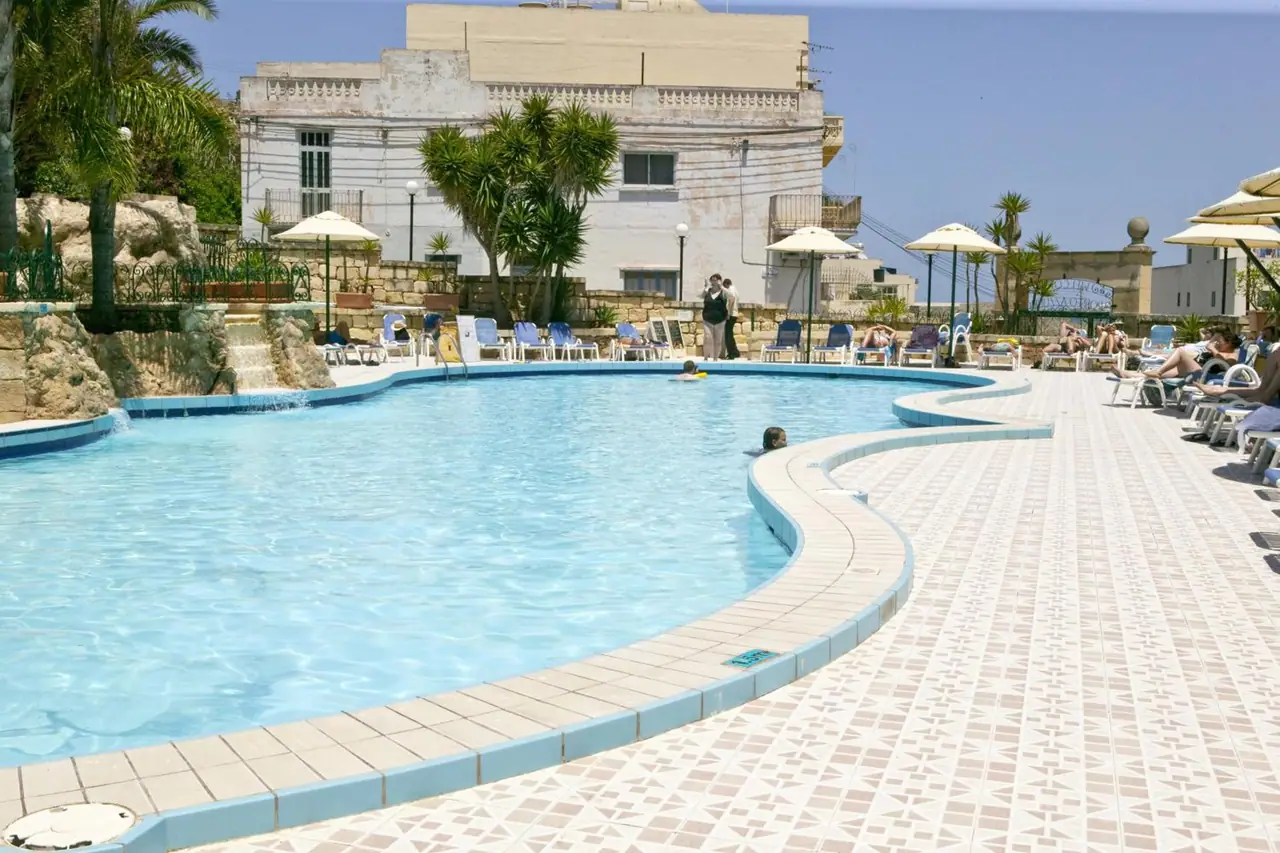
Lagoon-style pools can feel spacious because they often include curves, islands, bridges and gradual edges. They are good if you like a hotel with a resort feel, although the shape can make serious lap swimming harder. Rectangular pools are usually better if you want to swim lengths, particularly early in the morning before families and activities arrive.
Check whether the pool area has enough shade as well as sun. Parasols, pergolas and trees matter in July and August, especially in Turkey, Cyprus, Greece and southern Spain. If you prefer a quieter swim, see whether the hotel lists opening times and whether inflatable toys, music or aqua classes are common around the main pool.
Heated and indoor pools outside high summer
A heated or indoor pool can make a big difference in spring, autumn and winter. Air temperatures may be pleasant in April, May, October or November, but unheated outdoor pools can still feel cold. This is especially relevant in coastal Spain, Portugal and the Canary Islands, where many visitors travel outside school summer holidays.
Heating policies vary. Some hotels heat outdoor pools only in selected months, some heat one pool rather than all of them, and some describe a pool as heated without giving a fixed temperature. Indoor pools may also have seasonal opening times, children’s hours or spa-related rules, so it is sensible to check the details before you book.
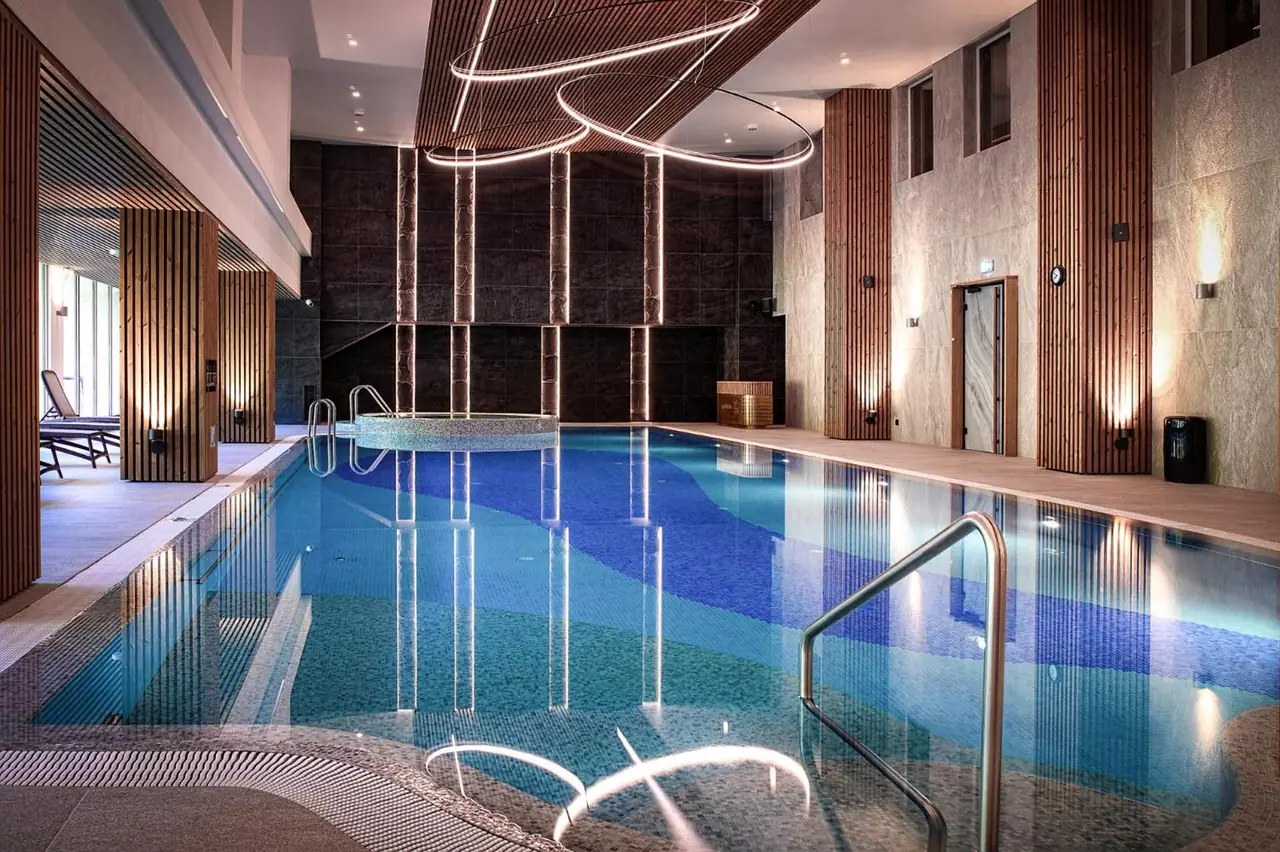
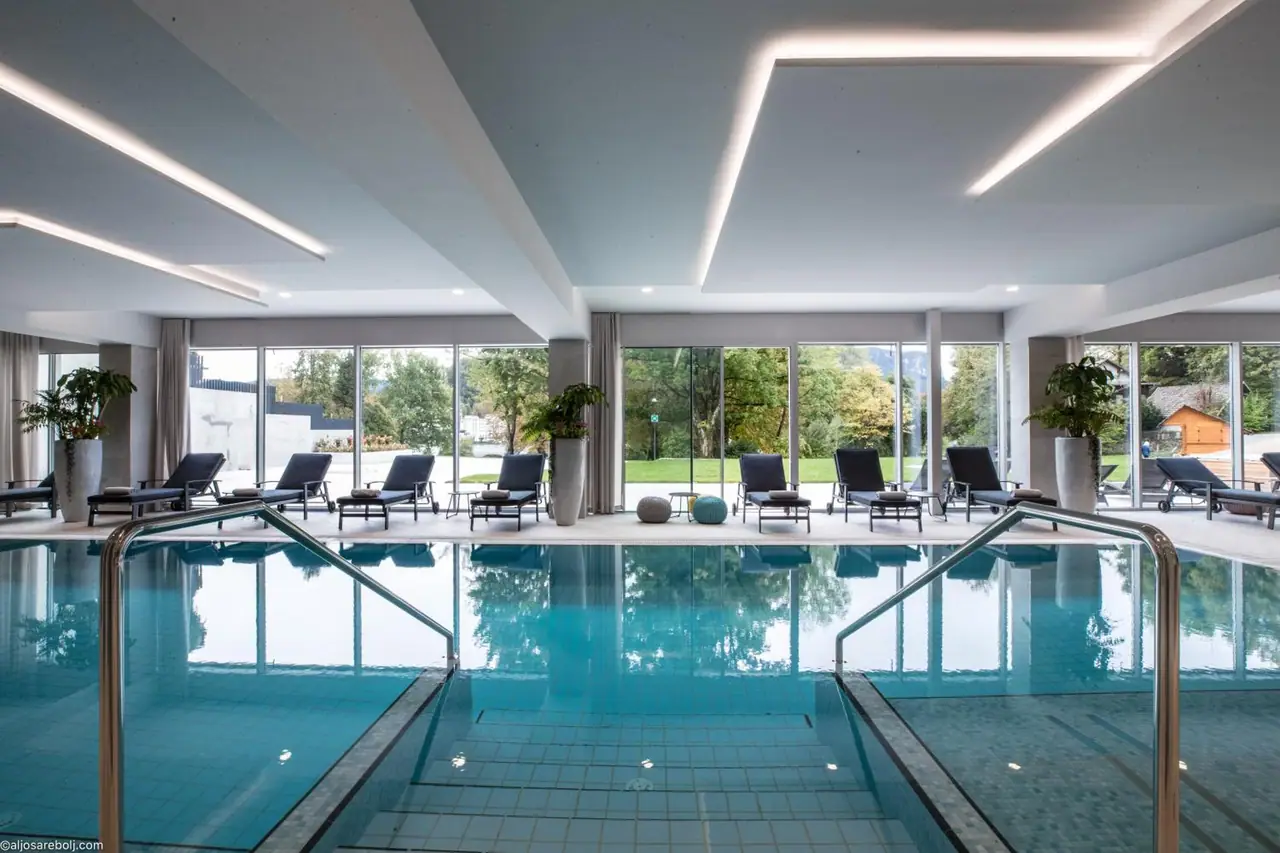
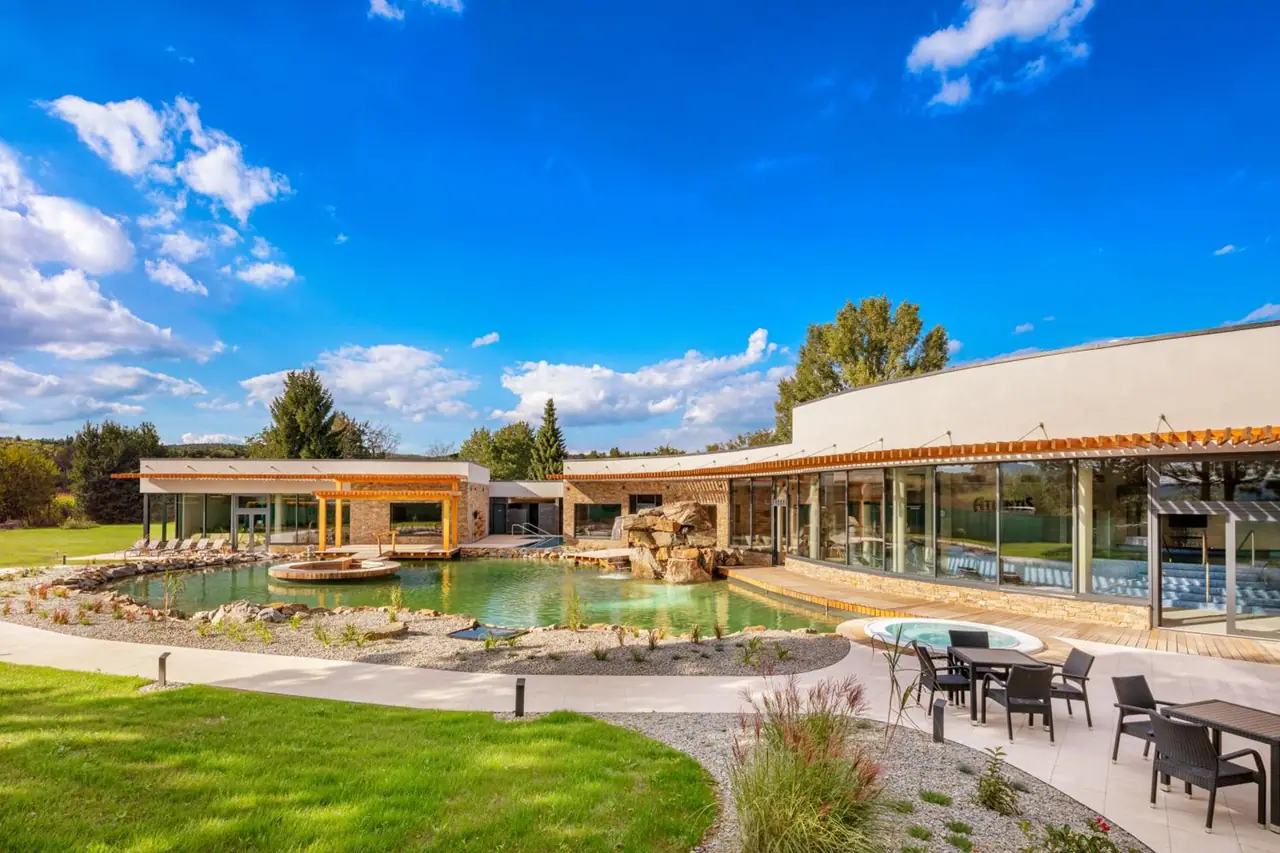
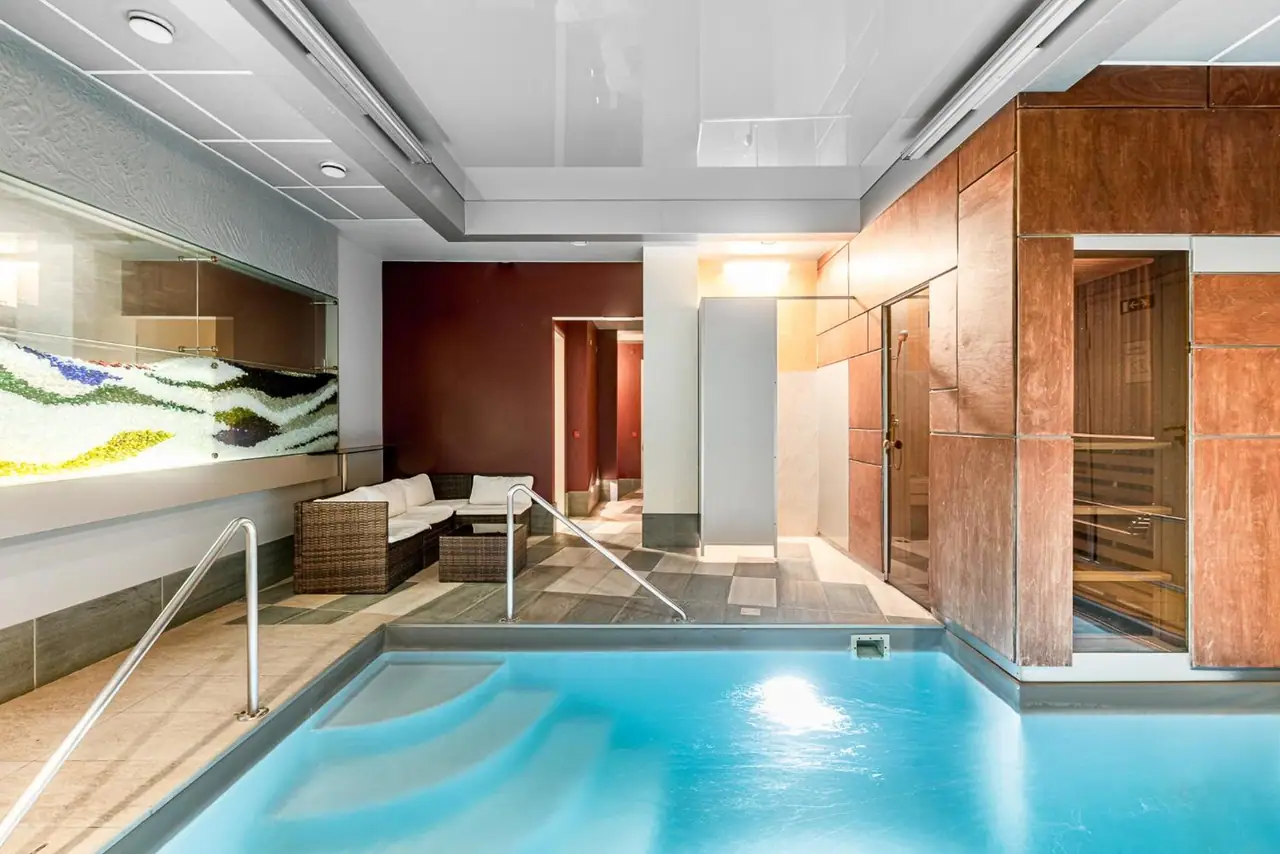
An indoor pool is useful on cooler or breezier days, and it can be a welcome option after sightseeing. In many European hotels, indoor pools are part of a wellness area, so access may depend on age limits, swim caps, reservation slots or extra charges. Do not assume that every indoor pool is included all day for all guests.
Children’s pools, splash zones and slides
Families often need more than one pool. A shallow children’s pool lets younger children play safely under supervision, while a splash zone gives them fountains, small slides and tipping buckets without the depth of a main pool. Hotels with family pool areas usually place them near toilets, snack bars and shaded seating.
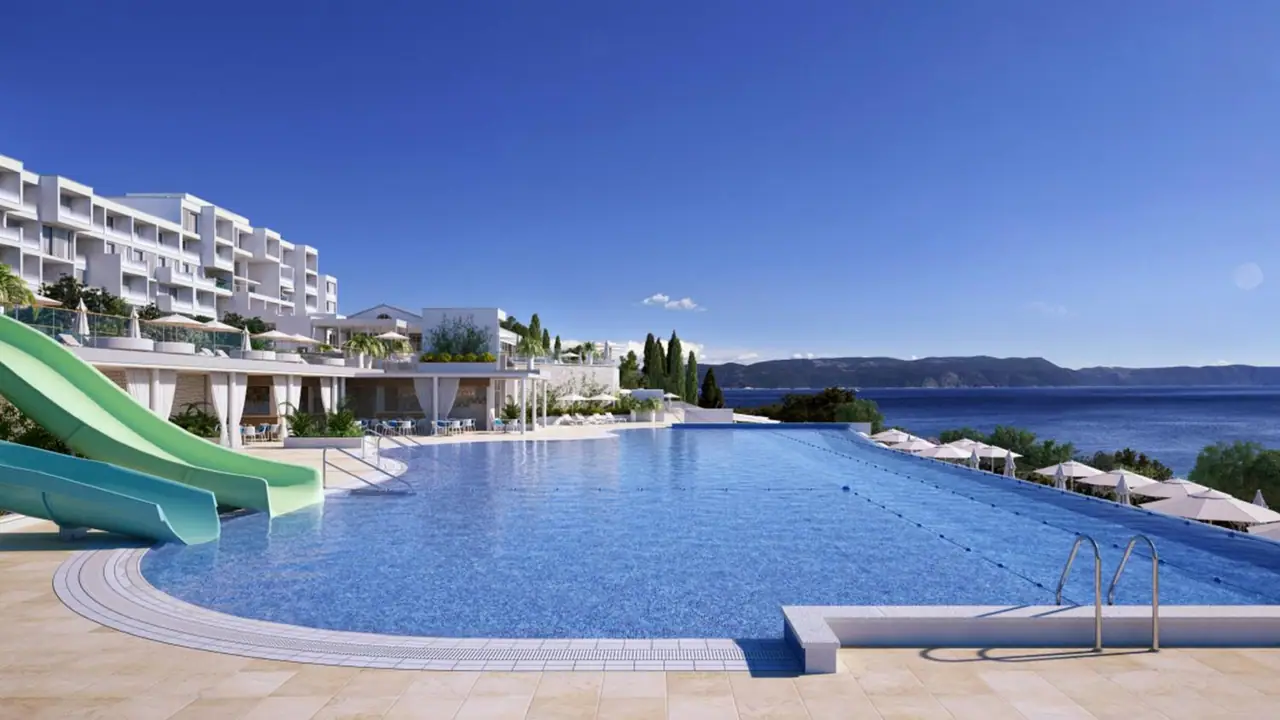
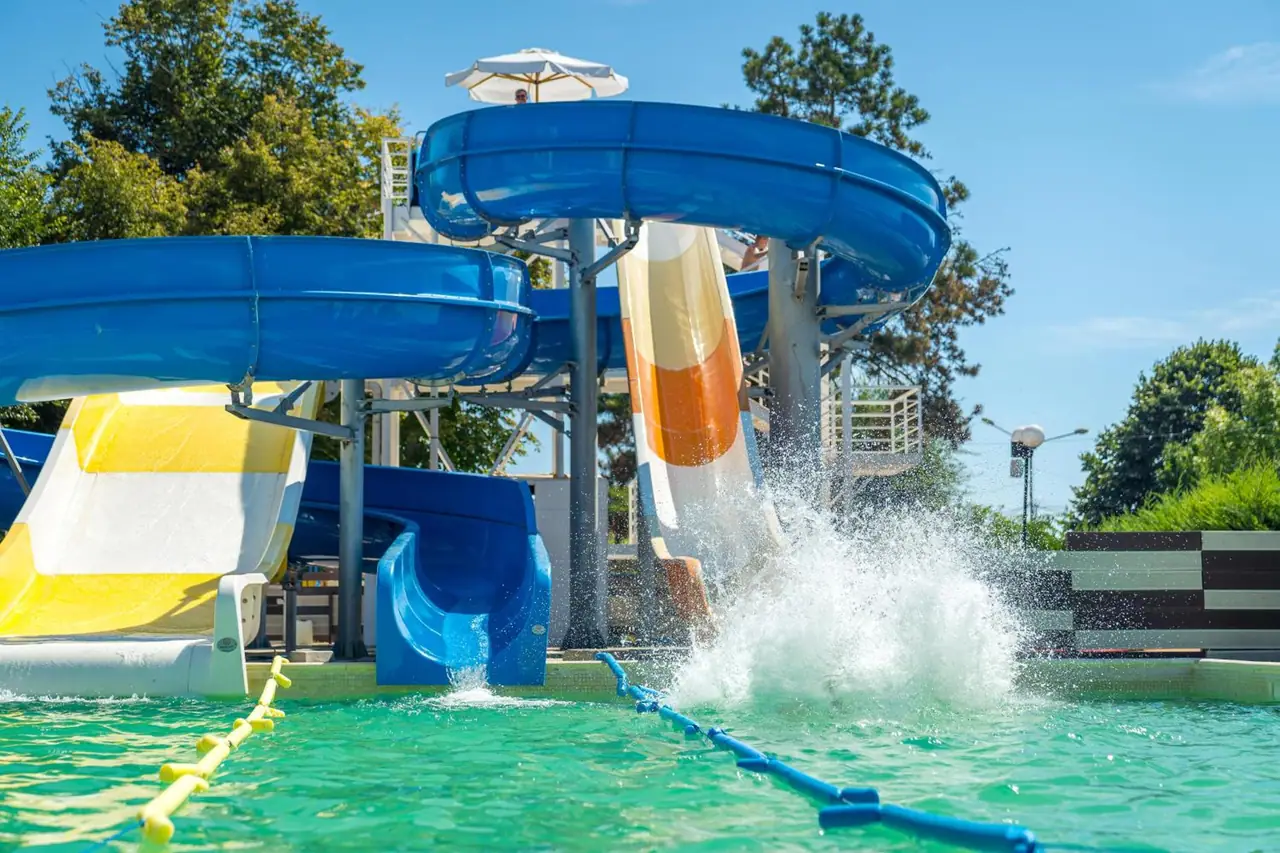
Water slides can be a major draw, but they come with rules. Height limits, swim ability, opening hours and lifeguard presence vary by hotel. Larger slides may operate for set sessions rather than all day, particularly outside high season. If slides are important to your children, check current hotel information rather than relying only on older photos.
Parents should also look at how close the children’s pool is to deeper water. Some hotels keep family pools separate, which reduces noise around adult areas and makes supervision easier. Others place the children’s pool beside the main pool, which can be sociable but may feel busier at peak times.
Adults-only, infinity and quieter pools for couples
Couples and adults travelling without children may prefer hotels with an adults-only pool or a quieter pool zone. These areas usually focus on loungers, calm music and drinks service rather than games and entertainment. Age rules differ, so check whether the adults-only pool is limited to over 16s, over 18s or another age group.
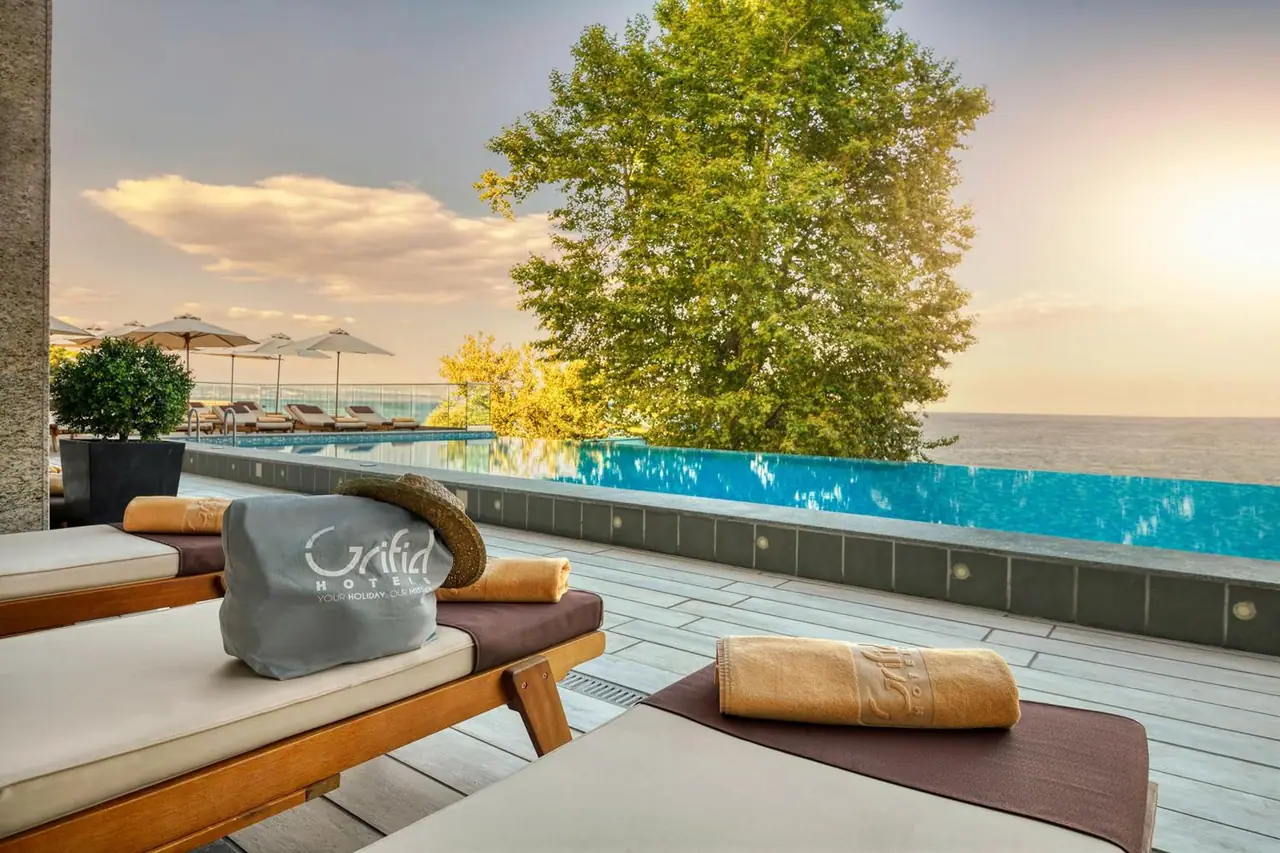
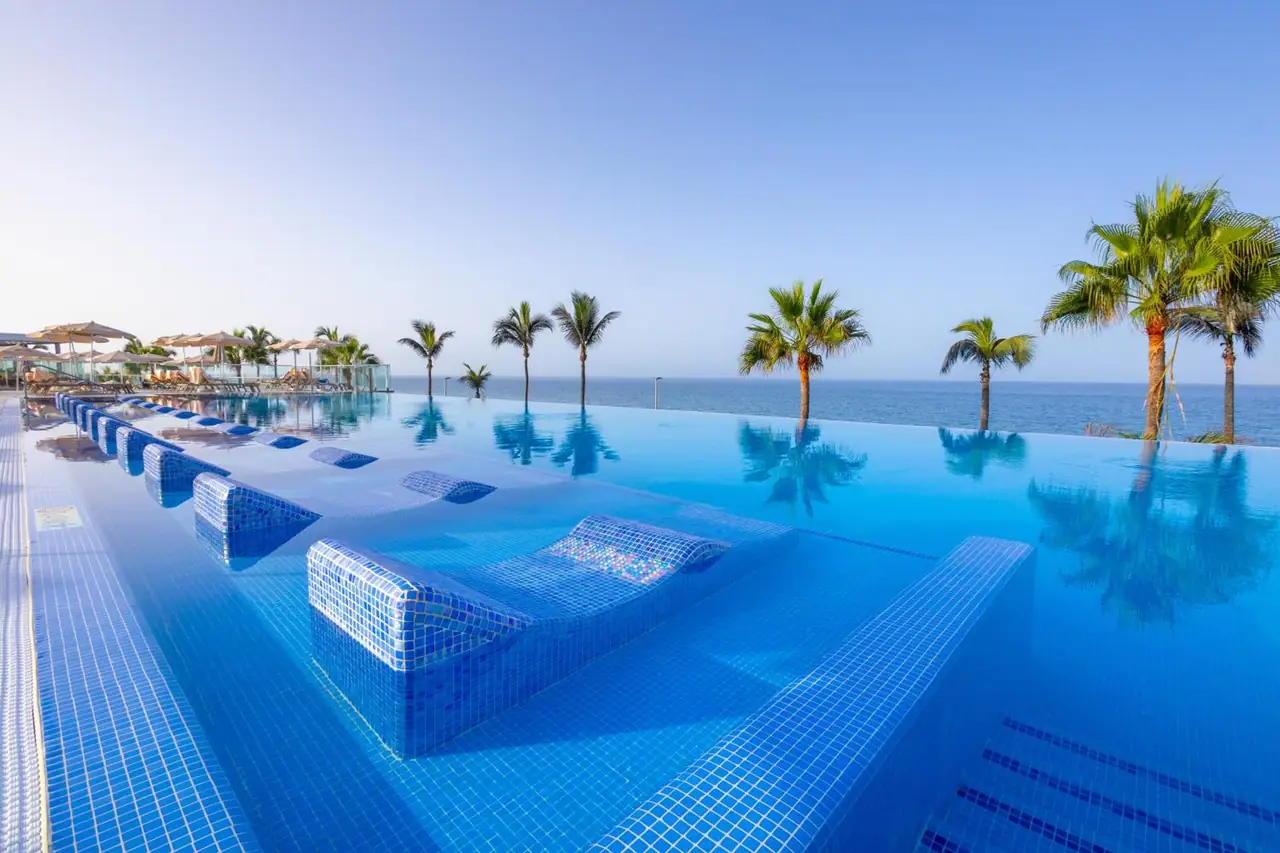
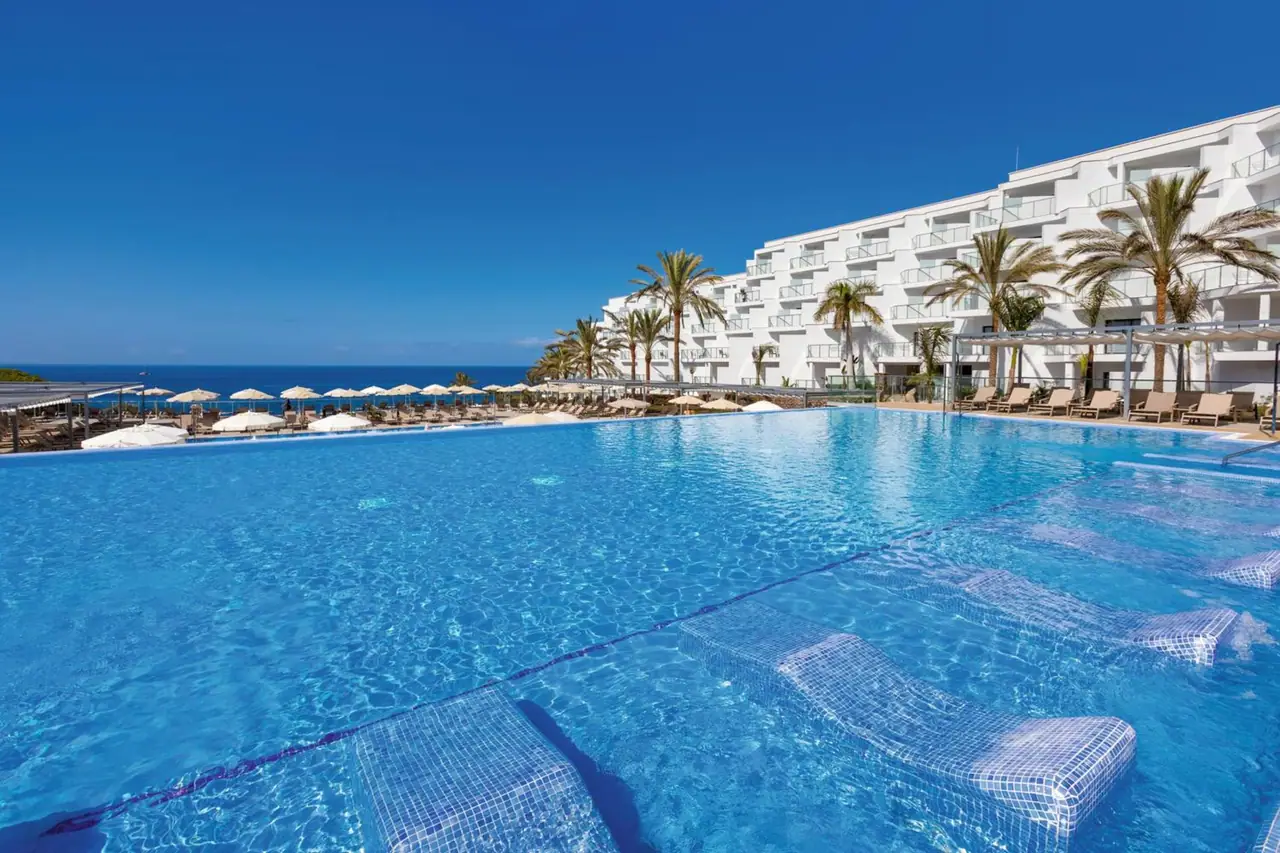
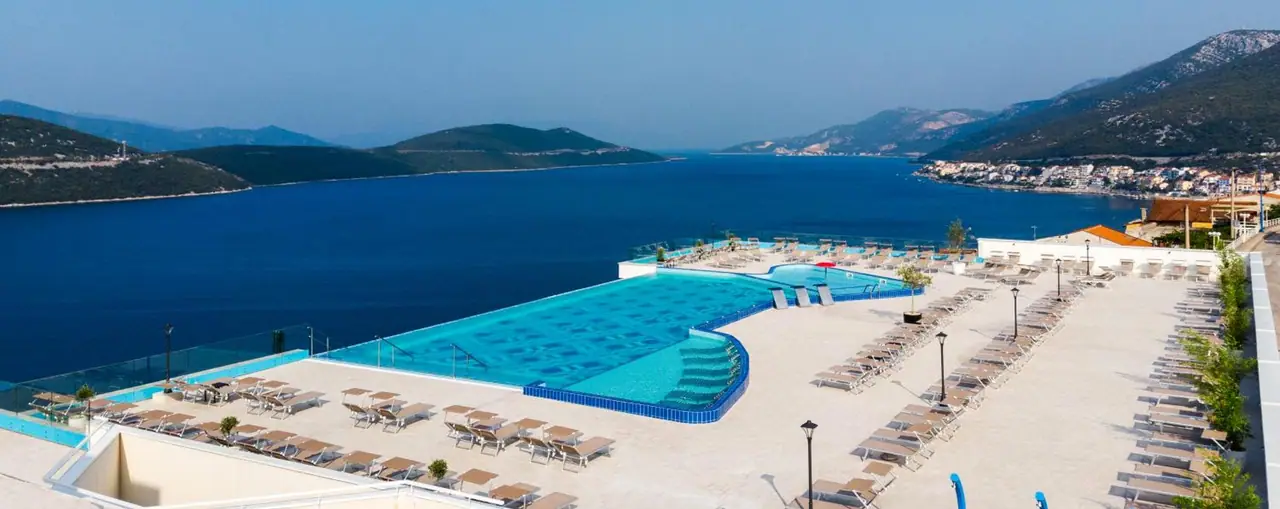
Infinity pools are often positioned to make the most of sea views, hillside settings or sunsets. They are popular in Greece, Turkey, Cyprus and the Canary Islands, where resorts may be built on slopes or close to cliffs. The setting can be very attractive, but you should still check practical points such as pool size, access steps and whether the area is open to all guests.
Some hotels reserve certain pools for guests staying in upgraded room categories or club areas. That can be fine if clearly explained, but it is frustrating if you arrive expecting access to every pool in the photos. Read the room and facility notes closely if a quiet or adults-only pool is one of your reasons for booking.
Swim-up bars and poolside dining
A swim-up bar adds convenience, especially in warmer destinations where you may not want to leave the water for a drink. They are common in larger resort hotels in Turkey, Cyprus, Spain and Greece. Some are lively with music and group activities, while others are more relaxed and suited to a slow afternoon.
All-inclusive does not always mean every drink at a swim-up bar is included. Local beers, soft drinks, basic cocktails and house wines may be part of the package, while premium spirits, bottled drinks and speciality cocktails may cost extra. Opening hours can also be shorter than the main bar, particularly in low season.
Poolside snack bars are useful if you plan long days by the water. They may offer sandwiches, salads, pizza, fruit, ice cream or simple hot dishes, depending on the hotel. If you have dietary requirements, look for clear information on vegetarian, gluten-free or allergen support, because poolside options can be more limited than the main restaurant.
Turkey and Cyprus for pool-focused resort holidays
Turkey is one of Europe’s strongest choices for large all-inclusive resorts with extensive pool areas. Coastal regions such as Antalya, Side, Belek, Bodrum and Marmaris offer hotels with main pools, children’s areas, slides and spa facilities. Many resorts are designed for guests who want to stay on site for much of the holiday.
Turkey’s long warm season helps if you want pool time from late spring into autumn, although water temperature still depends on heating and weather. Larger Turkish resorts may also have aqua parks or separate activity pools, which suits families and groups. Couples can look for hotels with adult zones or quieter pools away from entertainment.
Cyprus is another strong option, particularly around Paphos, Protaras, Ayia Napa and Limassol. Summers are hot and dry, so pools get heavy use. In spring and autumn, a heated pool is worth checking because sea breezes and cooler evenings can make unheated water less appealing.
Spain and the Canary Islands for varied pool holidays
Mainland Spain and the Balearic Islands give you a broad choice of all-inclusive hotels with pool facilities. The Costa del Sol, Costa Blanca, Costa Brava, Majorca, Menorca and Ibiza all have resorts where the pool is a central part of the stay. Family hotels often include splash areas, while adult-focused hotels may offer rooftop or quieter pools.
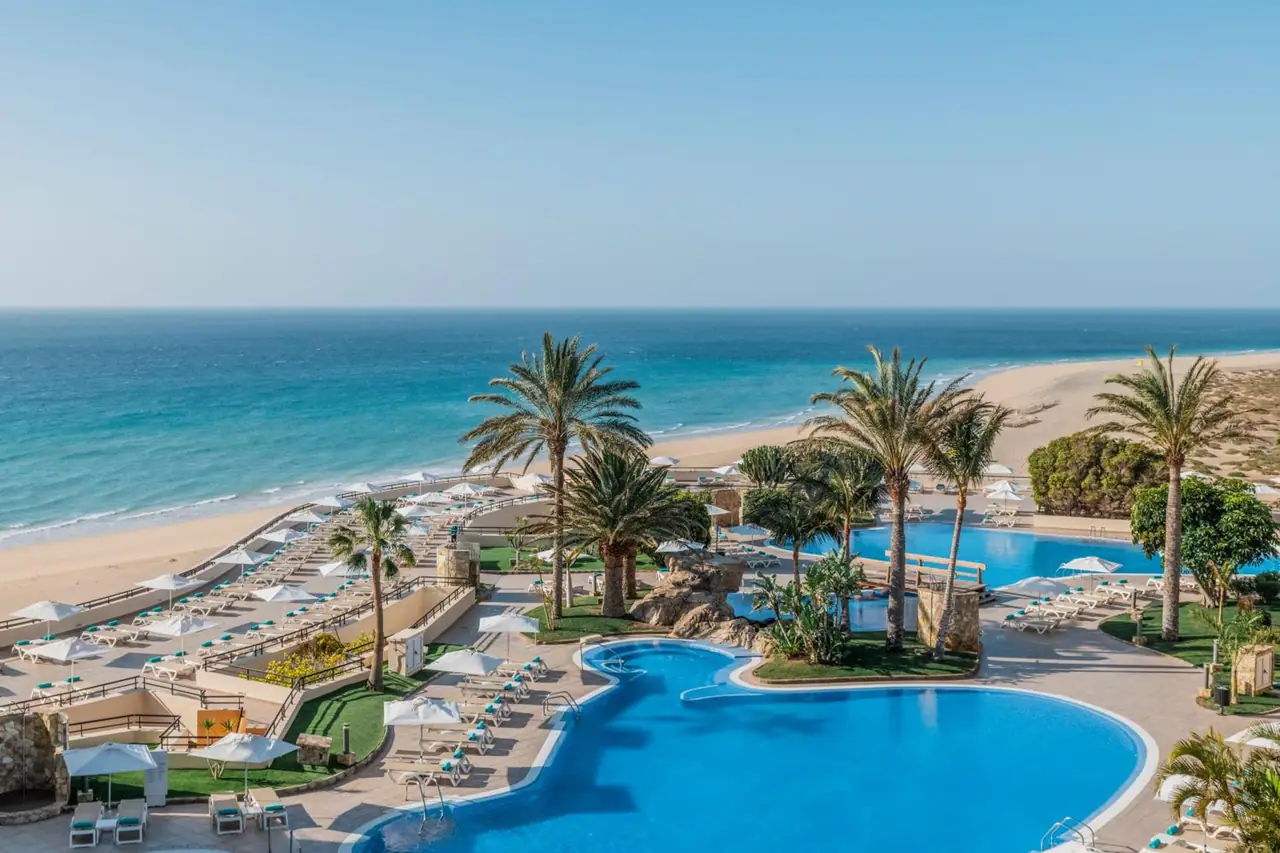
The Canary Islands are especially useful if you want pool time outside high summer. Tenerife, Gran Canaria, Lanzarote and Fuerteventura have mild winter weather compared with much of Europe, though evenings can be cooler and wind can affect how warm you feel after swimming. Heated pools are a valuable feature there, particularly from November to March.
In Spain, check whether pools are seasonal. Some hotels close outdoor pools in winter, even in destinations with pleasant daytime temperatures. If you are booking for Easter, October half term or winter sun, look for exact opening dates and confirmation that at least one pool will be available.
Greece and Portugal for scenic pool settings
Greece offers a wide range of pool holidays, from island resorts with sea views to family-friendly hotels close to beaches. Crete, Rhodes, Kos, Corfu and Halkidiki are common choices for all-inclusive stays. Many Greek hotels make the most of outdoor living, so pool terraces, open-air bars and shaded dining areas can be part of the appeal.
The Greek season is strongest from late spring to early autumn. In April, early May and late October, unheated pools can feel cool, even when the sun is out. If you are travelling at the edges of the season, prioritise heated pools or an indoor pool, particularly if swimming is important to you.
Portugal is a good match if you want a mix of pool time, beaches and day trips. The Algarve is the main all-inclusive area, with hotels offering outdoor pools, children’s sections and sometimes indoor facilities. Madeira can also suit travellers who like year-round greenery and hotel pools, though you should still check heating and access rules outside summer.
Pool rules, towels and sunbed etiquette
Pool rules are there for safety and comfort, and they vary more than many travellers expect. Common rules cover diving, inflatables, glassware, food, smoking, ball games and children’s supervision. Some pools require swim nappies for toddlers, while spa or indoor pools may require swim caps or ban large floats.
Towel systems differ by hotel. You may receive towel cards at check-in, exchange them at a pool desk, and return them before departure. Some hotels charge a deposit for pool towels or a fee for extra changes during the day. Keep track of cards and towels, because lost items can lead to charges.
Sunbed availability is one of the most common poolside frustrations. In busy school holiday periods, popular spots near the main pool may be taken early. Many hotels have rules against reserving loungers for long periods without using them, but enforcement varies. If this matters to you, read recent reviews from the same season you plan to travel.
Good etiquette helps everyone. Use only the loungers you need, remove towels when you leave for lunch or the room, and keep music to headphones unless the hotel allows speakers. If you need shade for a baby, older relative or medical reason, ask staff where the best shaded pool areas are rather than moving heavy furniture yourself.
What is included and what may cost extra
In an all-inclusive hotel, pool access is usually included for resident guests, but extra services around the pool may not be. Drinks, snacks and ice cream depend on the hotel’s package. Imported alcohol, freshly squeezed juice, branded coffee, waiter service to your lounger and late-night pool bar drinks may carry a charge.
Wellness facilities linked to indoor pools can also be restricted. Saunas, steam rooms, whirlpools, spa pools, private cabanas and massage areas are often outside the standard all-inclusive plan. Some hotels include one visit to a spa area, while others charge each time. Families should check age rules, as children may not be allowed in certain indoor or thermal areas.
Activities vary too. Aqua aerobics, water polo and simple pool games are often included, while diving lessons, motorised water sports, swimming lessons or private coaching may cost extra. If the hotel advertises an aqua park, check whether access is unlimited, seasonal, age-limited or shared with outside visitors.
How allinclusive.eu helps you compare pool hotels
Booking via allinclusive.eu gives you a good overview because you can compare all-inclusive holidays with pool facilities in one place. Instead of looking at each hotel in isolation, you can weigh up destination, board basis, family features, adults-only areas and seasonal information together. That makes it easier to see which hotels match your priorities.
Use the overview to narrow your choice before you read the finer details. If you need a heated pool in October, a children’s splash area, or a quieter adults-only pool, you can focus on hotels that are more likely to fit. Then check the hotel description, recent guest feedback and booking conditions before you decide.
It also helps to compare destinations side by side. Turkey may suit you if you want a large resort with many pools and slides. The Canary Islands may suit you outside summer if pool heating is available. Greece, Cyprus, Spain and Portugal each offer different balances of beach access, resort size and seasonal warmth.
Before booking, ask specific questions. Which pools will be open during your dates? Are any pools heated, and in which months? Are swim-up bars and pool snacks included? Are there age limits for adults-only or indoor pools? Are pool towels free, and how does the sunbed policy work? Clear answers reduce surprises when you arrive.
FAQ about all-inclusive hotels in Europe with great swimming pools
Are heated pools common in European all-inclusive hotels?
They are available, but not guaranteed. Heated pools are more common in hotels that welcome guests outside high summer, including parts of Spain, the Canary Islands, Portugal and some larger resort hotels. Always check which pool is heated and during which months.
Is an indoor pool usually included in an all-inclusive stay?
Sometimes, but not always. Indoor pools may be part of a spa or wellness centre with age limits, set sessions or extra charges. Read the hotel’s facility notes carefully, especially if you are travelling with children or visiting in cooler months.
Which European destinations are best for pool holidays?
Turkey, Spain, Greece, Cyprus, Portugal and the Canary Islands are all strong choices. Turkey is known for large resort pools, the Canary Islands for mild weather outside summer, and Greece and Cyprus for outdoor pool settings during the main season.
Do all-inclusive hotels include swim-up bar drinks?
Basic drinks are often included, but premium brands, bottled drinks and speciality cocktails may cost extra. Opening hours can also be limited. Check the all-inclusive drinks list if the swim-up bar is an important part of your holiday.
How can I avoid problems with sunbeds?
Travel outside the busiest school holiday weeks if you can, and read recent reviews for comments on loungers. Choose hotels with several pool areas or spacious terraces, and follow the hotel’s rules on not reserving sunbeds for long periods.
Are infinity pools suitable for families?
Some are, but many are designed for adults or older children and may have depth, edge or access rules. If you are travelling with young children, look for a separate children’s pool or splash area as well as any infinity pool.
What should I check before booking a pool-focused hotel?
Check pool opening dates, heating, depth, children’s areas, slides, towel policies, sunbed rules, bar opening hours and any extra charges. Also confirm whether every pool in the photos is available to guests in your room category.
Are pool slides open all day in all-inclusive hotels?
Not always. Many hotels operate slides during set hours with lifeguard supervision, and rules may depend on height, age and weather. If slides are a key reason for booking, confirm the schedule for your travel dates.